Hey there, fellow food explorers! Have you ever found yourself yearning for a culinary adventure that takes you far beyond your everyday menu? I certainly have, and that’s exactly what happened when I first stumbled upon the incredible world of traditional Khmer cuisine.
It’s a tapestry of flavors, aromas, and stories, far too often overshadowed by its more famous neighbors, but trust me, it’s an absolute treasure waiting to be discovered.
I remember my first trip to Cambodia, tasting these vibrant dishes, and just being completely blown away by the delicate balance of sweet, sour, salty, and spicy, often with that unique herbaceous touch that just brightens everything up.
It’s not just about eating; it’s about understanding a rich culture through its food, and there’s a wonderful trend lately of people really digging deep into authentic, regional recipes, moving beyond the usual suspects.
This isn’t just a fleeting fad; it’s a genuine appreciation for heritage and the stories told through generations of cooking. From the creamy, aromatic Amok to the refreshing Nhoam salads, these recipes are a testament to the incredible ingenuity and heart found in Cambodian kitchens.
If you’re looking to truly broaden your culinary horizons and bring some truly unique, soul-satisfying dishes to your own table, you’re in for a treat.
I’ve personally experimented with countless variations, and what I’ve learned is that with a little patience and the right guidance, anyone can recreate these masterpieces.
Let’s delve into these incredible recipes and discover the magic together.
Unlocking the Secret Garden of Khmer Flavors
Have you ever tried a dish that just makes your taste buds sing a whole new song? That’s exactly what happened to me when I first truly delved into Cambodian cuisine.
It’s like stepping into a secret garden where every aroma and every taste tells a story, and frankly, it’s a story that’s far too often overlooked. While its neighbors often hog the culinary spotlight, Khmer food offers a delicate yet profound complexity that’s utterly captivating.
I remember my first bite of a true Kampot pepper dish – that peppery warmth, not just heat, but a deep, earthy spice that lingered beautifully. It made me realize that there’s so much more to discover beyond what often makes it onto Western menus.
This isn’t just about food; it’s about a culinary philosophy, a balance of elements that results in dishes that are both comforting and exciting. I’ve spent countless hours experimenting, trying to decode the magic, and what I’ve found is a beautiful interplay of fresh herbs, earthy spices, and a unique approach to sweetness and sourness that makes Cambodian cooking truly stand out.
It’s less about aggressive flavors and more about a harmonious blend, allowing each ingredient to shine without overpowering the others.
The Subtle Art of Khmer Seasoning
One of the first things I noticed about traditional Khmer dishes is their incredibly nuanced approach to seasoning. Forget everything you think you know about bold and in-your-face flavors; here, it’s all about a gentle build-up and a perfect balance.
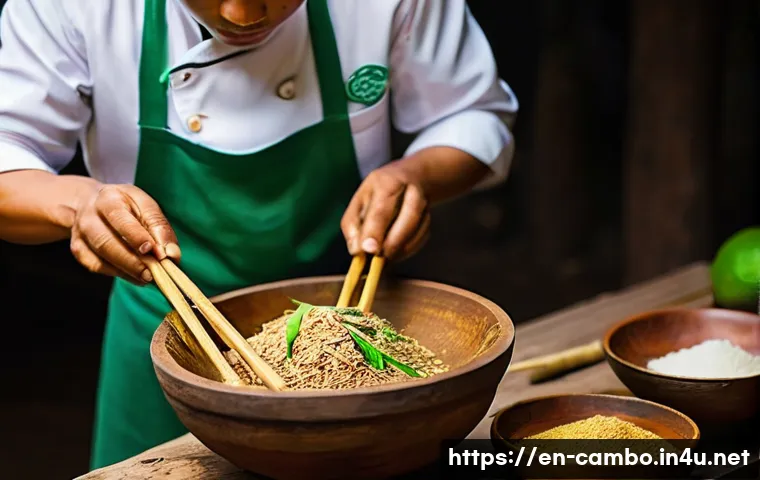
You’ll find a lot of fresh aromatics like lemongrass, galangal, kaffir lime leaves, and garlic, often pounded into a vibrant paste called kroeung. This isn’t just an ingredient; it’s the very soul of many Cambodian dishes, providing a foundation of flavor that’s both fragrant and savory.
I remember watching a local chef meticulously grind these spices by hand, and the aroma alone was intoxicating. It really hit me then how much love and tradition goes into every single preparation.
This meticulous attention to detail is what gives Khmer food its unique character.
Embracing Sweet, Sour, Salty, and Spicy Harmony
What I absolutely adore about Cambodian cuisine is its masterful play on the four fundamental tastes: sweet, sour, salty, and spicy. It’s not about making one dominant, but rather about creating a beautiful equilibrium where each taste complements and enhances the others.
You might get a hint of palm sugar for sweetness, a zing from tamarind or lime for sourness, the deep umami of fish sauce for saltiness, and a gentle warmth from chilies or Kampot pepper.
I’ve found that this balance is key to achieving that authentic Khmer taste. When you hit that sweet spot, the flavors dance on your tongue in a way that’s both refreshing and deeply satisfying.
It’s a testament to centuries of culinary wisdom, and it’s something I always strive for in my own kitchen experiments.
Beyond the Basics: Mastering Essential Cambodian Techniques
When I first started diving into Khmer cooking, I quickly realized it wasn’t just about the ingredients, but how they were prepared. There are certain techniques that are fundamental to achieving that authentic taste and texture, and honestly, they’re not as intimidating as they might seem.
It’s more about understanding the philosophy behind the cooking than mastering incredibly complex maneuvers. I’ve spent time in Cambodian kitchens, both virtually and in person, observing how these dishes come to life, and what I’ve learned is that patience and a little bit of intuition go a long way.
From the slow, gentle simmering of a curry to the quick stir-frying of fresh vegetables, each method serves a purpose in building layers of flavor. It’s truly a journey of discovery, and every time I master a new technique, I feel a deeper connection to the culture.
The Art of Making Kroeung
If there’s one technique you absolutely *must* learn for Khmer cooking, it’s making kroeung. This aromatic paste is the backbone of so many incredible dishes, from Amok to various stir-fries and soups.
It typically involves pounding lemongrass, galangal, turmeric, kaffir lime zest, garlic, and shallots together in a mortar and pestle until they form a smooth, fragrant paste.
I remember my arms aching the first few times I made it by hand, but the aroma that fills your kitchen is so incredibly rewarding, it’s worth every bit of effort.
The fresh, vibrant flavors you get from a homemade kroeung simply cannot be replicated by store-bought alternatives. Trust me, once you’ve experienced the difference, you’ll never go back.
It’s truly a game-changer for authentic Cambodian flavors.
The Gentle Simmer for Richness
Unlike some cuisines that rely on quick, high-heat cooking, many traditional Khmer dishes, especially their curries and stews, benefit immensely from a slow, gentle simmer.
This technique allows the flavors to meld and deepen over time, creating a richness and complexity that can’t be rushed. Think of dishes like Amok, where the fish gently cooks in a fragrant coconut milk curry, or a Samlor Kako, a hearty vegetable and herb stew.
I’ve learned that trying to speed this process up just doesn’t yield the same results. It’s a lesson in patience, really. The gentle heat allows the kroeung to infuse every component, the proteins to become incredibly tender, and the vegetables to absorb all that wonderful liquid without losing their integrity.
It’s a meditative process, and the reward is always a deeply flavorful, comforting meal.
The Heart of the Khmer Kitchen: Staple Ingredients You Need
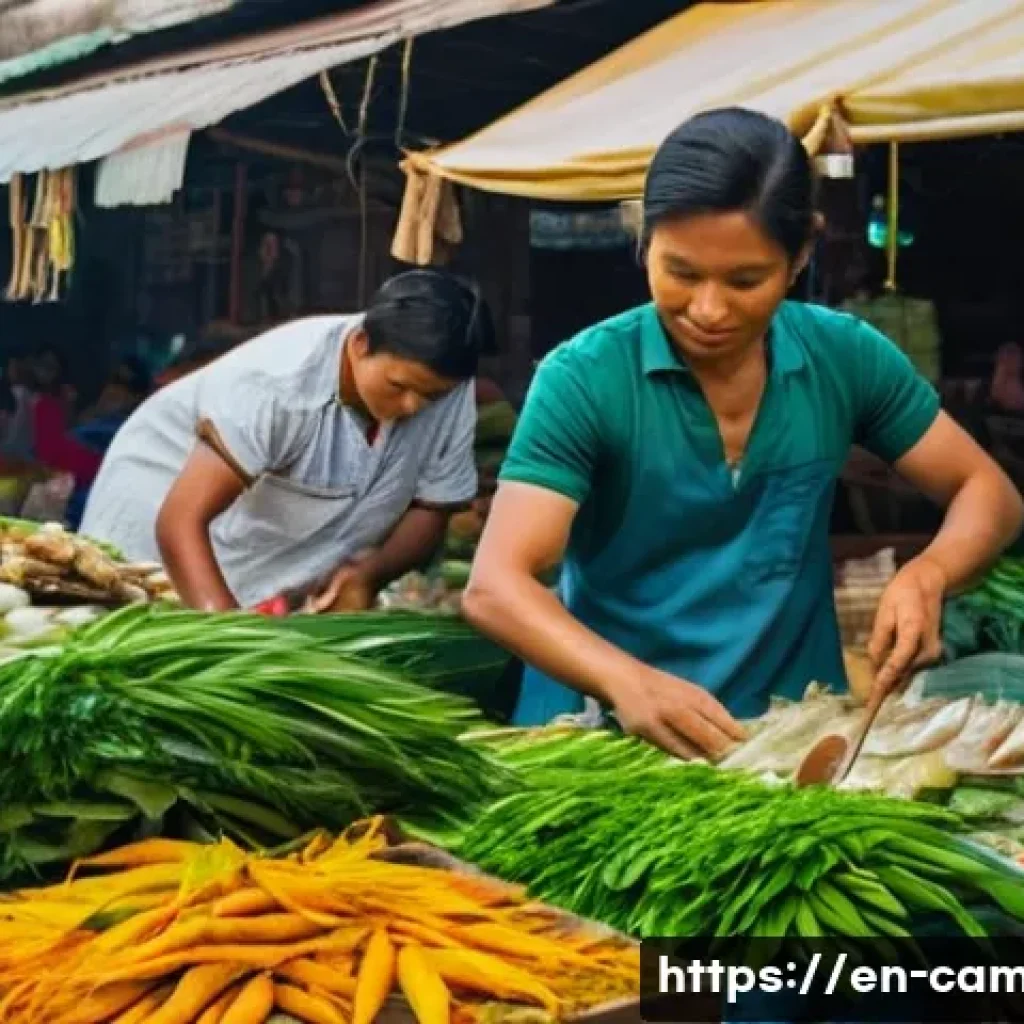
Walking through a Cambodian market is an assault on the senses in the most wonderful way possible – vibrant colors, intoxicating aromas, and an abundance of fresh, often unfamiliar, ingredients.
To truly capture the essence of Khmer cuisine in your own kitchen, you’ll need to stock up on a few key staples. These aren’t just random items; they’re the building blocks, the flavor powerhouses that give Cambodian food its distinctive character.
I remember feeling a bit overwhelmed on my first market visit, but quickly realized that a handful of core items would unlock a world of culinary possibilities.
It’s not about finding obscure, impossible-to-get ingredients, but rather focusing on a few foundational elements that are now thankfully much easier to source in most well-stocked Asian markets, or even online.
Essential Aromatics: The Kroeung Crew
I’ve already touched on kroeung, but it’s worth reiterating the absolute necessity of its core components. Lemongrass, galangal, kaffir lime leaves (or zest), and fresh turmeric are non-negotiable.
These aren’t just for flavor; they lend incredible fragrance and often beautiful color to your dishes. I’ve found that having these on hand, either fresh or frozen, makes all the difference when I decide to whip up a Cambodian meal.
They’re relatively shelf-stable or freeze well, so I always make sure my pantry (and freezer!) is stocked. The vibrant, citrusy notes of lemongrass, the gingery kick of galangal, and the unique perfume of kaffir lime leaves are what truly define many Cambodian flavor profiles.
Don’t skip these!
Fish Sauce and Palm Sugar: The Dynamic Duo
If kroeung is the soul, then fish sauce and palm sugar are the heart and mind, providing that quintessential balance of salty and sweet that defines much of Khmer cooking.
Good quality fish sauce is essential; it adds a deep umami and savory punch without making the dish taste “fishy.” As for palm sugar, it offers a more mellow, caramel-like sweetness compared to granulated sugar, and it rounds out the flavors beautifully.
I always have a good bottle of fish sauce (look for one with a high percentage of anchovy extract) and a block of palm sugar in my pantry. These two ingredients are so versatile and fundamental that I use them in almost every Cambodian dish I prepare.
Bringing Cambodia Home: Adapting Recipes for Your Kitchen
One of the most exciting parts of exploring international cuisine for me is the challenge and joy of recreating those authentic flavors in my own home kitchen.
It’s not always about perfectly replicating every single aspect, especially when you’re dealing with ingredients that might be hard to find or techniques that require specialized equipment.
Instead, it’s about understanding the core essence of the dish and finding clever ways to achieve a similar, delicious result with what you have available.
I’ve spent years experimenting, making mistakes (oh, so many!), and learning how to adapt these incredible Khmer recipes so that anyone, anywhere, can enjoy them.
It’s about celebrating the spirit of the food, even if you’re using a slightly different cut of meat or a milder chili.
Ingredient Swaps That Work
Let’s be real: sometimes finding every single traditional Cambodian ingredient can be a bit of a treasure hunt, especially if you don’t live near a large Asian market.
But don’t let that stop you! I’ve found some fantastic ingredient swaps that still yield delicious results. For example, if galangal is hard to find, a combination of fresh ginger and a tiny bit of lime zest can offer a reasonable approximation.
Can’t find fresh turmeric? Ground turmeric works in a pinch, though you’ll miss some of that fresh earthiness. For kaffir lime leaves, a strip of lime zest can provide a similar aromatic lift.
My best advice? Don’t stress too much. Start with the most accessible core ingredients like good fish sauce and palm sugar, and then slowly expand your pantry as you get more comfortable.
Simplifying Techniques for the Home Cook
While traditional Cambodian cooking often involves a mortar and pestle for grinding kroeung, a food processor can be a fantastic time-saver for busy home cooks.
While the texture might be slightly different, the flavor profile will still be wonderfully complex. Similarly, if you don’t have a traditional clay pot for cooking Amok, a steaming basket or even a gentle simmer on the stovetop can work perfectly well.
I always encourage people to start simple and build confidence. The goal is to enjoy the process and the incredible flavors, not to become a Michelin-starred Khmer chef overnight!
My kitchen isn’t a restaurant, and yours doesn’t have to be either.
A Culinary Journey Through Time: History in Every Bite
Eating traditional Khmer food isn’t just about satisfying hunger; it’s like taking a bite out of history. Each dish tells a story, echoing the influences of ancient empires, trade routes, and the resilience of a people.
When I savor a bowl of Samlor Machu Trey, I’m not just tasting a sour fish soup; I’m experiencing a culinary tradition that has adapted and endured for centuries.
It’s a humbling thought, connecting me to generations of cooks who’ve perfected these recipes. I’ve always been fascinated by how food reflects culture, and in Cambodia, this connection is incredibly strong.
The ingredients, the cooking methods, and even the way meals are shared all speak volumes about the nation’s rich past and its vibrant present. It makes every meal feel like a profound experience, far beyond just sustenance.
Echoes of Angkor: Ancient Culinary Roots
Cambodian cuisine, like its magnificent temples, has ancient roots. Historical records and carvings from the Angkorian period depict scenes of daily life, including food preparation and feasting.
The reliance on rice as a staple, the use of freshwater fish from the Tonle Sap lake, and the incorporation of various herbs and spices are all traditions that date back centuries.
I often wonder what those ancient feasts must have been like, and it makes me appreciate the continuity of these culinary traditions even more. It’s a beautiful thought that the flavors I enjoy today are, in many ways, echoes of what people tasted thousands of years ago.
It’s a powerful connection to history that you can quite literally taste.
Regional Variations and Their Stories
Just like any rich cuisine, Cambodian food isn’t a monolith; it boasts fascinating regional variations, each with its own unique flair and story. For instance, dishes from the coastal areas might feature more seafood and a lighter touch, while those from the landlocked provinces might be heartier, with more meat and root vegetables.
I love exploring these nuances because they offer a glimpse into the local agricultural practices and the specific ingredients available in different parts of the country.
It’s a culinary map, really. Learning about these regional differences makes the entire experience of cooking and eating Khmer food even more enriching, adding layers of understanding to every single dish.
Spice it Up (or Down!): Navigating the Khmer Flavor Spectrum
One of the most common questions I get about Cambodian food is about its spiciness. People often assume that because it’s Southeast Asian, it must be fiery hot.
And while there are certainly dishes with a kick, the overall flavor profile is much more about balance and aroma than just pure heat. What I love is the flexibility; you can absolutely dial the spice up or down to your personal preference without sacrificing the integrity of the dish.
I’ve made adjustments countless times for friends who prefer milder flavors, and they’ve still raved about the taste. It’s all about understanding the role of different spices and how to integrate them thoughtfully.
The Role of Chilies: More Than Just Heat
In Khmer cuisine, chilies are definitely used, but often with a more restrained hand compared to some of its neighbors. They’re there to add a pleasant warmth and a depth of flavor, rather than an overwhelming inferno.
You’ll find fresh red chilies, often sliced or crushed, and sometimes dried chilies too. What I’ve learned is that the type of chili matters. Some offer a fruity heat, others a smoky depth.
And it’s not just about the raw chili; often, the heat comes from a chili paste or a specific type of pepper, like the famous Kampot pepper, which provides a profound, aromatic warmth rather than just simple fire.
Balancing Heat with Coolness and Herbs
The genius of Khmer cuisine is how it balances any heat with an abundance of fresh herbs and cooling elements. Think about the refreshing crunch of cucumber, the vibrant lift of mint and basil, or the soothing creaminess of coconut milk in many curries.
These ingredients aren’t just garnishes; they’re integral parts of the flavor profile, designed to complement and temper the spiciness. I always make sure to have plenty of fresh herbs on hand when I’m cooking Cambodian dishes; they really elevate the experience and provide that wonderful contrast that makes the food so incredibly appealing and balanced.
| Flavor Profile | Key Ingredients | Common Dishes |
|---|---|---|
| Aromatic & Herbal | Lemongrass, Galangal, Kaffir Lime, Turmeric, Garlic, Shallots | Amok Trey (Fish Amok), Samlor Kako (Khmer Stirred Soup) |
| Sour & Savory | Tamarind, Lime, Fish Sauce, Pineapple, Tomatoes | Samlor Machu Trey (Sour Fish Soup), Nhoam Salads |
| Sweet & Mild Spice | Palm Sugar, Coconut Milk, Fresh Chilies (optional), Kampot Pepper | Nom Banh Chok (Khmer Noodle Soup), Saraman Curry |
Pairing Perfection: What to Drink with Your Khmer Feast
You know, a truly great meal isn’t just about the food itself; it’s about the whole experience, and that absolutely includes what you choose to sip alongside your incredible dishes.
When I’m hosting a Cambodian-themed dinner, I always put thought into the beverages, because the right pairing can elevate the entire meal from “delicious” to “unforgettable.” Khmer cuisine, with its intricate balance of sweet, sour, salty, and often subtle heat, offers some fantastic opportunities for drink pairings that really enhance those complex flavors.
It’s not just about quenching your thirst; it’s about complementing the delicate nuances and cleansing your palate between bites.
Refreshing Brews for Balance
For me, nothing beats a crisp, cold beer with many Cambodian dishes. The light carbonation and often subtle bitterness of a good lager or pilsner cut beautifully through the richness of coconut milk-based curries and refresh the palate after a spicy bite.
Local Cambodian beers, like Angkor Beer or Cambodia Beer, are always my first choice because they’re designed to complement the local cuisine perfectly.
But if you can’t find those, a good quality light lager from your local brewery will do the trick just as well. It’s a straightforward pairing that always works, offering that much-needed refreshment.
Non-Alcoholic Sips to Savor
If you’re not into alcoholic beverages, or just want something different, there are equally fantastic non-alcoholic options that pair wonderfully with Khmer food.
Freshly squeezed limeade, often sweetened with a touch of palm sugar, is incredibly refreshing and its tartness really complements the savory and spicy elements of the meal.
I also love brewing a light, unsweetened jasmine or green tea; its delicate flavors cleanse the palate without overpowering the food. And for something a bit more adventurous, try a chilled coconut water – its natural sweetness and electrolytes are a perfect match for a vibrant, flavorful Cambodian spread.
Wrapping Things Up
And there you have it, my friends – a delightful journey through the incredible world of Cambodian cuisine! It’s truly a culinary treasure that, once discovered, will capture your heart and your palate. The balance of flavors, the freshness of the ingredients, and the rich history infused in every dish make it an experience unlike any other. I really hope my insights and experiences have inspired you to roll up your sleeves and try making some of these fantastic dishes yourself, or at the very least, seek out an authentic Khmer restaurant near you. You won’t regret diving into this secret garden of flavors!
Useful Information to Keep in Mind
1. Sourcing Key Ingredients: While many Asian grocery stores now stock common ingredients like fish sauce, palm sugar, lemongrass, and galangal, some specialty items like fresh kaffir lime leaves or specific types of chilies might require a trip to a larger international market or an online specialty store. Don’t be afraid to ask the staff for help – they’re usually a wealth of knowledge!
2. Spice Levels are Customizable: Unlike some of its Southeast Asian neighbors, Cambodian cuisine generally emphasizes aromatic subtlety and balance over overwhelming heat. Most dishes are mild, with chilies often served on the side, allowing you to adjust the spiciness to your personal preference. So, don’t let a fear of heat deter you from exploring!
3. The Heart of the Flavor: Kroeung: Remember our discussion about kroeung, that vibrant herb and spice paste? It’s truly the soul of many Cambodian dishes. Mastering this paste, whether by hand with a mortar and pestle or with a food processor, will unlock a world of authentic Khmer flavors in your kitchen.
4. Don’t Underestimate Fresh Herbs: Fresh herbs like mint, basil, and cilantro aren’t just garnishes in Cambodian cooking; they are integral to the flavor profile, providing freshness, aroma, and a crucial counterpoint to richer ingredients. Always have a good selection on hand to truly elevate your dishes.
5. Dining Etiquette is Communal: When dining in Cambodia, meals are typically served family-style with multiple dishes placed in the center of the table for everyone to share. Food is served as it’s cooked, rather than in specific courses, and traditionally, rice is the staple that accompanies nearly every meal. It’s a wonderful way to experience the culture!
Key Takeaways
Cambodian cuisine, or Khmer cuisine, is a unique and often overlooked culinary gem that deserves your attention. It’s characterized by an intricate balance of sweet, sour, salty, and sometimes bitter flavors, with a focus on harmony rather than a single dominant taste. The foundation of many dishes lies in kroeung, a versatile and aromatic herb paste. Essential ingredients like fresh herbs, fish sauce, and palm sugar are crucial for achieving its distinctive profile. While influenced by its neighbors, Khmer food stands out for its often milder spice levels and emphasis on fresh, local ingredients, particularly freshwater fish and rice. It’s a cuisine rich in history, reflecting ancient traditions and regional variations, and offers a deeply satisfying and comforting experience that can be adapted and enjoyed by home cooks worldwide.
Frequently Asked Questions (FAQ) 📖
Q: What are some must-try traditional Khmer dishes for someone new to the cuisine?
A: Oh, this is such a fantastic question, and one I get all the time! If you’re just dipping your toes into the incredible world of Khmer cuisine, you absolutely have to start with Amok Trey.
It’s often considered the national dish, and for good reason. Imagine perfectly steamed fish – traditionally snakehead, but cod or halibut work wonderfully – bathed in a rich, creamy, and subtly spicy coconut curry.
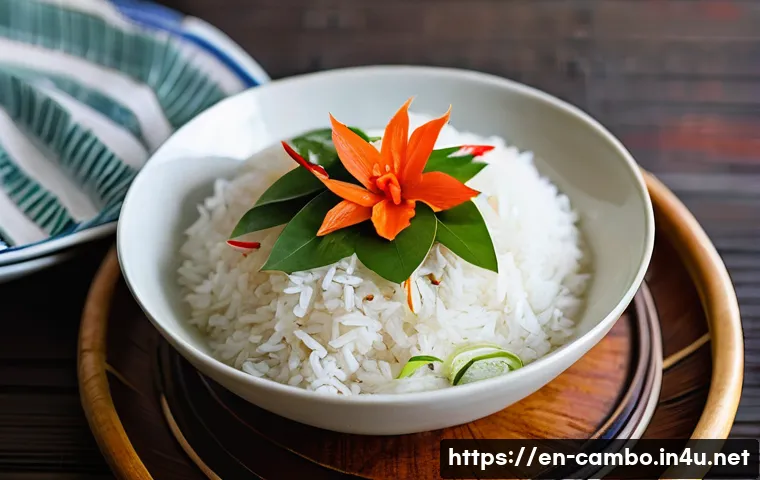
What makes it truly special is the kroeung, a fragrant paste of fresh herbs and spices like lemongrass, galangal, turmeric, and kaffir lime zest. It’s usually served in a banana leaf cup, which adds to the whole experience.
Another absolute gem is Nom Banh Chok, also known as Khmer Noodles. This is a breakfast staple, a refreshing and flavorful rice noodle dish typically topped with a green fish gravy, fresh mint, banana blossom, and other vibrant veggies.
When I first tried it, I was amazed by how light yet incredibly satisfying it was – it’s a symphony of textures and fresh flavors. And for something truly unique and incredibly delicious, don’t miss out on Lok Lak.
It’s usually stir-fried beef (or chicken) marinated in a peppery sauce, served over a bed of lettuce, tomatoes, and cucumber, often with a fried egg and a dipping sauce made of lime juice and black pepper.
It’s simple, yes, but the flavors are just so bold and comforting. I remember enjoying it by the riverside in Phnom Penh, and it instantly became one of my all-time favorites.
These three will give you a beautiful introduction to the heart and soul of Cambodian cooking!
Q: Is Khmer cuisine generally spicy, and how does its flavor profile compare to other Southeast
A: sian foods I might know? A2: That’s a super insightful question, and it really gets to the core of what makes Khmer food so special! Unlike some of its fiery neighbors, Cambodian cuisine isn’t generally overtly spicy in the same way, say, Thai or even some Vietnamese dishes can be.
While chilies are definitely used, they tend to play a supporting role, adding a gentle warmth and depth rather than overwhelming heat. What truly defines Khmer flavors is this incredible balance of sweet, sour, salty, and bitter, often with a pronounced herbaceousness and freshness.
Think less in-your-face heat, and more nuanced aromatics. For example, while Thai food often leans heavily on a strong spicy-sweet-sour punch, and Vietnamese cuisine often showcases a delicate balance of fresh herbs and savory broths with umami, Khmer cooking truly embraces the earthiness of ingredients like galangal, lemongrass, kaffir lime, and turmeric, combined with the subtle funk of prahok (fermented fish paste, used more as a seasoning than a dominant flavor).
I’ve found that it often feels more “rounded” and less aggressive on the palate, allowing the individual ingredients to truly shine. It’s a gentle coaxing of flavor rather than an explosion, and honestly, that’s what I find so captivating about it.
It allows you to really taste the subtle layers in each dish!
Q: What are some key ingredients or cooking techniques that give Khmer dishes their unique taste, and where can I find them?
A: Ah, now you’re asking the secret sauce question! The heart of so many Khmer dishes lies in what’s called ‘kroeung’ – it’s essentially a fresh herb and spice paste, and it’s something I’ve spent countless hours perfecting in my own kitchen.
There are different types, but the basic yellow kroeung usually features lemongrass, galangal, fresh turmeric, kaffir lime zest, garlic, and shallots.
These fresh aromatics are pounded together (traditionally in a mortar and pestle, but a good food processor works wonders!) and form the foundational flavor base for everything from curries to stir-fries.
Prahok, a fermented fish paste, is another incredibly important ingredient. Now, don’t let the smell put you off – it’s used sparingly, much like an umami bomb or a seasoning, and when cooked properly, it adds an amazing depth and savory dimension without being overpowering.
I remember being a bit intimidated by it at first, but once I understood its role, it became indispensable! As for cooking techniques, a lot of Khmer cooking involves slow simmering, like with Amok, allowing the flavors to meld beautifully, or quick stir-frying to maintain the freshness of vegetables and proteins.
Where to find these ingredients? For fresh aromatics like lemongrass, galangal, and kaffir lime leaves, check your local Asian grocery stores, especially those specializing in Southeast Asian produce.
Many larger supermarkets are even starting to carry them now! Prahok can be a bit trickier, but you’ll definitely find it at most well-stocked Asian markets, usually in jars or tubs in the refrigerated section.
Don’t be afraid to ask for help; the staff are often incredibly knowledgeable! Online Asian grocers are also a fantastic resource if you don’t have a good local option.
Experimenting with these core elements is where the real fun begins, and trust me, it’s incredibly rewarding!