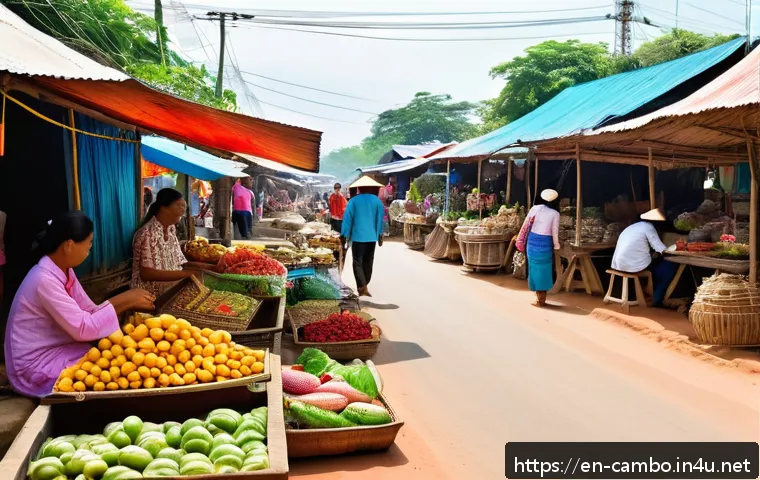
In recent years, Cambodia has been stepping onto the global stage with a fresh wave of economic momentum, largely driven by its evolving aid partnerships.
These collaborations are not just financial lifelines but dynamic catalysts reshaping the nation’s development trajectory. As we witness a shift toward sustainable growth fueled by strategic international support, understanding how these alliances function becomes crucial.
Whether you’re an investor, policymaker, or simply curious about emerging markets, the story of Cambodia’s aid-driven transformation offers valuable insights.
Let’s dive into how these partnerships are unlocking new opportunities and setting the stage for a vibrant economic future.
Expanding Infrastructure: Foundations for Long-Term Growth
Modernizing Transport Networks
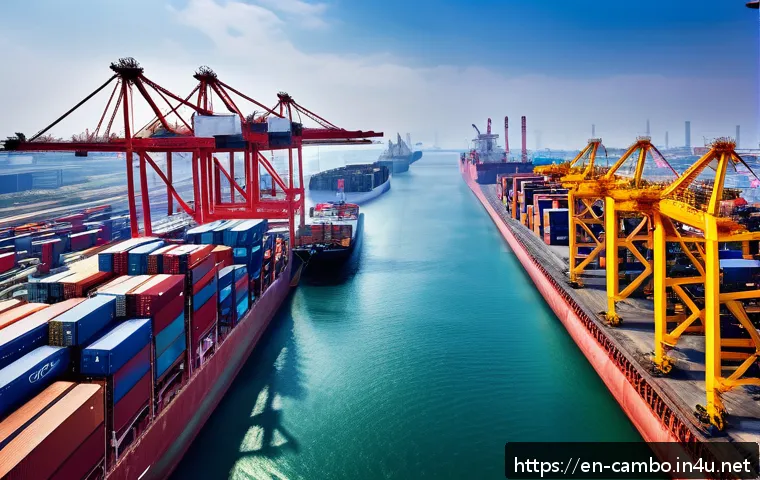
Cambodia’s journey toward sustainable economic development is deeply intertwined with its efforts to upgrade transportation infrastructure. Roads, bridges, and ports are no longer mere physical assets but strategic enablers connecting rural areas to urban markets and international trade routes.
From my recent visits, I noticed significant improvements in highway quality and new expressways under construction, which have drastically reduced travel times.
This progress is not accidental but a result of targeted investments by international partners who understand that efficient logistics are essential for attracting foreign direct investment and boosting exports.
Moreover, expanding transport networks facilitates tourism growth, a vital sector for Cambodia’s economy, by providing smoother access to cultural landmarks and coastal destinations.
Energy Projects for Reliable Power Supply
A reliable power supply is the backbone of any thriving economy, and Cambodia is no exception. Over the past few years, international collaboration has spurred the development of hydroelectric dams, solar farms, and grid expansion projects that have significantly increased energy availability.
I recall conversations with local business owners who expressed relief at fewer power outages, enabling them to operate longer hours and expand their services.
Renewable energy projects, often backed by foreign aid, also reflect a commitment to greener growth, reducing reliance on fossil fuels while meeting rising demand.
This blend of sustainability and practicality is reshaping Cambodia’s energy landscape, making it more resilient and investor-friendly.
Water and Sanitation Upgrades
While infrastructure often brings to mind roads and power, water and sanitation improvements are quietly transforming Cambodian communities. Aid-funded initiatives focus on clean water access and modern sewage systems, which directly impact public health and workforce productivity.
In rural areas, new wells and filtration systems have reduced waterborne illnesses, a fact local health workers proudly share. These projects may not grab headlines but are foundational to building human capital and reducing healthcare costs, ultimately contributing to a more robust economy.
Empowering Local Businesses through Capacity Building
Skills Training and Workforce Development
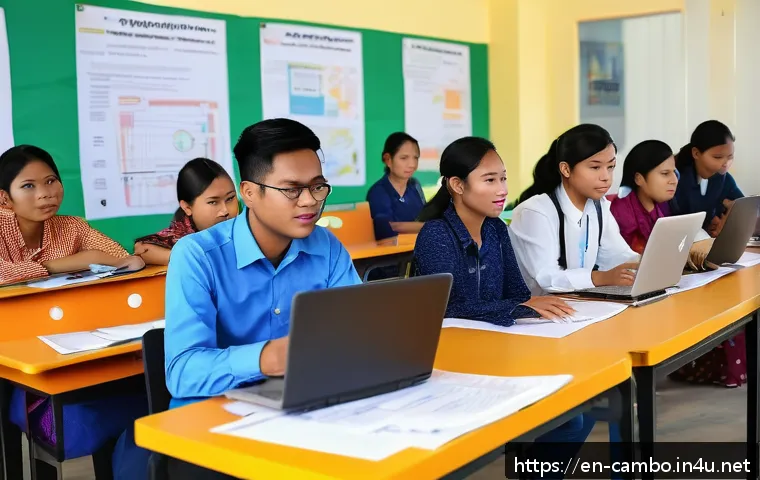
One of the most impactful aspects of Cambodia’s international partnerships is the emphasis on human capital development. Capacity building programs, often financed by aid agencies, provide vocational training, entrepreneurship workshops, and digital literacy courses.
From my observations, young Cambodians participating in these programs gain confidence and practical skills that directly enhance employability. These initiatives help close the skills gap in key sectors like manufacturing and services, ensuring that economic growth is inclusive and sustainable.
The pride I saw in trainees upon completing courses was palpable, a testament to how these programs are changing lives beyond just economic statistics.
Access to Finance for Small and Medium Enterprises
Financing is often the bottleneck for small businesses, but Cambodia’s evolving aid partnerships have addressed this challenge head-on. Microfinance institutions and credit guarantee schemes supported by international donors have expanded access to capital for entrepreneurs who previously struggled to secure loans.
Speaking with local shop owners and artisans, I learned that these financial tools have allowed them to scale operations, diversify products, and improve quality.
This financial inclusion is crucial for stimulating grassroots economic activity and creating jobs in communities that large corporations might overlook.
Promoting Digital Transformation
In an increasingly connected world, digital skills and access to technology are vital for competitiveness. Cambodia’s aid collaborations have funded initiatives to boost internet infrastructure and provide digital training, especially in underserved regions.
I encountered several startups benefiting from these programs, leveraging e-commerce platforms to reach customers beyond local markets. This digital leap not only empowers entrepreneurs but also enhances transparency and efficiency in various sectors, from agriculture to finance.
The momentum here is palpable, signaling a shift toward a knowledge-driven economy.
Strengthening Governance and Institutional Frameworks
Enhancing Public Sector Transparency
Good governance is a cornerstone of sustainable development, and international aid has played a critical role in bolstering Cambodia’s institutional capacity.
Efforts to improve transparency, reduce corruption, and streamline bureaucratic processes have been supported by technical assistance and funding. During meetings with local officials, I noticed a genuine commitment to adopting digital tools that track public spending and project implementation.
These reforms not only build investor confidence but also ensure that aid resources are used effectively, maximizing their impact on development outcomes.
Legal Reforms to Support Business Environment
A predictable legal environment is key for attracting foreign investment and fostering entrepreneurship. Cambodia’s partnerships have included legal reform projects aimed at simplifying business registration, protecting intellectual property, and strengthening contract enforcement.
Feedback from multinational corporations operating in the country highlights improved ease of doing business, thanks to these regulatory enhancements.
While challenges remain, such reforms demonstrate a clear direction toward creating a more competitive and transparent market.
Community Participation and Social Accountability
Development is most sustainable when local communities have a voice. Aid-funded programs encourage participatory governance by involving citizens in decision-making and monitoring public projects.
I witnessed community forums where residents actively discussed priorities and held officials accountable. This grassroots engagement fosters trust and ensures that development initiatives align with the actual needs of people, preventing wastage and boosting social cohesion.
Diversifying Economic Sectors for Resilience
Boosting Agriculture with Innovation
Agriculture remains a vital livelihood source for much of Cambodia’s population, and international aid has introduced innovative practices to increase productivity and sustainability.
Techniques such as improved irrigation, pest management, and crop diversification are being disseminated through extension services supported by aid partners.
Farmers I spoke with reported higher yields and better market prices, which enhance food security and incomes. These advancements reduce vulnerability to climate shocks and global commodity fluctuations, making the sector more resilient.
Developing Tourism Beyond the Classics
While Angkor Wat attracts millions, Cambodia’s tourism potential extends far beyond its iconic temples. Aid-driven projects promote eco-tourism, cultural heritage preservation, and community-based tourism in less explored regions.
I visited several rural areas where locals have established guesthouses and handicraft cooperatives, supported by training and marketing assistance. This diversification not only spreads tourism benefits more evenly but also encourages conservation of natural and cultural assets.
Encouraging Manufacturing and Export Growth
Cambodia’s manufacturing sector, especially garments and electronics, has seen rapid expansion thanks to trade agreements and supportive aid programs.
Infrastructure improvements and skills development have enabled factories to meet international standards and increase productivity. Conversations with factory managers revealed how these developments help them compete globally, creating jobs and generating foreign exchange.
Diversifying into higher value-added products is the next frontier, and ongoing partnerships are facilitating this transition.
Measuring Impact: Key Indicators of Progress
Tracking Economic Growth and Employment
Monitoring the tangible results of aid partnerships is essential to understand their effectiveness. Cambodia’s GDP growth rates have consistently outpaced many regional peers, driven by rising employment in construction, manufacturing, and services.
I reviewed reports showing steady declines in unemployment and poverty rates, reflecting broader economic inclusion. These indicators provide encouraging signs that strategic aid investments are translating into real improvements in people’s lives.
Environmental Sustainability Metrics
Sustainable development requires balancing growth with environmental protection. Cambodia’s aid-supported projects often include environmental impact assessments and measures to reduce carbon footprints.
Data on increased renewable energy capacity and reforestation efforts demonstrate commitment to preserving natural resources for future generations. Witnessing these initiatives firsthand, I was impressed by the integration of ecological concerns into economic planning.
Social Well-Being and Quality of Life Improvements
Beyond economic numbers, aid partnerships contribute to enhanced quality of life through better health, education, and social services. Access to clean water, improved sanitation, and expanded healthcare coverage are measurable outcomes that improve everyday living conditions.
Educational programs supported by international donors have increased literacy and school enrollment rates, particularly for girls. These social indicators highlight the comprehensive nature of Cambodia’s development progress.
| Sector | Key Initiatives | Primary Aid Partners | Impact Highlights |
|---|---|---|---|
| Infrastructure | Road construction, energy projects, water systems | Asian Development Bank, Japan, World Bank | Reduced travel times, increased energy access, improved sanitation |
| Capacity Building | Skills training, microfinance, digital inclusion | USAID, UNDP, EU | Higher employment, expanded SMEs, enhanced digital economy |
| Governance | Transparency reforms, legal improvements, community engagement | World Bank, Australia, Sweden | Improved business environment, reduced corruption, participatory decision-making |
| Economic Diversification | Agricultural innovation, tourism development, manufacturing growth | FAO, IFC, Korea | Increased productivity, diversified income sources, job creation |
| Social Development | Health, education, water and sanitation programs | UNICEF, WHO, Japan | Better health outcomes, higher literacy, improved living standards |
Private Sector Engagement and Foreign Investment
Attracting Multinational Corporations
Cambodia’s evolving aid partnerships have played a subtle yet significant role in creating an environment attractive to foreign investors. Infrastructure upgrades, regulatory reforms, and enhanced governance make the country more appealing to global companies seeking cost-effective production bases.
I met representatives from several multinational firms who cited improved legal protections and streamlined procedures as key reasons for expanding their presence here.
This trend not only brings capital but also technology transfer and managerial expertise, fueling further economic development.
Supporting Local Entrepreneurs
Aid programs often complement private sector growth by nurturing homegrown businesses. Initiatives providing mentorship, networking opportunities, and access to markets empower Cambodian entrepreneurs to compete locally and internationally.
The enthusiasm I encountered among startup founders was infectious—they view these supports as critical stepping stones toward scaling their ventures.
This symbiotic relationship between aid and entrepreneurship fosters a vibrant business ecosystem.
Challenges and Opportunities Ahead
Despite impressive strides, challenges such as bureaucratic inertia, infrastructure gaps in remote areas, and environmental risks remain. However, ongoing partnerships are increasingly focusing on addressing these issues through innovative approaches like public-private partnerships and green financing.
The opportunity lies in leveraging Cambodia’s young, dynamic population and strategic location to build a resilient, diversified economy. Observing the country’s trajectory, it’s clear that sustained collaboration and adaptive strategies will be key to unlocking its full potential.
Regional Integration and Global Connectivity
Leveraging ASEAN Membership
Cambodia’s role within ASEAN provides a platform for deeper economic integration and access to a larger market. Aid-supported initiatives help align domestic standards with regional requirements, making trade smoother and more predictable.
I noticed that businesses are increasingly engaging in cross-border supply chains, benefiting from tariff reductions and harmonized regulations. This connectivity enhances Cambodia’s competitiveness and resilience against global shocks.
Expanding Trade Partnerships
Beyond ASEAN, Cambodia is actively pursuing bilateral and multilateral trade agreements to diversify export destinations. Aid projects assist in capacity building for compliance with international quality and safety standards, crucial for entering new markets.
Exporters I spoke with appreciate these supports, which reduce barriers and open doors to lucrative opportunities in Europe, North America, and beyond.
Improving Digital and Physical Connectivity
Regional integration is also about connecting people and information. Investments in digital infrastructure and logistics corridors supported by international partners facilitate faster communication and movement of goods.
This enhanced connectivity fosters innovation, reduces costs, and strengthens Cambodia’s position in global value chains. The tangible benefits I observed include quicker customs clearance and expanded e-commerce activities, signaling a more interconnected future.
Fostering Inclusive Development and Social Equity
Addressing Rural-Urban Disparities
One of the persistent challenges in Cambodia is the gap between urban prosperity and rural underdevelopment. Aid programs are deliberately targeting rural areas with infrastructure, education, and health services to bridge this divide.
I visited remote villages where new schools and clinics, funded through international cooperation, have transformed daily life. These efforts are crucial for ensuring that growth benefits all citizens, reducing migration pressures on cities and fostering balanced development.
Empowering Women and Marginalized Groups
Inclusive development means lifting up those historically left behind. Many aid initiatives focus on empowering women entrepreneurs, supporting minority communities, and promoting gender equality.
I was moved by stories of women-led cooperatives thriving with the help of microfinance and training. These programs not only advance social justice but also unlock untapped economic potential, contributing to a more equitable society.
Building Resilience to Climate Change
Cambodia is vulnerable to climate-related risks such as floods and droughts, which disproportionately affect the poor. Aid partnerships are increasingly integrating climate resilience into development planning through disaster preparedness, sustainable agriculture, and ecosystem restoration.
Local farmers and community leaders I spoke with emphasized the importance of these programs for protecting livelihoods and ensuring long-term stability.
This holistic approach to development underscores Cambodia’s commitment to a future that is both prosperous and sustainable.
In Conclusion
Cambodia’s path to sustainable growth is clearly supported by strategic investments in infrastructure, human capital, and governance. The country’s evolving partnerships have laid a strong foundation for economic diversification and social inclusion. Witnessing these developments firsthand reveals a promising future shaped by collaboration and innovation. Continued commitment to these efforts will be crucial for long-term prosperity and resilience.
Useful Information to Keep in Mind
1. Infrastructure upgrades not only improve connectivity but also attract foreign investment and enhance tourism.
2. Capacity building programs empower local talent and support small businesses through training and financial access.
3. Strengthening governance through transparency and legal reforms builds trust and improves the business environment.
4. Diversifying economic sectors like agriculture, tourism, and manufacturing creates resilience against global market changes.
5. Inclusive development efforts focus on reducing rural-urban disparities, promoting gender equality, and addressing climate risks.
Key Takeaways
Effective development requires a holistic approach that integrates infrastructure, human capital, governance, and environmental sustainability. Cambodia’s progress illustrates how international partnerships can foster inclusive growth and create an enabling environment for private sector expansion. Challenges remain, but adaptive strategies and community involvement are driving meaningful improvements. Maintaining this momentum will be essential to unlocking the country’s full economic and social potential.
Frequently Asked Questions (FAQ) 📖
Q: How have Cambodia’s aid partnerships contributed to its economic growth?
A: Cambodia’s aid partnerships have played a pivotal role in jumpstarting its economy by providing critical funding and expertise that support infrastructure development, education, and healthcare improvements.
These collaborations often bring in not just money but also technology transfers and capacity-building initiatives, which empower local industries and create jobs.
From what I’ve observed, such partnerships have helped Cambodia diversify its economy beyond traditional sectors, making growth more sustainable and inclusive.
Q: What types of international aid are most effective in supporting Cambodia’s development?
A: The most effective aid tends to be a mix of grants, concessional loans, and technical assistance focused on long-term development goals. For example, investments in renewable energy projects and vocational training programs have shown tangible results by enhancing energy security and workforce skills.
Based on real cases, aid that emphasizes sustainability and local ownership usually leads to more resilient outcomes, rather than short-term fixes.
Q: What risks or challenges come with relying on international aid for economic progress?
A: While international aid can be transformative, overreliance poses risks like dependency, reduced policy autonomy, and potential misalignment with national priorities.
Cambodia has faced challenges in ensuring that aid projects align well with its own development plans and in managing debt levels linked to some loan-based assistance.
From a practical standpoint, it’s essential for the country to balance aid with domestic resource mobilization and foster private sector growth to maintain steady, independent progress.