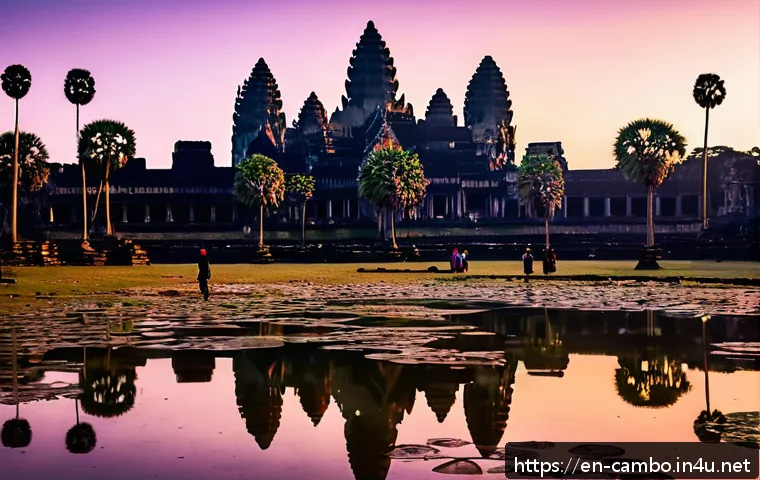
As global interest in cultural heritage preservation grows, the meticulous work of Angkor Wat restoration experts shines brighter than ever. These specialists don’t just repair ancient stones—they revive stories etched in time, facing challenges from weathering and tourism alike.
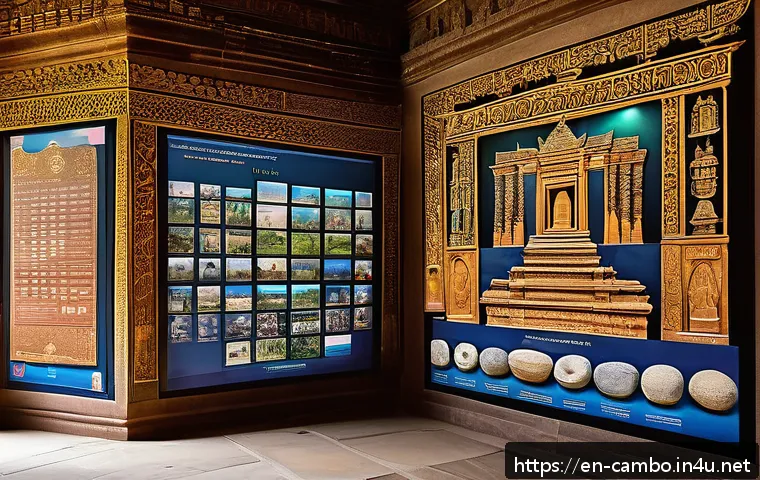
Their dedication is a testament to how history can be preserved amidst modern pressures. If you’ve ever wondered what it takes to protect one of the world’s most iconic temples, stay tuned.
Let’s explore the fascinating journey behind each carefully restored stone and the passionate hands that make it possible.
Understanding the Intricacies of Stone Conservation
Types of Stone Deterioration and Their Causes
The stones that make up ancient temples like Angkor Wat face a relentless battle against time and environment. From chemical weathering caused by acid rain to physical erosion due to wind and fluctuating temperatures, each factor chips away at the temple’s grandeur.
Salt crystallization is another sneaky culprit, especially in tropical climates, where moisture seeps into the porous stone and then evaporates, leaving behind salt deposits that expand and crack the surface.
What’s fascinating is how these specialists must identify the exact nature of the decay before deciding on restoration methods—no one-size-fits-all approach here.
The process demands not only scientific expertise but also a deep respect for the temple’s original craftsmanship.
Techniques for Stabilizing Fragile Structures
When I first learned about the restoration efforts, I was amazed by the delicate balance between preserving authenticity and ensuring longevity. Experts often use micro-injection grouts to fill in cracks without altering the stone’s appearance.
Sometimes, they apply consolidants that penetrate the stone and bind loose grains together, effectively strengthening it from within. These methods require patience and precision; a single misstep can lead to irreversible damage.
What’s more, the team continuously monitors the temple’s condition post-restoration, adjusting techniques as needed to respond to environmental changes.
It’s like giving the monument a second life, carefully tailored to its unique needs.
The Role of Documentation and Digital Mapping
One of the most impressive advancements in heritage conservation is the use of digital technology. Restoration experts now employ 3D laser scanning and photogrammetry to create detailed maps of every stone block and carving.
This digital archive not only helps track the condition of each component over time but also serves as a blueprint for future restoration work. I recall reading about how these detailed records allowed teams to reconstruct damaged sections with incredible accuracy after unexpected events like floods.
It’s a blend of old-world craftsmanship and cutting-edge tech that ensures the temple’s story continues for generations.
Balancing Tourism and Preservation
Impact of Visitor Foot Traffic on Structural Integrity
Angkor Wat attracts millions of visitors annually, and while tourism fuels local economies, it inevitably accelerates wear and tear. The constant foot traffic compacts soil around the foundations, potentially destabilizing key structures.
Additionally, touching and climbing on ancient stones can erode carvings and surfaces. Restoration experts often face the tough task of implementing protective measures without alienating tourists.
For example, they might install subtle barriers or guide paths that channel visitors away from vulnerable areas. From what I’ve seen, educating tourists about their role in preservation has also been surprisingly effective, turning visitors into stewards rather than threats.
Implementing Sustainable Tourism Practices
To address these challenges, restoration teams collaborate with local authorities and NGOs to promote sustainable tourism. This includes limiting daily visitor numbers during peak seasons and encouraging off-peak visits.
Some areas are temporarily closed to allow for natural recovery and restoration activities. Moreover, revenue from ticket sales often funnels back into conservation efforts, creating a positive feedback loop.
What struck me was the importance of involving local communities in these decisions—they hold invaluable traditional knowledge and have a vested interest in protecting their heritage.
Educational Outreach and Visitor Engagement
Beyond physical measures, engaging visitors through informative exhibits and guided tours helps deepen appreciation for the site. Interactive displays explaining the restoration process and the challenges faced bring history to life in a relatable way.
When I joined a guided tour, hearing firsthand accounts from conservationists about the painstaking work behind the scenes made me see the temple in a whole new light.
This kind of immersive education builds empathy and encourages respectful behavior, which is crucial for long-term preservation.
Materials and Tools That Stand the Test of Time
Traditional Materials Versus Modern Innovations
One dilemma restoration experts often grapple with is whether to stick to traditional materials or embrace modern substitutes. Using original materials like sandstone and traditional lime mortars preserves authenticity, but sometimes these are no longer available or insufficiently durable under current environmental conditions.
Modern materials like synthetic resins and advanced adhesives can enhance durability but risk compromising the monument’s historical integrity. I’ve heard experts emphasize the importance of extensive testing and compatibility assessments before introducing any new material, reflecting their commitment to safeguarding authenticity while adapting to contemporary challenges.
Custom-Made Tools for Delicate Work
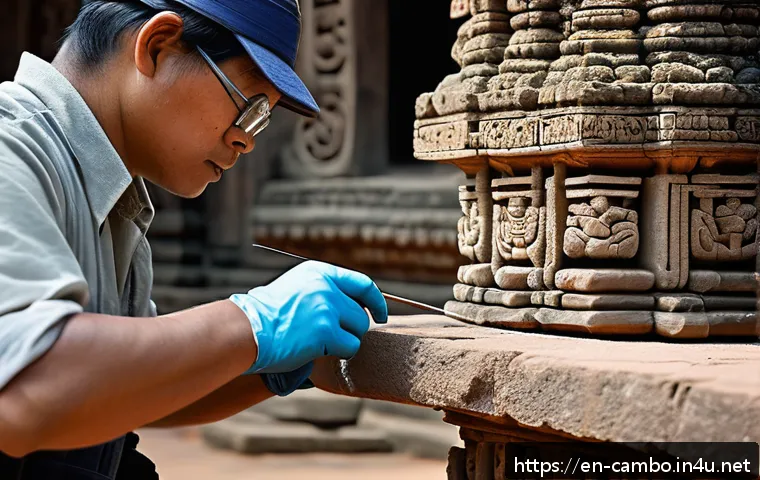
Restoring centuries-old carvings requires tools that are both precise and gentle. Many craftsmen create custom chisels and brushes tailored for specific restoration tasks.
Some tools are designed to operate under microscopes for micro-restoration work, especially when cleaning fragile surfaces or filling tiny fissures. Watching videos of these artisans at work, you can almost feel the reverence they have for every detail.
It’s a reminder that technology can only go so far; human skill and intuition remain irreplaceable in this delicate art.
Environmental Monitoring Instruments
To protect the temple from further damage, experts install sensors that continuously monitor humidity, temperature, and structural movement. This real-time data helps predict potential risks, such as mold growth or foundation shifts, enabling preemptive action.
What I found particularly impressive is how this data integrates with restoration strategies, informing everything from material choice to visitor management.
It’s a proactive approach that transforms conservation from reactive fixes to ongoing care.
Collaborative Efforts Behind the Scenes
International Partnerships and Knowledge Exchange
The scale and complexity of restoring a monument like Angkor Wat mean that no single entity can handle it alone. Restoration projects often involve international teams of archaeologists, architects, chemists, and historians pooling their expertise.
I’ve read about partnerships between Cambodian authorities and institutions from Japan, France, and UNESCO, among others. These collaborations bring together diverse perspectives and cutting-edge technologies, enriching the restoration process.
It’s inspiring to see how a shared passion for cultural heritage can unite people across borders.
Training the Next Generation of Conservators
Sustainability in restoration also depends on education and capacity building. Several initiatives focus on training local experts in conservation science and traditional craftsmanship.
This ensures that knowledge is passed down and adapted to future challenges. From attending workshops to hands-on apprenticeships at the site, these programs foster a new generation deeply connected to their cultural legacy.
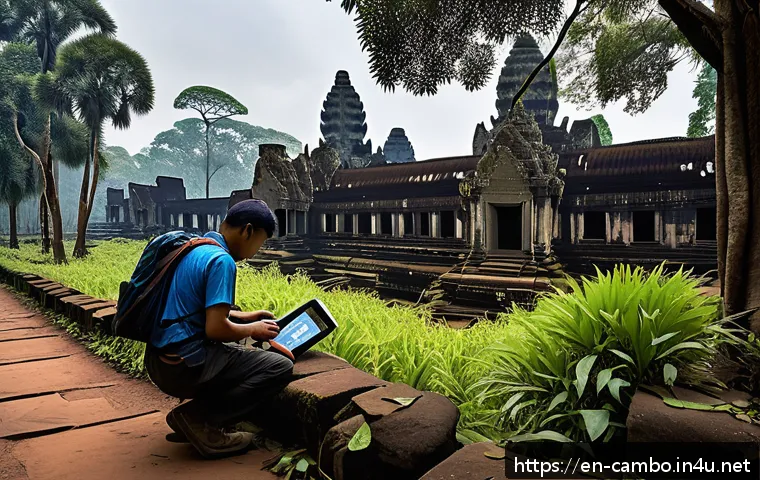
I believe this approach is vital—it’s not just about preserving stones, but also empowering communities to be guardians of their history.
Community Involvement and Cultural Sensitivity
Restoration isn’t just a technical endeavor; it’s deeply entwined with the cultural identity of local communities. Respecting local customs, beliefs, and traditions is essential for a harmonious restoration process.
For instance, certain rituals may be performed before restoration work begins, acknowledging the spiritual significance of the temple. Engaging with community elders and religious leaders helps build trust and ensures that the work honors the temple’s living heritage.
This human element adds profound meaning to the painstaking technical efforts behind the scenes.
Challenges of Climate and Environment
Effects of Tropical Climate on Preservation
The tropical climate around Angkor Wat presents unique challenges. High humidity fosters biological growth like moss and algae, which can stain and weaken stone surfaces.
Seasonal monsoons bring intense rainfall that accelerates erosion and risks flooding. Experts have to devise drainage solutions that divert water without disturbing the site’s aesthetics or archaeology.
I was surprised to learn how even tiny changes in microclimates around the temple can affect preservation efforts, highlighting the need for constant vigilance and adaptability.
Addressing Natural Disasters and Their Aftermath
Cambodia is prone to occasional natural disasters such as floods and earthquakes, which pose sudden threats to the temple’s stability. Restoration teams must prepare for such events by reinforcing structures and developing emergency response protocols.
After incidents, rapid assessments and careful repairs are crucial to prevent further deterioration. I’ve read accounts of how swift action after a flood prevented irreversible damage, illustrating the importance of readiness and resilience in heritage conservation.
Long-Term Environmental Sustainability Strategies
Looking forward, restoration experts are increasingly integrating environmental sustainability into their plans. This includes reforestation around the site to stabilize soil and improve air quality, as well as sustainable water management systems.
There’s a growing recognition that protecting the temple also means protecting its surrounding ecosystem. This holistic approach not only benefits the monument but also supports biodiversity and local livelihoods, creating a more balanced relationship between heritage and nature.
Key Restoration Methods and Their Applications
Cleaning and Surface Treatment Techniques
Removing centuries of dirt, biological growth, and pollutants requires a careful balance to avoid damaging delicate carvings. Restoration teams often use gentle methods like laser cleaning or micro-abrasion, which allow for precision without harsh chemicals.
In some cases, poultices made from natural materials absorb impurities from the stone. I was fascinated to discover how these techniques are adapted depending on the stone’s condition and the type of deposits present.
It’s a meticulous process that combines art and science.
Reassembly and Structural Reinforcement
Many parts of Angkor Wat have suffered displacement or collapse over time. Experts carefully document, catalog, and reassemble fallen stones, sometimes using hidden stainless steel pins or mortar to strengthen joints without altering appearances.
This work is painstaking—imagine piecing together a massive, ancient jigsaw puzzle with missing parts and fragile edges. It requires not only technical know-how but also a deep intuition about the original construction methods.
I’ve heard restorers describe these moments as both challenging and deeply rewarding.
Innovative Approaches to Preventative Conservation
Prevention is key in heritage preservation. Recent advances include applying protective coatings that repel water while allowing the stone to breathe, thus reducing weathering.
Some teams use bio-consolidants derived from natural materials that strengthen stone without toxic side effects. These innovations aim to extend the intervals between major restorations, saving resources and reducing risk.
Hearing about these developments gave me hope that with the right care, Angkor Wat can stand strong for centuries more.
| Restoration Challenge | Common Causes | Restoration Techniques | Expected Benefits |
|---|---|---|---|
| Stone Erosion | Rain, wind, temperature changes | Micro-injection grouts, consolidants | Structural stability, surface preservation |
| Biological Growth | High humidity, tropical climate | Laser cleaning, natural poultices | Improved aesthetics, reduced decay |
| Structural Displacement | Earthquakes, flooding, aging | Reassembly with stainless steel pins, mortar | Enhanced durability, accurate reconstruction |
| Visitor Impact | Foot traffic, touching carvings | Guided paths, visitor education | Reduced wear, increased awareness |
| Environmental Fluctuations | Humidity, temperature swings | Environmental sensors, protective coatings | Early risk detection, prolonged stone life |
Conclusion
Preserving historic stone monuments like Angkor Wat is a complex and ongoing journey that blends science, craftsmanship, and cultural respect. Each restoration effort requires careful assessment and tailored techniques to ensure both structural integrity and authenticity. The collaborative nature of these projects, combined with modern technology and traditional knowledge, offers hope that these treasures will endure for future generations to appreciate and cherish.
Helpful Information
1. Understanding the specific causes of stone deterioration is crucial before choosing restoration methods to avoid further damage.
2. Balancing tourism with preservation involves careful visitor management and education to minimize physical impact on fragile structures.
3. Combining traditional materials with modern innovations allows restorers to maintain authenticity while enhancing durability.
4. Ongoing environmental monitoring helps anticipate risks and enables timely interventions that protect the monument.
5. Community involvement and international cooperation strengthen restoration efforts and ensure sustainable heritage conservation.
Key Takeaways
Successful stone conservation requires a multifaceted approach that respects the monument’s history while adapting to present-day challenges. Techniques must be carefully chosen and continuously refined based on thorough documentation and environmental data. Protecting cultural heritage also depends on educating visitors and engaging local communities to foster a shared sense of stewardship. Ultimately, preservation is a dynamic process demanding expertise, patience, and collaboration to safeguard these irreplaceable sites for the future.
Frequently Asked Questions (FAQ) 📖
Q: uestions about
A: ngkor Wat Restoration
Q: What are the biggest challenges faced by restoration experts working on
A: ngkor Wat? A1: Restoration experts at Angkor Wat confront a unique blend of challenges. The temple’s ancient stones suffer from natural weathering caused by humidity, rain, and temperature shifts.
Additionally, the influx of millions of tourists each year accelerates wear and tear, sometimes unintentionally damaging delicate carvings. Experts must balance preserving authenticity with accommodating visitors, all while using materials and techniques that respect the original construction.
It’s a constant effort to prevent further deterioration without compromising the temple’s historic integrity.
Q: How do restoration teams ensure that their work stays true to the original craftsmanship?
A: Maintaining authenticity is a top priority. Restoration teams collaborate with historians, archaeologists, and local artisans to study original construction methods and materials.
They often source stone from the same quarries or use traditional tools and techniques to repair or replace damaged sections. Detailed documentation and 3D scanning technologies help track changes and guide restorations.
From my experience reading about these projects, it’s clear that blending modern technology with traditional knowledge is key to honoring the temple’s heritage while making the restoration sustainable.
Q: Why is preserving
A: ngkor Wat important beyond its historical value? A3: Beyond its undeniable historical and cultural significance, preserving Angkor Wat supports local communities and global heritage education.
The temple is a symbol of national pride and a major source of tourism revenue, which helps fund conservation efforts and local livelihoods. Moreover, its preservation promotes awareness of ancient civilizations, inspiring people worldwide to value cultural diversity and the need to protect irreplaceable landmarks.
Personally, learning about the ongoing restoration work deepened my appreciation for how cultural heritage connects us across time and geography.