With travel trends shifting towards more authentic and less crowded experiences, Cambodia’s lesser-known treasures are capturing the spotlight like never before.
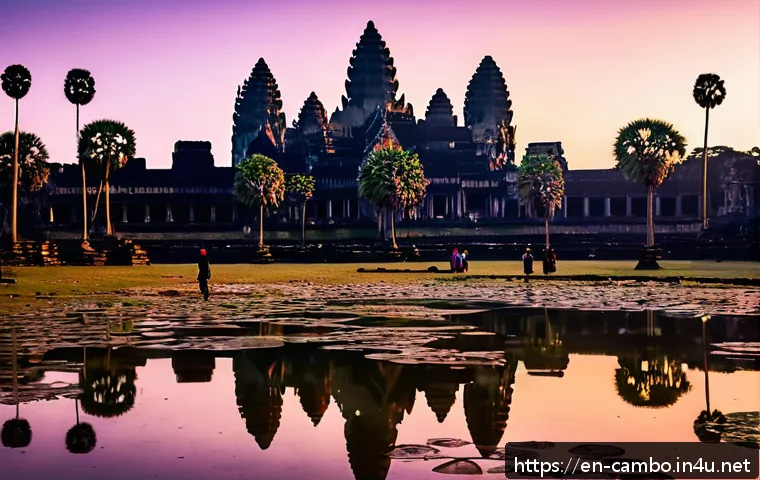
While Angkor Wat remains a must-see, there’s a whole world beyond the temples waiting to be explored. From secluded villages to untouched natural wonders, these hidden gems offer a fresh perspective on Cambodian culture and history.
If you’re craving an adventure that goes beyond the typical tourist trail, you’re in the right place. Let’s dive into some off-the-beaten-path wonders that promise unforgettable memories and genuine connections.
Stick around—you’ll want to add these spots to your travel bucket list!
Discovering Cambodia’s Enchanting Rural Villages
Stepping Into Timeless Traditions in Kampong Phluk
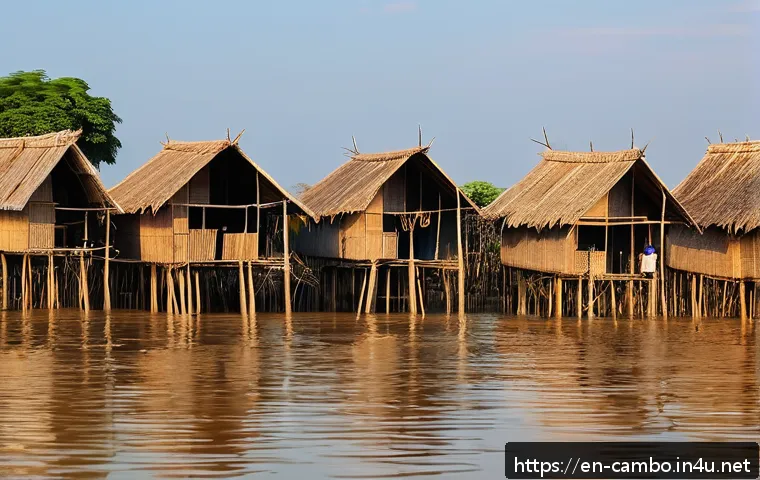
Nestled along the Tonle Sap Lake, Kampong Phluk offers an immersive glimpse into Cambodia’s stilted village life. Unlike the bustling streets of Phnom Penh or Siem Reap, here you’ll find a peaceful rhythm governed by water levels.
I was struck by how locals adapt their homes and daily activities to the lake’s seasonal floods, creating a surreal floating community. Paddle boat tours through mangrove forests reveal herons and kingfishers darting through the air, making it a birdwatcher’s paradise.
The village’s authentic charm lies in its simplicity—children playing on wooden platforms, fishermen casting nets, and elders weaving baskets. It’s a rare chance to witness a way of life largely untouched by tourism.
Experiencing Rural Hospitality in Chi Phat
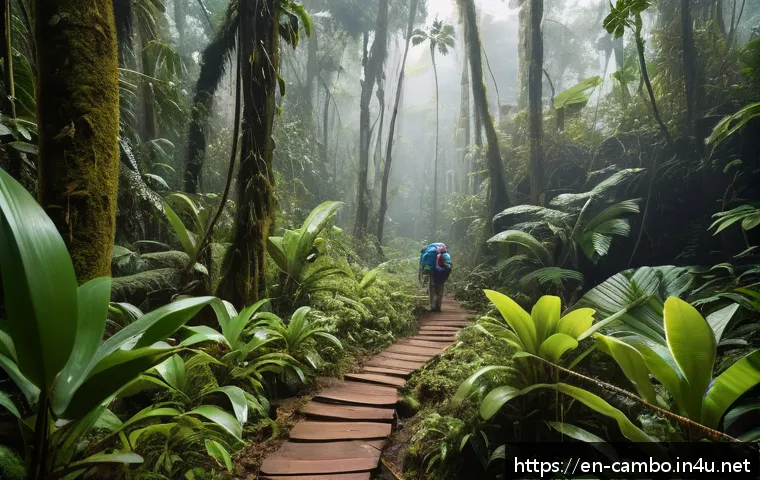
Chi Phat, a remote eco-village in the Cardamom Mountains, is a sanctuary for nature lovers and cultural explorers alike. What blew me away was the community’s commitment to sustainable tourism—locals lead treks through dense jungle trails where you might spot gibbons or rare orchids.
Staying in a homestay here felt like joining a big family; the warmth and generosity were palpable. Evening meals consisted of fresh-caught river fish and homegrown vegetables, shared under a canopy of stars.
This village represents a perfect blend of environmental preservation and authentic cultural exchange.
Unearthing Hidden Artisan Crafts in Oudong
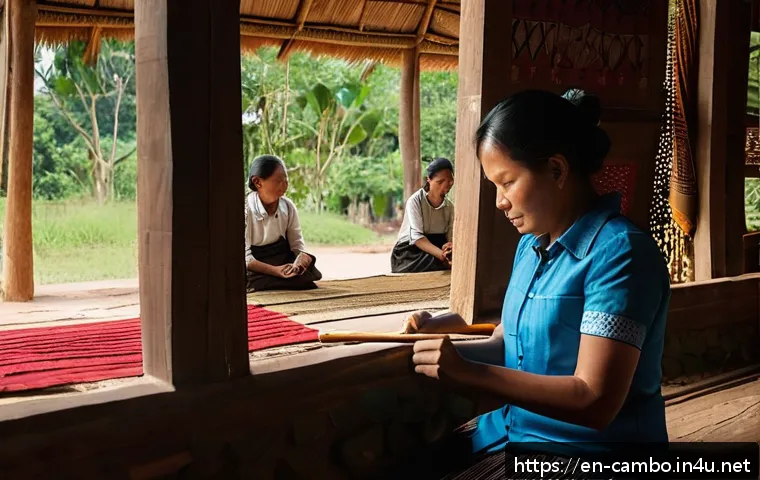
Oudong, Cambodia’s former royal capital, is often overshadowed by Angkor but holds fascinating stories and crafts waiting to be discovered. I wandered through small workshops where artisans shape intricate silk scarves and traditional pottery, skills passed down through generations.
The slow pace here lets you appreciate the meticulous handiwork and hear tales of Cambodia’s royal past. Climbing the hilltop stupas rewarded me with panoramic views of the countryside, a quiet moment far from the usual crowds.
Oudong feels like stepping back in time, where history and craftsmanship intertwine beautifully.
Immersing in Untouched Natural Wonders
Exploring the Pristine Cardamom Mountains
The Cardamom Mountains are a vast wilderness offering one of Southeast Asia’s last great rainforests. Trekking here is an adventure filled with surprises—from spotting clouded leopards and hornbills to crossing crystal-clear streams.
I remember the thrill of camping under dense foliage, surrounded by symphonies of cicadas and distant calls of gibbons. The trails are challenging but incredibly rewarding, revealing waterfalls and rare plant species.
Conservation efforts by local groups ensure that this natural treasure remains unspoiled, making every step a contribution to preserving biodiversity.
Kayaking Through the Mekong’s Hidden Channels
The Mekong River is often viewed from bustling riverfronts, but its quieter tributaries offer peaceful escapes. Paddling through narrow channels lined with lush greenery, I encountered fishermen tending their nets and water buffaloes grazing along the banks.
This slow journey lets you absorb the daily life of riverside communities, often missed by typical tours. Early mornings bring misty vistas and the chance to see rare freshwater dolphins in the distance.
Kayaking here felt like slipping into a secret world where nature and humanity coexist gently.
Discovering Secret Waterfalls in Mondulkiri
Mondulkiri’s rolling hills and dense forests hide spectacular waterfalls far from the tourist radar. One hike led me to Bou Sra Waterfall, a three-tiered cascade surrounded by jungle so thick it muffled the outside world.
The cool mist and thunderous roar created an almost magical atmosphere. Nearby villages offer guided walks where you can learn about indigenous Bunong culture and their harmonious relationship with the forest.
These offbeat waterfalls provide refreshing respite and a deeper connection to Cambodia’s wild heart.
Uncovering Cambodia’s Culinary Secrets Off the Beaten Path
Tasting Traditional Flavors in Battambang’s Markets
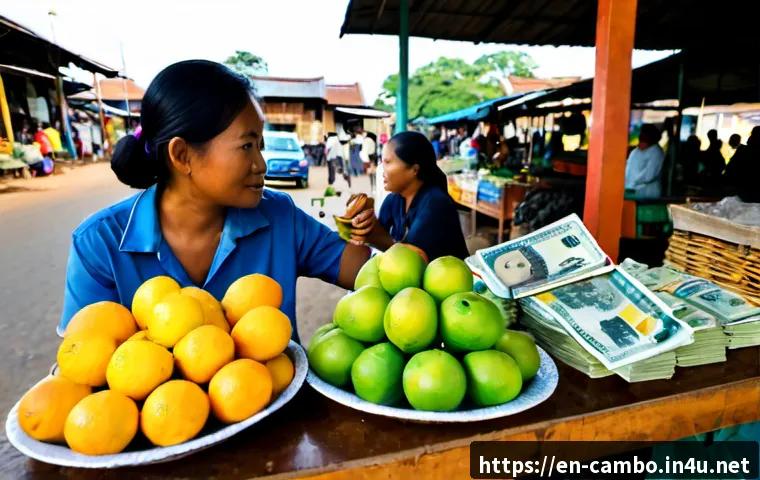
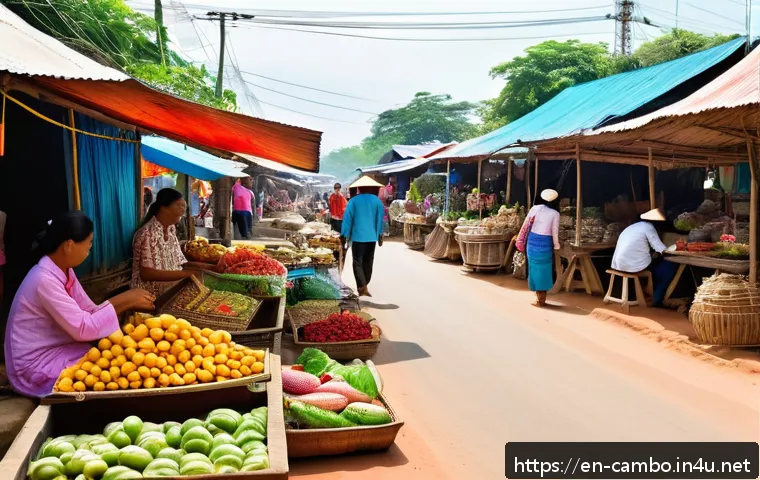
Battambang’s bustling markets are treasure troves of authentic Khmer flavors far from tourist menus. Sampling street food stalls, I savored grilled freshwater fish wrapped in banana leaves and sticky rice topped with coconut cream.
The aroma of lemongrass and kaffir lime permeated the air, enhancing every bite. Chatting with vendors revealed recipes handed down through families, emphasizing fresh, local ingredients.
This culinary adventure felt like a delicious history lesson in every dish.
Joining a Home-Cooked Meal in a Remote Village
In a small village near Siem Reap, I was invited to share a meal prepared by a local family. The experience was unforgettable—not just for the flavors but for the genuine hospitality.
Dishes like fish amok and green mango salad were bursting with freshness and balanced spices. Sitting on woven mats, surrounded by laughter and storytelling, I realized how food connects people beyond language barriers.
This kind of intimate dining is rare but priceless for travelers seeking cultural immersion.
Exploring Cambodia’s Coffee Culture in the Highlands
The highlands around Kampot and Mondulkiri are emerging as Cambodia’s coffee heartland. Visiting a family-run coffee plantation, I learned about the bean-to-cup process and tasted some of the richest brews I’ve ever had.
The cool mountain air and verdant fields create perfect growing conditions. What stood out was the sustainable farming approach and the pride locals take in their craft.
Sipping fresh coffee while overlooking misty hills made for a perfect morning ritual and a new appreciation for Cambodian agriculture.
Experiencing Cambodia’s Artistic Expressions Beyond the Temples
Engaging with Contemporary Art in Phnom Penh
Phnom Penh’s art scene is vibrant and evolving, offering a fresh perspective on Cambodia’s past and future. Galleries like Sa Sa Bassac showcase works by emerging artists who blend traditional motifs with modern themes.
I was drawn to exhibitions addressing social issues through bold colors and innovative mediums. Attending art workshops here gave me hands-on experience with silk painting and sculpture, deepening my understanding of Khmer creativity beyond ancient ruins.
This dynamic art community breathes new life into Cambodia’s cultural narrative.
Witnessing Traditional Dance in Remote Communities
Outside the capital, traditional dance performances are often intimate affairs held in village settings. I attended a shadow puppet show accompanied by live music, where every gesture and costume detail told ancient stories.
The performers’ passion was infectious, and after the show, they welcomed questions and shared personal histories. These experiences felt more heartfelt than staged tourist spectacles, offering genuine insights into Khmer folklore and spirituality.
Supporting Local Craftsmanship Through Workshops
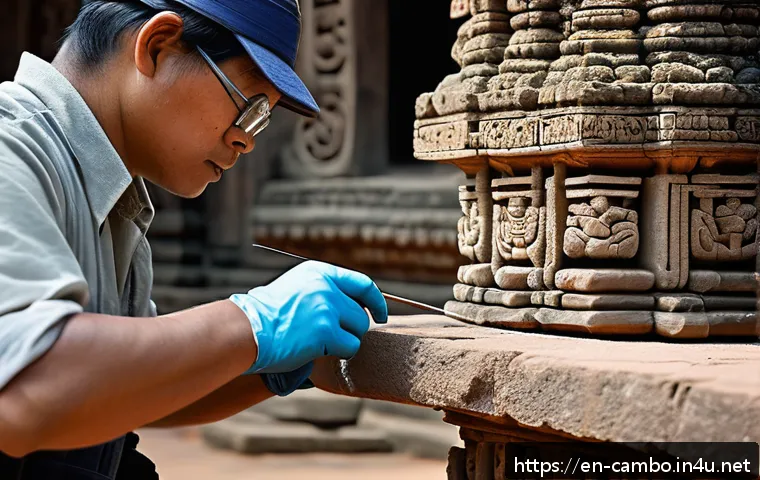
Participating in craft workshops, such as silk weaving or stone carving, provided a tactile connection to Cambodia’s artistic heritage. Guided by skilled artisans, I tried my hand at techniques refined over centuries.
The patience and precision required gave me newfound respect for these crafts. Purchasing handmade souvenirs directly from creators also ensures your money supports sustainable livelihoods and helps preserve cultural traditions for future generations.
Venturing Into Cambodia’s Lesser-Known Historical Sites
Exploring the Ancient City of Sambor Prei Kuk
Before Angkor, Sambor Prei Kuk was the capital of the Chenla Kingdom, and its ruins hold a fascinating glimpse into early Khmer civilization. Walking among the jungle-clad temples, I was amazed by the intricate carvings and the peaceful atmosphere.
The site is far less crowded, allowing for quiet reflection and photography without the usual tourist bustle. Learning about its architectural significance enriched my understanding of Cambodia’s historical depth beyond the famous Angkor complex.
Visiting the Forgotten Temples of Koh Ker
Koh Ker, located deep in the jungle, is a remote archaeological site that feels like a discovery waiting to happen. The towering pyramid-shaped temple, Prasat Thom, dominates the landscape with its mysterious aura.
Trekking between scattered ruins, I felt a thrilling sense of exploration, as if uncovering a lost world. Few tourists make the journey, which means you can enjoy the silence interrupted only by the calls of tropical birds and monkeys.
It’s an adventure for those craving solitude and history intertwined.
Walking Through Battambang’s Colonial Past
Battambang’s French colonial architecture offers a different kind of historical charm. Wandering tree-lined streets, I admired the pastel-colored villas and ornate balconies, many now housing cafes and galleries.
The city’s slower pace allowed me to soak in its layered history, from colonial influences to Khmer Rouge impacts. Visiting local museums and chatting with residents revealed stories rarely told in guidebooks, making it a rich, educational detour from Cambodia’s ancient sites.
| Destination | Highlights | Best Time to Visit | Unique Experience |
|---|---|---|---|
| Kampong Phluk | Floating stilt village, birdwatching | November to April (dry season) | Boat tours through flooded forests |
| Chi Phat | Eco-trekking, homestays | December to February (cool season) | Community-led jungle treks |
| Cardamom Mountains | Rainforest hikes, wildlife spotting | November to March | Camping under the canopy |
| Mondulkiri Waterfalls | Secluded cascades, indigenous culture | December to February | Guided village walks |
| Phnom Penh Art Scene | Contemporary galleries, workshops | Year-round | Silk painting classes |
| Sambor Prei Kuk | Pre-Angkor temples, carvings | November to March | Quiet temple exploration |
In Conclusion
Exploring Cambodia’s rural villages, natural wonders, and lesser-known historical sites offers a unique perspective beyond the typical tourist path. The genuine hospitality, rich cultural heritage, and stunning landscapes create unforgettable experiences. Whether you’re drawn to eco-adventures, traditional crafts, or hidden culinary gems, Cambodia’s off-the-beaten-track destinations invite you to connect deeply with its authentic spirit.
Useful Information to Keep in Mind
1. The best time to visit most rural and natural areas in Cambodia is during the dry season, from November to April, to avoid heavy rains and flooded roads.
2. Staying in homestays or community-run accommodations not only supports local economies but also offers a more immersive cultural experience.
3. When trekking in remote areas like the Cardamom Mountains, prepare for challenging trails and bring essential gear such as sturdy shoes, insect repellent, and sufficient water.
4. Respect local customs and traditions, especially when visiting indigenous communities or participating in cultural activities like dance performances or craft workshops.
5. Carry cash in small denominations as many rural destinations have limited access to ATMs or card payment facilities.
Key Takeaways for Your Journey
Choosing less-visited destinations in Cambodia reveals a rich tapestry of history, nature, and culture that mainstream tourism often overlooks. Prioritize sustainable travel practices to protect these fragile environments and support local communities. Embrace the slower pace and open-hearted hospitality you’ll encounter, allowing yourself time to truly connect with the people and places you visit. Planning ahead, especially regarding seasonal conditions and local logistics, will enhance your adventure and ensure a more rewarding and respectful experience.
Frequently Asked Questions (FAQ) 📖
Q: What are some of the best lesser-known destinations in Cambodia for travelers seeking authentic experiences?
A: Beyond Angkor Wat, places like Kampong Phluk, a floating village on Tonle Sap Lake, offer a rare glimpse into traditional stilt-house living and local fishing culture.
The Cardamom Mountains provide untouched jungle trekking and wildlife spotting opportunities, far from the usual crowds. Additionally, the quaint town of Kep is perfect for those who want to enjoy serene beaches and fresh seafood without the tourist rush.
These spots allow visitors to connect deeply with Cambodia’s natural beauty and local way of life.
Q: How can I travel responsibly when exploring Cambodia’s hidden gems?
A: Traveling responsibly means respecting local customs, supporting community-based tourism, and minimizing environmental impact. When visiting remote villages, it’s best to engage with local guides who benefit directly from tourism.
Avoid leaving any trash behind and opt for eco-friendly accommodations when possible. Also, dressing modestly and asking permission before photographing people helps build trust and shows genuine respect for Cambodian culture.
Q: What should I expect in terms of infrastructure and amenities when visiting Cambodia’s off-the-beaten-path locations?
A: Many lesser-known sites in Cambodia have limited infrastructure compared to popular tourist hubs. Roads might be rough, and public transportation is often sparse, so hiring a local driver or joining a small tour can be very helpful.
Accommodations tend to be simpler and more rustic, offering an authentic experience rather than luxury. Wi-Fi and mobile coverage may be spotty, so it’s wise to plan accordingly.
Despite these challenges, the warmth of the locals and the pristine environment more than make up for the modest amenities.