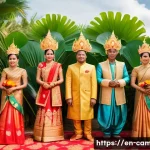
When visiting Cambodia, one of the most fascinating aspects to notice is its unique clothing culture, deeply rooted in tradition yet influenced by modern trends.
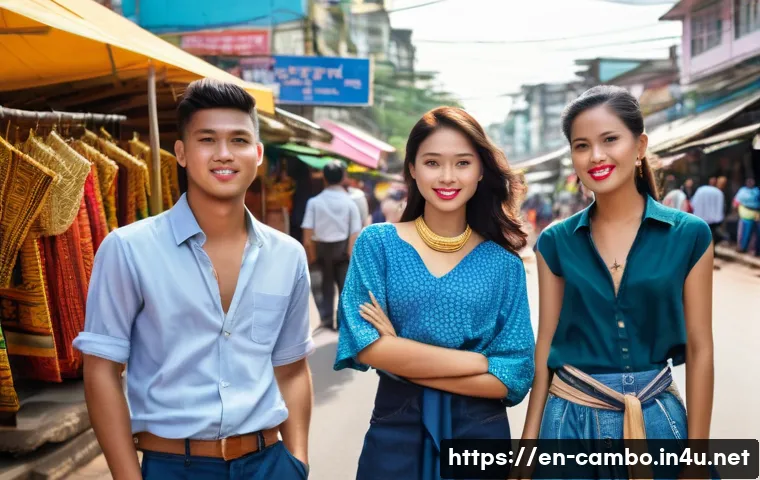
Cambodian attire reflects the country’s rich history, climate, and social customs, blending comfort with vibrant colors and meaningful symbolism. From the elegant silk sampot worn during festivals to everyday casual wear, understanding these styles offers a window into Cambodian identity.
Whether you’re planning a trip or just curious, exploring local dress codes helps you connect respectfully with the culture. Let’s dive in and uncover the details together!
Traditional Fabrics and Their Stories
The Art of Silk Weaving
Silk weaving in Cambodia is much more than a craft—it’s a living tradition passed down through generations. When you see the shimmering silk sampot, you’re actually witnessing centuries of artistry woven into every thread.
The process is painstaking, with artisans hand-spinning and dyeing silk to produce vibrant colors and intricate patterns. I remember visiting a village outside Phnom Penh where the weavers took immense pride in their work, sharing how each motif often tells a story of Khmer myths or reflects nature’s beauty.
Wearing silk isn’t just about fashion; it’s about carrying a piece of cultural heritage with you.
Symbolism Behind Patterns and Colors
Colors and patterns aren’t random in Cambodian clothing—they carry deep meanings. For instance, red often symbolizes good fortune and happiness, while gold is associated with royalty and prosperity.
Traditional patterns like the lotus or naga (serpent) motifs are prevalent, symbolizing purity and protection. From what I observed, locals choose these designs thoughtfully, especially during ceremonies and festivals, to convey respect and align with spiritual beliefs.
It’s fascinating how clothing becomes a language on its own, expressing identity and values without words.
Everyday Wear Meets Tradition
While traditional silk garments are reserved for special occasions, everyday Cambodian attire is surprisingly practical and comfortable. Lightweight cotton fabrics dominate daily wardrobes, ideal for the hot, humid climate.
I noticed that even casual outfits often include subtle nods to tradition, such as the use of patterned scarves or simple sarongs. What struck me was how locals blend old and new—pairing traditional elements with modern cuts or accessories—showing a fluid style that honors the past without feeling outdated.
Festive Dressing: More Than Just Style
Clothing for Weddings and Religious Ceremonies
Festivals and religious events are where Cambodian clothing truly shines. Weddings, for example, are a spectacle of color and intricate designs, with brides often wearing richly embroidered sampots and elaborate headdresses.
I attended a wedding once and was amazed at the layers of meaning behind each garment piece, from the choice of fabric to the jewelry. It’s clear that dressing for these occasions is an act of reverence, not just celebration, reflecting respect for ancestors and spiritual traditions.
New Year Celebrations and Traditional Attire
During Khmer New Year, traditional dress takes center stage. People don bright silk outfits with bold colors to mark the joyous occasion. I learned that wearing these specific clothes is believed to bring luck and ward off bad spirits in the coming year.
The atmosphere is so vibrant, and the attire contributes heavily to that feeling of renewal and community. It’s a time when cultural pride is palpable, and clothing plays a crucial role in expressing that collective spirit.
How Tourists Can Dress Respectfully
If you’re visiting temples or attending local festivals, it’s important to dress respectfully. Lightweight, modest clothing that covers shoulders and knees is recommended.
From personal experience, I found that bringing a scarf or wrap helped navigate dress codes easily. Locals appreciate when visitors make the effort to honor these customs, which fosters goodwill and deeper cultural connection.
Plus, dressing appropriately allows you to immerse more fully in the experience without standing out awkwardly.
Modern Influences and Urban Style
Blending Tradition with Contemporary Fashion
In cities like Phnom Penh, the younger generation is redefining what Cambodian clothing means. Street style now mixes traditional textiles with modern silhouettes—think silk tops paired with jeans or sarong skirts updated with trendy cuts.
I’ve seen local designers pushing boundaries, creating collections that celebrate heritage while appealing to global fashion trends. This fusion isn’t just aesthetic; it reflects Cambodia’s evolving identity, balancing pride in roots with openness to new influences.
Fashion Markets and Local Designers
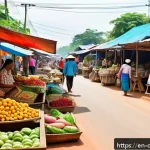
Exploring Phnom Penh’s fashion markets gave me insight into this dynamic scene. Stalls showcase everything from handmade jewelry to bespoke clothing that combines traditional motifs with contemporary flair.
Supporting these artisans feels like investing in Cambodia’s cultural future. Many designers also incorporate sustainable practices, using natural dyes and eco-friendly fabrics, which adds another layer of value for conscious shoppers.
It’s inspiring to see tradition fueling innovation in such a vibrant way.
Streetwear and Youth Culture
Streetwear in Cambodia is growing rapidly, reflecting global trends but with a distinct local twist. Young Cambodians mix graphic tees and sneakers with traditional accessories, creating looks that are both casual and culturally meaningful.
This blending caught my eye during festivals and everyday outings alike. It highlights how cultural expression is not static but continuously reshaped by the people who live it daily, making Cambodian fashion a lively dialogue between past and present.
Clothing and Climate Adaptation
Materials Suited for Tropical Weather
Cambodia’s hot, humid climate heavily influences clothing choices. Natural fibers like cotton and silk are preferred because they breathe well and help keep the body cool.
I noticed locals often opt for loose-fitting garments, which facilitate airflow and comfort. This practical approach to dressing is a smart adaptation to the environment, showing that traditional clothing styles are not just about aesthetics but also about functionality.
Layering and Sun Protection
Despite the heat, layering is common—often through lightweight scarves or long sleeves—to protect against the intense sun. During temple visits, these layers also serve the dual purpose of modesty and respect.
I found that carrying a lightweight shawl was a lifesaver, offering shade and a quick way to cover up when needed. It’s interesting how these practical habits are woven into the cultural fabric, literally and figuratively.
Seasonal Variations in Dress
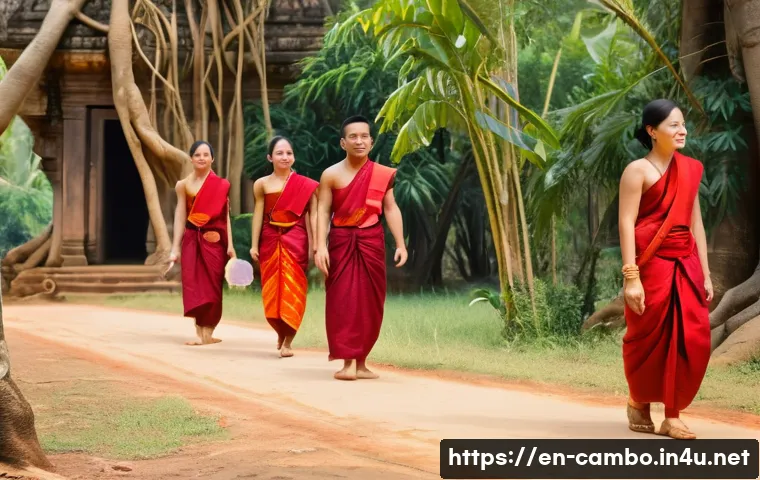
Cambodia’s rainy season brings subtle shifts in clothing choices. Waterproof or quick-dry materials become popular, and footwear changes from sandals to more protective options.
I recall adjusting my own packing list after experiencing sudden downpours, realizing how local dress customs cleverly accommodate these seasonal changes.
This adaptability is a testament to the deep relationship between clothing and environment in Cambodia.
Gender Roles and Clothing Norms
Traditional Gender-Specific Attire
Historically, Cambodian clothing has clear distinctions between men’s and women’s styles. Men often wear simpler sampots or trousers paired with shirts, while women’s garments tend to be more ornate, featuring elaborate patterns and accessories.
I observed that these distinctions are tied to social roles and cultural expectations, with clothing serving as a visual marker of identity and status.
It’s a nuanced system that continues to evolve but remains rooted in tradition.
Changing Perspectives Among Younger Generations
In recent years, gender norms around clothing have begun to loosen, especially in urban areas. Young people are experimenting with styles that blur traditional lines, embracing more fluid expressions of identity.
I spoke with several locals who shared how fashion became a way to challenge stereotypes and assert individuality. This shift is exciting to witness, signaling a broader cultural transformation that’s inclusive and forward-looking.
Respecting Norms While Embracing Change
Navigating traditional expectations while embracing modernity can be delicate. Visitors should observe local customs respectfully but also recognize the dynamic nature of culture.
From what I’ve learned, showing openness and curiosity, rather than judgment, is the best way to engage with Cambodia’s clothing culture. It’s a balance that honors history while celebrating personal expression.
Essential Accessories and Their Meanings
Jewelry and Ornamentation
Accessories in Cambodian dress are far from mere decoration; they hold symbolic weight. Gold jewelry, often passed down as family heirlooms, signifies wealth and heritage.
I was fortunate to try on some traditional necklaces and bracelets during a cultural workshop, feeling the weight of history in each piece. These ornaments often accompany ceremonial dress but can also appear in daily wear, subtly connecting wearers to their lineage.
Headdresses and Cultural Significance
Headdresses, especially during performances and rituals, are striking elements of Cambodian attire. They’re crafted with exquisite detail, sometimes adorned with flowers or jewels.
When I attended a traditional dance performance, the dancers’ headdresses seemed to transport the audience back in time, embodying mythological characters and spiritual ideals.
These accessories are powerful symbols of identity and storytelling.
Scarves and Functional Elegance
The krama, a versatile checkered scarf, is perhaps the most iconic Cambodian accessory. It serves countless purposes—from sun protection to fashion statements.
I found myself using a krama daily while traveling; it was perfect for everything from wiping sweat to covering my head in temples. This simple piece of cloth embodies the resourcefulness and cultural pride of Cambodia, blending utility with tradition effortlessly.
Comparison of Traditional and Modern Cambodian Clothing
| Aspect | Traditional Clothing | Modern Clothing |
|---|---|---|
| Material | Handwoven silk, natural dyes | Mixed fabrics including cotton blends and synthetics |
| Design | Intricate patterns with cultural symbolism | Simplified or fusion designs blending tradition and trend |
| Occasion | Festivals, ceremonies, formal events | Everyday wear, casual outings, urban fashion |
| Gender Specificity | Clear distinctions in styles and accessories | More fluid and experimental expressions |
| Functionality | Adapted to climate with loose fits and breathable fabrics | Incorporates modern tailoring and comfort features |
| Symbolism | Strong cultural and spiritual meanings | Often aesthetic with subtle cultural nods |
Conclusion
Traditional Cambodian clothing is a vibrant tapestry of history, culture, and identity woven into every fabric and pattern. Experiencing this blend of heritage and modernity reveals a society that honors its roots while embracing change. Whether through ceremonial silk or everyday wear, clothing remains a powerful expression of values and community. Exploring these styles offers a deeper appreciation of Cambodia’s unique story and its evolving cultural landscape.
Useful Information to Know
1. Traditional Cambodian silk weaving is a meticulous art that carries centuries of cultural stories and symbolism.
2. Colors and patterns in clothing often have specific meanings tied to spirituality, prosperity, and identity.
3. Dressing respectfully in Cambodia involves modest clothing that covers shoulders and knees, especially in temples and festivals.
4. Modern Cambodian fashion blends traditional textiles with contemporary styles, reflecting a dynamic cultural shift.
5. The krama scarf is a multifunctional accessory symbolizing both practicality and cultural pride in everyday life.
Key Takeaways
Understanding Cambodian clothing means appreciating the balance between tradition and modernity, respecting cultural norms while recognizing ongoing changes. Practicality and symbolism are deeply intertwined, with garments adapted to climate and social functions. Visitors should approach local dress codes with sensitivity, as clothing is not only fashion but a meaningful cultural language. Supporting local artisans and designers helps preserve this rich heritage while encouraging sustainable innovation.
Frequently Asked Questions (FAQ) 📖
Q: What is the traditional Cambodian garment called, and when is it typically worn?
A: The traditional garment is called a “sampot,” a long, rectangular piece of cloth worn wrapped around the waist. It’s most commonly seen during festivals, weddings, and religious ceremonies, where people choose silk versions with intricate patterns to celebrate special occasions.
I remember attending a Cambodian New Year event and noticing how elegantly the sampot added both color and cultural depth to the festivities.
Q: How does Cambodia’s climate influence everyday clothing choices?
A: Cambodia’s hot and humid tropical climate means that people favor lightweight, breathable fabrics like cotton and silk for daily wear. Loose-fitting shirts and pants are popular because they offer comfort while allowing airflow.
When I visited, locals were often in simple, comfortable clothes that helped them stay cool, yet you could still spot vibrant colors and traditional motifs even in casual attire.
Q: Are there any cultural etiquette tips for visitors regarding Cambodian dress?
A: Absolutely. When visiting temples or religious sites, it’s respectful to dress modestly—covering shoulders and knees is a must. Wearing traditional clothing like the sampot can be a lovely gesture to show respect, but if not, just opting for neat, conservative outfits works well.
I found that locals appreciate when tourists make an effort to dress appropriately, and it helped me feel more connected to the culture during my trip.