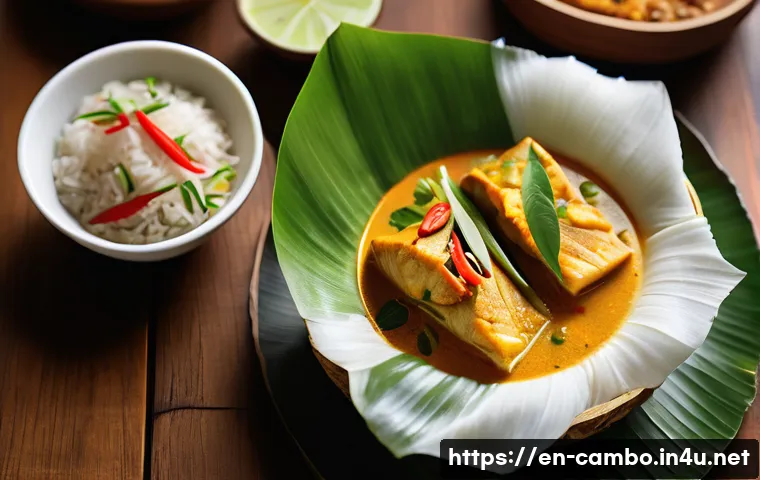
Exploring Cambodia’s Amok Trey offers a fascinating glimpse into one of Southeast Asia’s most beloved culinary treasures. This traditional fish curry, rich with fragrant spices and creamy coconut milk, reflects the vibrant flavors and cultural heritage of the region.
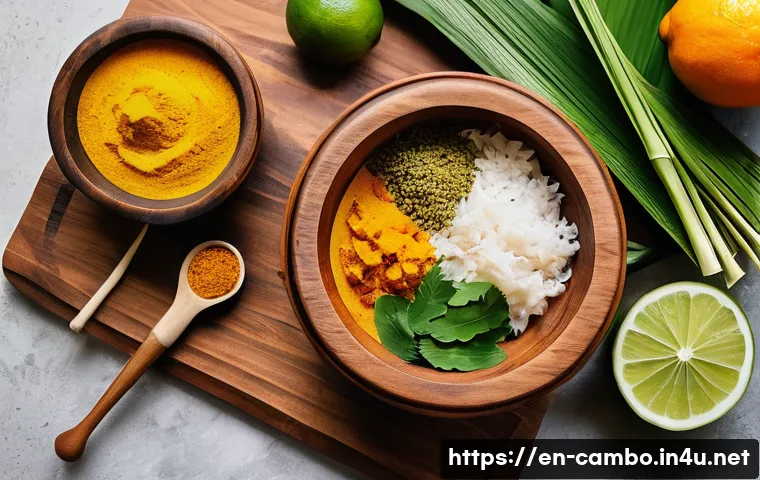
Its unique preparation and delicate balance of ingredients make it a must-try dish for any food enthusiast eager to experience authentic Khmer cuisine.
Whether enjoyed in a bustling Phnom Penh market or a cozy local restaurant, Amok Trey captures the heart of Cambodian cooking. Let’s dive deeper and uncover what makes this dish truly special!
The Art of Crafting Traditional Khmer Flavors
Blending Aromatics and Spices
When it comes to capturing the essence of Cambodian cuisine, the way spices and aromatics are combined is nothing short of an art form. The base of this fish curry relies heavily on fresh ingredients like lemongrass, kaffir lime leaves, galangal, and turmeric, which are expertly ground together to form a fragrant paste.
This paste isn’t just a seasoning; it’s the soul of the dish, offering layers of citrusy brightness, earthiness, and a subtle kick of heat. What’s fascinating is how the balance of these flavors is carefully maintained—too much turmeric, and the dish can become bitter; too little lemongrass, and the brightness fades away.
Cooking it myself, I realized how essential the freshness and ratio of each spice are to creating that perfect harmony.
Using Coconut Milk to Create Creamy Texture
The addition of coconut milk is what transforms this dish from a simple curry to a luxuriously creamy experience. It envelops the fish in a velvety richness that’s both soothing and deeply satisfying.
Unlike some curries that rely on heavy cream or yogurt, this one uses coconut milk to keep things light yet indulgent. I found that the quality of coconut milk really changes the outcome—freshly squeezed or high-quality canned coconut milk results in a silkier texture and more pronounced sweetness, which balances the spices beautifully.
This creaminess is what makes the dish so approachable for those new to Southeast Asian flavors, yet it remains authentic to Khmer traditions.
Steaming in Banana Leaf Cups for Authenticity
One of the most unique aspects is the method of cooking: the curry is traditionally steamed inside banana leaf cups. This technique not only imparts a subtle herbal aroma but also helps the flavors meld gently while keeping the fish tender.
The banana leaf acts like a natural steamer basket, locking in moisture and infusing the dish with a delicate earthiness that’s impossible to replicate with metal cookware.
When I tried steaming it at home, folding the leaves was a bit tricky at first, but the end result was absolutely worth it—the aroma alone makes the dining experience special and memorable.
Choosing the Right Fish and Ingredients
Optimal Fish Varieties for Perfect Texture
Selecting the right fish is crucial to achieving the authentic texture and flavor that this dish demands. Traditionally, freshwater fish like snakehead or catfish are preferred because they hold up well during steaming without falling apart.
Their firm flesh absorbs the curry paste and coconut milk, allowing each bite to burst with flavor. From my own cooking trials, I noticed that using flaky fish like tilapia results in a less satisfying texture, as it tends to disintegrate, losing the dish’s signature mouthfeel.
Freshness is key too—using fish caught the same day enhances the overall taste and aroma significantly.
Essential Herbs and Garnishes
The final touch often involves garnishing the dish with finely sliced kaffir lime leaves and fresh red chili, adding a pop of color and an extra layer of fragrance and mild heat.
These garnishes aren’t just decorative; they elevate the sensory experience by providing contrast to the creamy curry. I’ve also seen some variations where fresh basil or coriander is used, which adds another dimension of flavor, though purists might prefer sticking to the traditional herbs to preserve the original taste profile.
Ingredient Table: Key Components and Their Roles
| Ingredient | Role in the Dish | Flavor Profile |
|---|---|---|
| Lemongrass | Base aromatic; adds citrusy brightness | Fresh, lemony, slightly herbal |
| Galangal | Spice base; provides earthy warmth | Peppery, sharp, slightly piney |
| Kaffir Lime Leaves | Fragrance enhancer; garnish and flavor | Zesty, floral, citrusy |
| Turmeric | Color and mild bitterness | Warm, slightly bitter, earthy |
| Coconut Milk | Texture and sweetness | Rich, creamy, subtly sweet |
| Fresh Fish (Snakehead, Catfish) | Main protein; texture foundation | Mild, firm, absorbs flavors well |
Regional Variations and Modern Twists
Differences Across Cambodia’s Provinces
Cambodia’s diverse regions each bring their own spin to this iconic dish. In coastal areas, seafood versions using river prawns or even crab are common, offering a slightly briny twist.
Inland provinces might incorporate more herbs or adjust the spice levels according to local preferences. From conversations with locals and food vendors, I found that some add a touch of palm sugar to balance the sour and spicy notes, creating a sweeter, more rounded flavor profile.
These subtle changes illustrate how the dish evolves to suit different palates while maintaining its cultural roots.
Contemporary Interpretations in Urban Settings
In Phnom Penh’s trendy eateries and fusion restaurants, chefs are experimenting with Amok Trey by incorporating ingredients like lemongrass-infused cream or swapping traditional fish for salmon or seabass to cater to international diners.
While some purists might scoff at these variations, I found that these creative approaches introduce the dish to a wider audience without completely losing its essence.
It’s exciting to see how the dish adapts, blending tradition with innovation in a way that respects its origins yet embraces modern culinary trends.
The Impact of Tourism on Recipe Evolution
Tourism has played a significant role in popularizing this dish outside Cambodia’s borders, but it has also influenced how locals prepare it. Restaurants catering to tourists often tone down the spiciness and present the dish in a more polished manner, sometimes using ramekins instead of banana leaves for convenience.
While this makes the dish more accessible, it also raises questions about preserving authenticity. From my experience dining in both tourist hotspots and local markets, the contrast is palpable—each has its own charm, but the market versions often deliver a more authentic and deeply satisfying experience.
Health Benefits and Nutritional Insights
Rich Source of Protein and Healthy Fats
Fish, being the primary ingredient, provides a lean source of protein that’s essential for muscle repair and overall health. The use of coconut milk, despite its creamy texture, actually offers medium-chain triglycerides (MCTs), which are considered good fats that the body can quickly convert to energy.
I’ve found that this combination makes the dish not only flavorful but also nourishing, especially when paired with steamed rice and fresh vegetables, creating a balanced meal that fuels the body without feeling heavy.
Anti-Inflammatory Properties of Spices
Many of the spices used in this dish, like turmeric and galangal, contain natural anti-inflammatory compounds. Turmeric’s curcumin is widely studied for its health benefits, including reducing inflammation and improving joint health.
Galangal, often overlooked, has antioxidant properties that can aid digestion and boost immunity. When I incorporated this dish into my regular meal rotation, I noticed a subtle improvement in digestion and overall well-being, likely due to these beneficial spices working synergistically.
Considerations for Dietary Restrictions
For those with dietary concerns, this dish can be quite accommodating. It’s naturally gluten-free and can be adjusted to be lower in sodium by reducing fish sauce quantities.
However, individuals with seafood allergies should avoid it or substitute fish with tofu or vegetables to maintain the flavors. I experimented with a vegetarian version by using eggplant and mushrooms, which absorbed the curry paste nicely, although the texture and taste obviously differ from the original.
This flexibility makes the dish accessible to a wider audience without losing its core characteristics.
Experiencing Amok Trey in Cambodian Culture
The Social Role of Sharing Meals
In Cambodia, meals are deeply social events, and Amok Trey often takes center stage during family gatherings and festivals. The act of sharing this dish embodies communal warmth and hospitality.
I had the privilege of joining a local family dinner in Siem Reap, and the way everyone eagerly passed around the steaming banana leaf cups was a beautiful reminder of how food connects people.
The shared experience of savoring this rich curry fosters bonds and celebrates cultural identity in a way that goes beyond mere sustenance.
Street Food vs. Restaurant Experiences
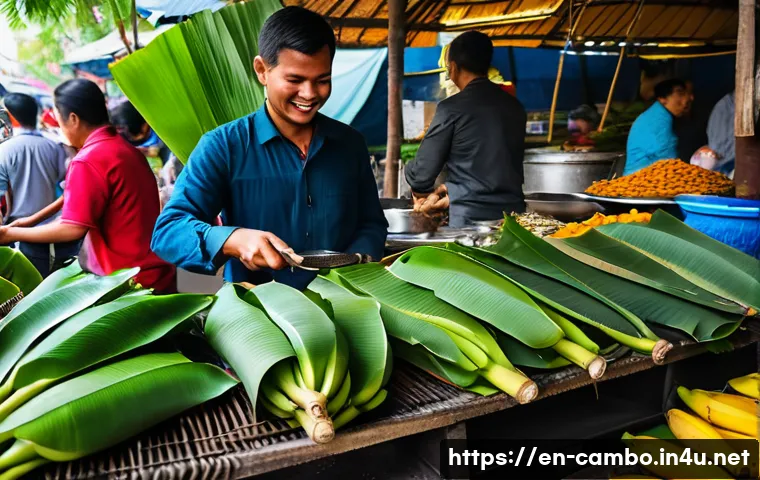
Sampling this dish from street vendors versus sitting down in a restaurant offers contrasting but equally valuable experiences. Street vendors tend to prepare Amok Trey in smaller batches with traditional methods, making the flavors punchier and more authentic.
On the other hand, restaurants often provide a more polished presentation and a calmer atmosphere to savor the dish slowly. Personally, I prefer the street food vibe for the raw authenticity and lively ambiance, but both settings have their merits depending on the mood and occasion.
Learning from Local Chefs and Home Cooks
One of the most rewarding aspects of exploring this dish was learning directly from Cambodian cooks. Their knowledge of ingredient sourcing, paste preparation, and steaming techniques is passed down through generations, reflecting a profound respect for culinary heritage.
I remember a cooking class where the instructor shared tips like lightly toasting the spices before grinding to deepen the flavor, a trick I hadn’t encountered before.
These insights reveal how much care and tradition are embedded in every step, making the dish not just food, but a living cultural legacy.
Pairing and Serving Suggestions for Maximum Enjoyment
Complementary Side Dishes
Amok Trey shines brightest when paired with simple, fresh sides that don’t overpower its delicate flavors. Jasmine rice is the classic companion, absorbing the creamy curry sauce perfectly.
Lightly pickled vegetables or fresh cucumber salad add a refreshing contrast, cutting through the richness. When I hosted a dinner with this dish, I found that a side of sautéed morning glory with garlic added a delightful crunch and subtle bitterness that balanced the meal beautifully.
These thoughtful pairings enhance the overall dining experience without stealing the spotlight.
Beverage Pairings to Enhance Flavors
To complement the aromatic complexity and creamy texture, drinks with a touch of acidity or subtle sweetness work best. A crisp white wine like Sauvignon Blanc or a light lager beer pairs wonderfully, as they cleanse the palate between bites.
For non-alcoholic options, iced lemongrass tea or a lightly sparkling water with lime offers refreshing acidity. During my meal, sipping on chilled lemongrass tea really elevated the experience, highlighting the herbal notes and making each mouthful feel vibrant.
Presentation Tips for Impressing Guests
Serving this dish in traditional banana leaf cups instantly adds authenticity and visual appeal. If banana leaves aren’t available, small ramekins can work, but adding a few kaffir lime leaves or chili slices on top brightens the presentation.
When hosting, I like to arrange the dishes alongside woven baskets of rice and fresh herbs, creating a rustic yet inviting table setting. This attention to detail not only honors the dish’s heritage but also enhances the anticipation and enjoyment of each bite, making the meal memorable for everyone involved.
In Conclusion
Exploring the rich flavors and traditions behind Amok Trey reveals more than just a dish—it’s a celebration of Cambodian culture and culinary artistry. From the careful balance of spices to the unique steaming technique, every element contributes to an unforgettable experience. Trying this recipe firsthand deepened my appreciation for the skill and heritage involved. Whether enjoyed at a bustling street market or a modern restaurant, Amok Trey invites you to savor both history and innovation in every bite.
Useful Information to Remember
1. Freshness of ingredients, especially fish and herbs, is key to achieving authentic flavor and texture.
2. The coconut milk quality greatly affects the creaminess and overall taste of the curry.
3. Traditional banana leaf steaming adds unique aroma and moisture retention that modern cookware can’t replicate.
4. Regional variations exist, but maintaining the core balance of spices preserves the dish’s identity.
5. Pairing with simple sides like jasmine rice and fresh vegetables enhances the dining experience without overpowering the flavors.
Key Takeaways
Mastering Amok Trey requires attention to ingredient quality, precise spice blending, and authentic cooking methods such as banana leaf steaming. Freshwater fish with firm flesh is ideal to hold the curry’s texture, while coconut milk adds a delicate richness that balances the spices. Understanding regional and modern adaptations allows for a flexible approach without losing the dish’s essence. Finally, serving it with complementary sides and beverages elevates the meal, making it a true reflection of Cambodian hospitality and flavor tradition.
Frequently Asked Questions (FAQ) 📖
Q: What ingredients make
A: mok Trey unique compared to other Southeast Asian fish curries? A1: Amok Trey stands out because of its delicate blend of local Cambodian spices like kroeung—a fragrant paste made from lemongrass, kaffir lime leaves, galangal, turmeric, and garlic—combined with creamy coconut milk.
Unlike some spicier curries, Amok Trey balances its flavors gently, highlighting the freshness of river fish and the aromatic herbs, creating a dish that’s both comforting and complex without overwhelming heat.
Q: How is
A: mok Trey traditionally prepared and served? A2: Traditionally, Amok Trey is steamed in banana leaf cups, which infuse the dish with a subtle earthy aroma and help keep it moist.
The fish is mixed with the kroeung paste and coconut milk, then gently steamed until silky and custard-like in texture. It’s typically served with steamed rice and garnished with fresh herbs like kaffir lime leaves or finely sliced red chili.
This preparation method is what gives Amok Trey its signature smooth and tender consistency.
Q: Where can I find the most authentic
A: mok Trey experience in Cambodia? A3: For a truly authentic taste, local markets and family-run restaurants in Phnom Penh and Siem Reap are ideal spots.
These places often stick to traditional recipes passed down through generations, offering a more genuine experience than tourist-oriented eateries. From my own visits, I found that enjoying Amok Trey in a bustling market surrounded by locals adds an extra layer of cultural immersion that you just can’t get elsewhere.