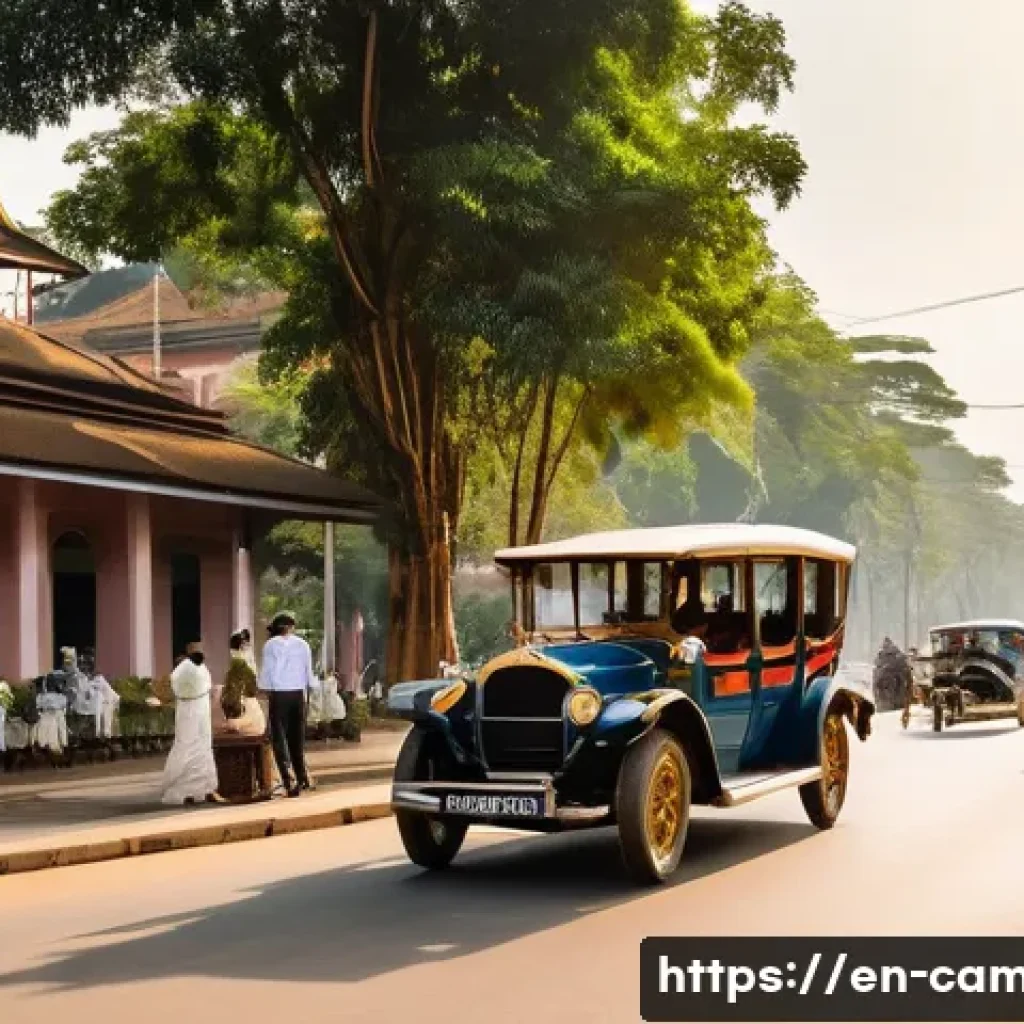
Cambodia’s history as a French colony is a fascinating chapter that shaped much of its modern identity. From the late 19th century until the mid-20th century, French influence permeated Cambodian society, culture, and architecture, leaving lasting impressions that are still visible today.
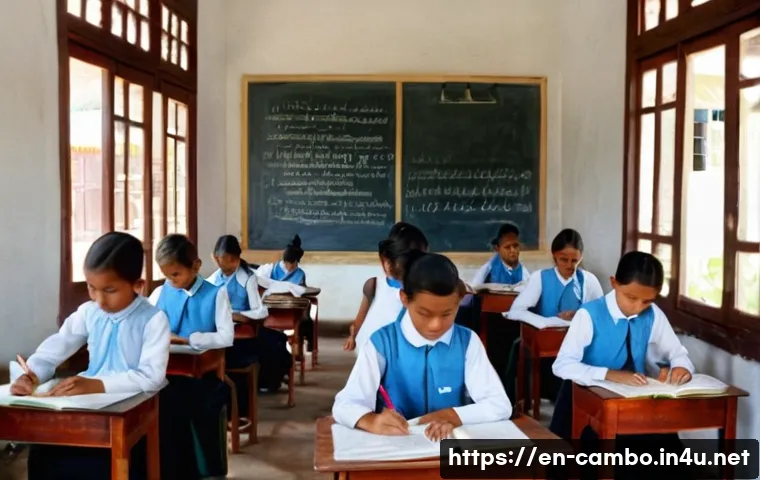
This period brought both challenges and opportunities, as Cambodia navigated the complexities of colonial rule and its own traditions. Understanding this era provides valuable insights into the country’s development and resilience.
Let’s dive deeper to uncover the true impact of French colonialism on Cambodia!
The Transformation of Cambodian Urban Life under French Rule
Urban Planning and Infrastructure Development
The French colonial administration introduced a wave of urban modernization to Cambodia, particularly in Phnom Penh, which was transformed from a traditional riverside village into a bustling capital city.
Streets were widened and laid out in a grid pattern, a stark contrast to the organic, winding lanes that characterized pre-colonial settlements. The construction of bridges, roads, and railways connected Phnom Penh more effectively to other parts of Indochina, facilitating trade and movement.
I remember walking through the old quarters where colonial villas still stand, and it’s striking how this planning laid the foundation for the city’s modern layout.
This infrastructure boom was not only about aesthetics but also about establishing administrative control and boosting economic activities.
French Architectural Influence and Cultural Fusion
French colonial architecture brought a distinct European flair to Cambodia’s urban centers. You’ll find charming examples of Art Deco and neoclassical styles blended with traditional Khmer motifs, creating a unique architectural heritage.
These buildings housed government offices, schools, and residences, signaling the imposition of French cultural norms and governance. Visiting these sites today, it’s evident how this fusion shaped Cambodia’s identity—offering a visual narrative of colonial influence intertwined with local traditions.
The grand boulevards lined with colonial facades still evoke that era’s complex blend of power and cultural exchange.
Social Changes and New Urban Classes
The colonial period witnessed significant shifts in Cambodian social structures, especially within cities. A new urban elite emerged, often educated in French institutions, who played a pivotal role in bridging Cambodian traditions and modernity.
This class included bureaucrats, merchants, and professionals who navigated both worlds, sometimes acting as intermediaries between the colonial government and local populations.
At the same time, rural migration to cities increased as people sought opportunities linked to the colonial economy. This urbanization process changed family dynamics and social interactions, introducing new challenges but also fostering a more cosmopolitan environment.
Economic Shifts and Colonial Exploitation
Introduction of Cash Crops and Plantation Economy
The French colonial administration shifted Cambodia’s economy towards the production of export-oriented cash crops like rubber, rice, and sugarcane. Large plantations were established, often managed by French companies or local elites collaborating with the colonial regime.
While this created some employment opportunities, it also disrupted traditional subsistence farming and land use patterns. From personal accounts and historical data, it’s clear that many peasants faced exploitation, losing access to ancestral lands or being forced into labor under harsh conditions.
This economic transformation deeply affected rural livelihoods and contributed to social unrest in certain regions.
Infrastructure to Support Economic Exploitation
To facilitate the export economy, the French invested heavily in transportation infrastructure. Railways and river ports were expanded to move goods efficiently to markets abroad.
The Mekong River, already vital for local trade, became a strategic artery for colonial commerce. I recall reading about how the French built roads that connected plantations directly to Phnom Penh’s port, bypassing traditional trade routes controlled by local merchants.
This reorientation of trade networks often marginalized indigenous economic systems but integrated Cambodia more firmly into the global capitalist economy of the time.
Economic Legacy and Post-Colonial Impact
The colonial economic policies left a mixed legacy. On one hand, they introduced modern agricultural techniques and infrastructure that laid the groundwork for future development.
On the other, they entrenched inequalities and created dependencies on volatile global markets. After independence, Cambodia struggled to balance these inherited structures with national aspirations for self-sufficiency and social justice.
In conversations with experts and locals, it’s evident that this economic history still influences Cambodia’s rural and urban divides, shaping contemporary challenges and opportunities.
Education and Cultural Exchange during the Colonial Era
French-Style Education and Language Policies
The French established schools that promoted their language and culture, targeting mainly the elite and urban populations. Learning French became a symbol of status and access to administrative positions, while Khmer language and traditional education systems were often sidelined.
I’ve encountered stories from Cambodians whose grandparents attended these schools, describing how French literature and history classes opened doors but also distanced them from indigenous knowledge.
This created a bilingual, bicultural class that would later play a key role in Cambodia’s political and intellectual life.
Impact on Cambodian Arts and Literature
The colonial period was a time of both preservation and innovation in Cambodian arts. While traditional forms like classical dance and temple carvings were promoted as symbols of national identity, French influence introduced new artistic techniques and ideas.
Writers and artists experimented with blending Western styles with Khmer themes, creating a rich cultural dialogue. Visiting museums and galleries today, one can see artifacts and artworks reflecting this era’s dynamic cultural exchange, illustrating how colonialism was not just an imposition but also a complex interaction between cultures.
Resistance and Adaptation through Education
Education was also a site of resistance. Many Cambodians used their colonial education to critique and challenge French authority, nurturing nationalist sentiments.
Figures educated in French institutions later became leaders in the independence movement. This dual role of education—as a tool of control and a means of empowerment—is a fascinating aspect of Cambodia’s colonial history.
From my research, it’s clear that the legacy of this era’s education system shaped the intellectual foundations of modern Cambodia.
Religious and Social Dynamics under Colonial Influence
Relationship between Buddhism and French Authorities
Buddhism, as the dominant religion, remained central to Cambodian life throughout the colonial period. The French generally adopted a policy of indirect rule, respecting religious institutions to maintain social stability.
However, they also sought to regulate monastic education and clerical authority, sometimes causing tensions. I’ve found that monks often acted as community leaders and intermediaries, navigating the delicate balance between tradition and colonial demands.
This interplay influenced both religious practice and political developments during the era.
Changes in Social Hierarchy and Community Life
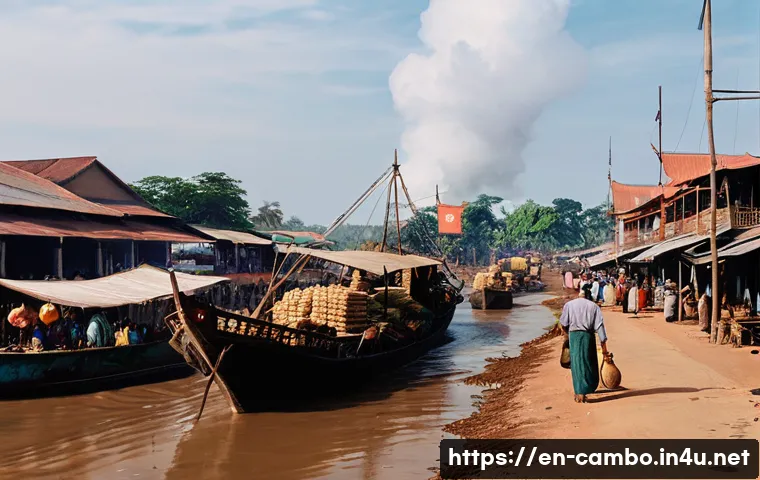
French colonial policies altered traditional social hierarchies by introducing new legal frameworks and administrative positions. Village chiefs and local elites were co-opted into the colonial system, which sometimes undermined customary authority.
At the same time, colonial taxation and land policies affected communal land ownership and social cohesion. Speaking with historians, it becomes clear that these changes disrupted long-standing social norms, contributing to shifts in community dynamics that reverberate to this day.
Introduction of Western Medicine and Public Health
The colonial administration introduced Western medical practices and public health initiatives, aiming to control diseases and improve labor productivity.
Hospitals and clinics were established primarily in urban areas, benefiting colonial personnel and elites. I’ve heard accounts of rural populations being skeptical of Western medicine initially, blending it with traditional healing practices.
Over time, this fusion contributed to improvements in health outcomes, though access remained uneven. The legacy of these health policies laid the foundation for Cambodia’s modern healthcare system.
Political Structure and Governance during the Protectorate Period
French Administration and Cambodian Monarchy
Under the protectorate system, the French maintained the Cambodian monarchy as a symbolic institution while exercising real power through colonial administrators.
The king’s role became largely ceremonial, with French officials controlling legislation, taxation, and foreign relations. This dual system created a complex political landscape where traditional authority and colonial power coexisted uneasily.
From what I’ve studied, this setup was intended to legitimize French rule but also sowed seeds of nationalist discontent.
Local Governance and Bureaucracy
The French introduced a bureaucracy staffed by both French officials and educated Cambodians, responsible for implementing colonial policies at regional and local levels.
This structure aimed to extend control while exploiting local knowledge and networks. I’ve read about how this often led to tensions between colonial interests and local customs, with officials caught between competing demands.
The administrative framework established during this period influenced Cambodia’s post-independence government organization.
Resistance Movements and Political Awakening
Despite the colonial grip, various resistance movements emerged, ranging from peaceful advocacy to armed rebellion. Educated elites, monks, and rural communities all participated in opposing French domination.
The political awakening during this period laid the groundwork for Cambodia’s eventual independence in 1953. Personal narratives and historical records highlight the courage and resilience of Cambodians who challenged colonial authority, making this era a critical chapter in the nation’s political evolution.
Legacy of French Colonialism in Contemporary Cambodia
Architectural and Cultural Heritage Preservation
Many colonial-era buildings still stand, serving as poignant reminders of Cambodia’s complex past. Efforts to preserve this heritage face challenges from urban development pressures and limited resources.
I’ve visited Phnom Penh’s French Quarter and witnessed both the charm and decay of these structures, which attract tourists and historians alike. Preserving this architectural legacy is not just about nostalgia but about understanding the layers of Cambodian identity shaped by colonialism.
Influence on Language and Education Systems Today
French remains a secondary language in Cambodia, particularly among older generations and in diplomatic circles. The education system still reflects some colonial-era structures, with French-language schools and curricula existing alongside Khmer-based education.
From conversations with educators, it’s clear that French influence persists, albeit diminished, and contributes to Cambodia’s engagement with Francophone countries and global networks.
Economic and Social Challenges Rooted in Colonial History
The socioeconomic disparities and land issues originating in the colonial period continue to affect Cambodia. Rural poverty, uneven development, and governance challenges can trace their roots back to policies and systems introduced under French rule.
Understanding this historical context is crucial for addressing contemporary problems. I’ve found that development experts emphasize the importance of acknowledging colonial legacies when crafting policies to promote inclusive growth and social justice.
| Aspect | French Colonial Impact | Contemporary Legacy |
|---|---|---|
| Urban Development | Modern city planning and infrastructure introduction, European architectural styles | Continued use of colonial-era roads, preservation of French Quarter buildings |
| Economy | Shift to cash crops, plantation economy, export-oriented infrastructure | Ongoing rural-urban divide, dependence on agricultural exports |
| Education | French language schools, elite education, cultural assimilation | French as secondary language, bilingual education systems |
| Political Structure | Protectorate with symbolic monarchy, colonial bureaucracy | Legacy of administrative divisions, political nationalism roots |
| Religion and Society | Regulation of Buddhism, social hierarchy changes | Enduring religious influence, social stratification issues |
| Healthcare | Introduction of Western medicine and public health programs | Foundation of modern healthcare infrastructure |
Conclusion
The French colonial period left a lasting imprint on Cambodia’s urban landscape, economy, education, and social fabric. While modernization brought new opportunities, it also introduced challenges that still resonate today. Understanding this complex history helps us appreciate Cambodia’s unique blend of tradition and modernity. Reflecting on these transformations highlights the resilience and adaptability of the Cambodian people throughout their journey.
Useful Information to Know
1. French colonial urban planning transformed Phnom Penh from a riverside village into a structured modern city with wide streets and improved infrastructure.
2. The introduction of French architectural styles blended with Khmer traditions created a distinctive cultural and historical heritage still visible today.
3. Colonial economic policies focused on cash crops and export infrastructure, which reshaped Cambodia’s rural and urban economic dynamics.
4. French education fostered a bilingual elite that played a key role in Cambodia’s political and cultural development, while also sparking nationalist movements.
5. The colonial era’s social and religious changes, including the regulation of Buddhism and introduction of Western medicine, influenced Cambodia’s contemporary societal structures.
Key Takeaways
The French colonial era in Cambodia was a period of profound transformation marked by both progress and exploitation. Urban modernization and infrastructure development laid the groundwork for today’s cities, but these advances came alongside economic and social inequalities. Education under French influence created a new intellectual class that helped drive independence efforts. Religious and social dynamics were carefully managed to maintain control, yet also allowed for cultural resilience. Recognizing these intertwined legacies is essential for understanding Cambodia’s ongoing development and challenges in the modern era.
Frequently Asked Questions (FAQ) 📖
Q: How did French colonial rule influence Cambodian architecture?
A: French colonial rule left a distinct mark on Cambodian architecture, blending traditional Khmer styles with French colonial designs. During this period, many buildings in Phnom Penh and other cities featured elegant balconies, arched windows, and ornate facades that combined European aesthetics with local materials.
Personally, when I visited Phnom Penh, I was struck by how these colonial-era buildings coexist with ancient temples, creating a unique urban landscape that tells the story of Cambodia’s layered history.
Q: What were some of the challenges Cambodia faced under French colonialism?
A: Cambodia experienced several challenges under French rule, including economic exploitation, loss of sovereignty, and cultural disruption. The French administration controlled much of the country’s resources and imposed policies that prioritized their interests, often sidelining local needs.
However, Cambodia’s resilience shone through as it maintained its monarchy and cultural traditions despite these pressures. From what I’ve read and seen, this era was a complex mix of oppression and adaptation, shaping Cambodia’s national identity in profound ways.
Q: Did French colonialism bring any positive changes to Cambodia?
A: Yes, despite its drawbacks, French colonialism introduced some modern developments that had lasting benefits. The French established infrastructure like roads, railways, and schools, which helped modernize Cambodia’s economy and education system.
For example, the introduction of the French language and new administrative systems laid groundwork for Cambodia’s integration into the global community.
Having studied this period, I believe these changes were double-edged, but they did provide tools that Cambodia later used to build its post-colonial future.