Hey there, fellow explorers and culture enthusiasts! If you’re anything like me, you’ve probably grown a little tired of the same old tourist traps and picture-perfect Instagram spots that frankly, don’t tell the full story.
I’ve spent years chasing authentic experiences, the kind that truly connect you with a place and its people, and let me tell you, it’s a game-changer.
There’s a whole world out there just waiting to be uncovered, beyond the guidebooks and glossy brochures, where the real magic happens. We’re talking about places where ancient traditions blend with vibrant modern life, where every corner holds a surprise, and where you leave feeling genuinely richer, not just in souvenirs, but in spirit.
This isn’t just travel; it’s a journey into the heart of what makes our planet so utterly fascinating, often touching upon critical environmental shifts and the incredible resilience of communities.
Now, imagine a place where the rhythm of life is dictated by the pulse of a massive, living lake, a natural wonder unlike any other. I’m talking about Tonlé Sap in Cambodia, a breathtaking inland sea that literally breathes with the seasons, swelling and shrinking to sustain an entire ecosystem and thousands of floating communities.
From my personal visits, I can tell you there’s a unique magic to witnessing daily life unfold on its ever-shifting waters, a vibrant tapestry of culture and resilience.
It’s an incredible spectacle of nature and humanity coexisting in a way that truly captivates the soul. Let’s peel back the layers and uncover the fascinating truths of Tonlé Sap right here.
Unveiling the Rhythmic Heart of Cambodia
There’s something truly mesmerizing about a place that fundamentally changes with the seasons, not just subtly, but dramatically. Tonlé Sap is exactly that, a living, breathing entity that transforms from a modest river to a vast inland sea, swallowing up vast swathes of land and then receding, leaving behind fertile plains. I remember my first visit during the wet season, the sheer scale of the water was breathtaking, stretching as far as the eye could see. It felt like standing on the shore of an ocean, yet knowing it was all freshwater, fed by the Mekong. This incredible phenomenon, powered by the annual monsoon, dictates everything here – the agriculture, the fishing, and the very rhythm of life for the communities that call its banks home. It’s not just a lake; it’s a vital artery, a dynamic force of nature that has shaped the history and culture of Cambodia for millennia. Witnessing this incredible hydrological dance really makes you appreciate the raw power of our planet and how humans adapt to live in harmony, or sometimes, in tension, with it. The way the water levels fluctuate can be a blessing, bringing life-sustaining resources, but also a formidable challenge, requiring constant adaptation and resilience from those who depend on it.
The Monsoon’s Embrace: A Seasonal Spectacle
Imagine a river that flows upstream for half the year! That’s precisely what happens with the Tonlé Sap. As the Mekong River swells with monsoon rains, its sheer volume reverses the flow of the Tonlé Sap River, pushing water into the lake and expanding its size by nearly five times. This annual reversal is an ecological marvel, creating an expansive nursery for fish and enriching the surrounding floodplains with nutrient-rich sediment. From what I’ve experienced, this period is when the lake truly comes alive, bustling with activity, as fishing communities prepare for the bountiful harvest. It’s a testament to nature’s incredible ingenuity, a complex ballet of water and life that sustains millions. It’s a dynamic system, constantly shifting, which keeps you on your toes and makes every visit a little different, depending on the time of year. I particularly love seeing the vibrant green rice paddies emerge as the water recedes, painting a whole new landscape.
Living with the Tides: Adaptive Communities
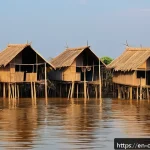
The communities around Tonlé Sap have mastered the art of living with this ever-changing environment. Their homes, schools, and even markets are often built on stilts or float directly on the water, adapting to the dramatic shifts in water levels. It’s truly inspiring to see how ingeniously they’ve designed their lives around nature’s unpredictable cycles. I’ve personally seen houses that appear to be on solid ground in the dry season become floating islands just a few months later, connected by rickety bamboo bridges or small boats. This constant adaptation isn’t just about survival; it’s a deeply ingrained way of life that reflects their intimate understanding of the lake. They don’t just live *on* the lake, they live *with* it, anticipating its moods and movements, much like a seasoned sailor reads the sea. This deep connection to their environment is something we often lose in our modern, fixed-structure societies, and it offers a powerful lesson in resilience and resourcefulness.
Life Afloat: A Tapestry of Resilience and Tradition
Stepping onto a boat and navigating through the floating villages of Tonlé Sap is like entering an entirely different world. You quickly realize that “land” is a foreign concept here; life happens on the water. Houses, schools, churches, and even pig pens are all buoyant, rising and falling with the lake’s breath. The sheer ingenuity of these communities is astounding. Children paddle small wooden boats to school, women tend to floating gardens, and fishermen cast their nets just outside their front doors. There’s a palpable sense of community, a shared understanding of their unique existence, and a deep reliance on one another. I remember seeing a group of kids, no older than seven or eight, expertly maneuvering their tiny boats, their laughter echoing across the water – a sight that truly sticks with you. It’s a powerful reminder that human beings can create vibrant, functional societies even in the most unconventional settings. Their daily routines, their celebrations, their very identities are inextricably linked to the ebb and flow of this incredible lake. It’s a challenging life, no doubt, but one filled with a spirit of enduring optimism and practical wisdom passed down through generations.
The Daily Rhythm: From Dawn to Dusk on the Water
A typical day in a floating village begins early, with the sun painting the sky in hues of orange and pink. Fishermen are already out, checking their traps and nets, while women prepare meals over small stoves, the aroma of fresh fish and rice wafting across the water. Children, after their morning chores, might head off to a floating school, their excited chatter carried on the gentle currents. Trade happens from boat to boat, with vendors selling everything from vegetables and snacks to fuel and household goods. It’s a bustling, vibrant economy that operates entirely on the water. I’ve spent hours just watching the ebb and flow of daily life, captivated by the intricate dance of boats and the constant hum of activity. There’s a particular beauty in how self-sufficient these communities are, creating everything they need within their watery world. Observing their routines made me truly reflect on the simplicity and effectiveness of their resourcefulness, a stark contrast to the complexities of urban living.
Cultural Threads: Traditions Woven into the Waterscape
The cultural traditions of the people living on Tonlé Sap are as rich and intricate as the fishing nets they cast. Their festivals, ceremonies, and daily customs are all deeply intertwined with the lake and its resources. Weddings might involve a procession of decorated boats, and religious ceremonies often take place with offerings made to the water spirits. The strong bonds within families and between neighbors are evident in their communal living arrangements and shared resources. I’ve noticed a profound respect for nature, particularly the lake itself, which is seen not just as a provider but as a sacred entity. This deep-rooted spirituality and reverence for their environment truly resonates, offering insights into a harmonious way of life that many of us in the developed world have perhaps lost touch with. It’s not just about surviving; it’s about thriving culturally, nurturing their unique identity against a backdrop of constantly moving water.
Nature’s Masterpiece: The Enduring Ecosystem
The Tonlé Sap is a biodiversity hotspot, a vibrant ecosystem teeming with life. Its seasonal flooding creates an unparalleled breeding ground for fish, making it one of the most productive inland fisheries in the world. Beyond fish, it’s a sanctuary for a staggering array of bird species, including many endangered waterfowl, and a habitat for various reptiles and mammals. The flooded forests, submerged during the wet season, provide crucial shelter and feeding grounds for these creatures, acting as nature’s own nurseries. It’s a delicate balance, one that has evolved over millennia, and witnessing this intricate web of life firsthand is nothing short of awe-inspiring. During a peaceful boat ride, I remember seeing several rare birds gracefully take flight, and feeling an almost primal connection to this untouched wildness. The sheer richness of species here is a testament to the lake’s unique hydrological cycle and its critical role in the region’s ecological health. It’s a vital lung for the entire Mekong basin, playing an indispensable role in maintaining the health of surrounding terrestrial and aquatic environments. My personal experience navigating through these quiet, ancient waterways, dotted with vibrant flora and fauna, truly underscored the immense ecological value of this site.
A Fishery Unlike Any Other: Sustaining Millions
The Tonlé Sap fishery is the lifeblood for millions of Cambodians, providing a significant portion of their protein intake and livelihoods. The annual influx of water from the Mekong brings with it an explosion of fish species, which then breed and mature in the lake’s rich, flooded forests. This natural bounty has sustained generations, shaping their diets, economies, and cultural practices. However, this crucial resource is increasingly under pressure from overfishing, climate change, and upstream dam developments. I’ve spoken to local fishermen who recounted tales of abundant catches in their youth, lamenting the dwindling numbers today, which truly hit home the precarious balance of this ecosystem. Their stories were poignant reminders that while the lake is incredibly resilient, it is not limitless, and careful management is vital for its future. The challenge lies in balancing the needs of a growing population with the sustainable management of this vital natural resource, ensuring its productivity for generations to come. It’s a stark reminder of the global interconnectedness of our environmental challenges.
Avian Wonders: A Birdwatcher’s Paradise
For bird enthusiasts, Tonlé Sap is an absolute dream. The vast wetlands and flooded forests provide a haven for an incredible diversity of avian species, both resident and migratory. From the majestic Painted Storks and Spot-billed Pelicans to various species of egrets, herons, and raptors, the sky and waterways are alive with feathered inhabitants. Prek Toal Bird Sanctuary, in particular, is a globally important breeding ground for several endangered large waterbirds. My personal experience visiting the sanctuary was nothing short of magical; being in the presence of so many magnificent birds in their natural habitat felt incredibly privileged. It’s a powerful testament to the lake’s ecological significance and the ongoing conservation efforts. The sight of thousands of birds taking flight at once, a symphony of squawks and wingbeats, is a memory that will forever be etched in my mind, a truly humbling display of nature’s grandeur. It made me realize just how crucial these untouched habitats are for the survival of so many species facing increasing threats elsewhere.
Navigating the Waters of Change: Challenges and Hopes
While Tonlé Sap is a wonder of nature, it’s also facing significant environmental and socio-economic challenges that threaten its delicate balance and the livelihoods of its communities. Climate change, with its unpredictable weather patterns, poses a major threat, altering the timing and intensity of the monsoons that are so crucial to the lake’s hydrological cycle. Upstream dam construction on the Mekong River also impacts the natural flow of water and sediment, potentially reducing the lake’s annual expansion and its fish productivity. Overfishing, driven by a growing population and economic pressures, further strains the already stressed fishery. I’ve heard heartfelt concerns from locals about these changes, their worries about the future of their children and their traditional way of life. It’s a complex web of interconnected issues, and finding sustainable solutions requires a concerted effort from local communities, the Cambodian government, and international organizations. But despite these formidable challenges, there’s also a strong sense of hope and a growing awareness of the need for conservation and sustainable practices. The resilience of the people, coupled with dedicated efforts to protect this unique ecosystem, offers a glimmer of optimism for its future. I find myself constantly thinking about how we, as global citizens, can contribute to preserving such vital, yet vulnerable, places.
Environmental Crossroads: Facing Modern Pressures
The environmental pressures on Tonlé Sap are multifaceted and pressing. From plastic pollution marring its pristine waters to the increasing threat of invasive species, the ecosystem is under constant assault. Deforestation in the surrounding areas exacerbates erosion, leading to increased sedimentation in the lake, which can impact fish breeding grounds. The delicate balance of the flooded forests, crucial for the lake’s productivity, is also being disturbed. For me, seeing plastic waste intertwined with lush water hyacinths was a stark and saddening sight, a jarring contrast to the natural beauty. It’s a stark reminder that our global consumption habits have far-reaching consequences, even in seemingly remote corners of the world. Addressing these issues requires a holistic approach, encompassing improved waste management, sustainable land use practices, and robust conservation initiatives. The stakes are incredibly high, not just for the lake itself, but for the millions of people whose lives are inextricably linked to its health.
Empowering Communities: Pathways to a Sustainable Future
Amidst the challenges, there are inspiring efforts underway to empower local communities and build a more sustainable future for Tonlé Sap. Projects focused on environmental education, promoting sustainable fishing practices, and developing alternative livelihoods are gaining traction. These initiatives aim to reduce pressure on the lake’s resources while improving the quality of life for its inhabitants. I’ve personally seen how vital these programs are, providing practical skills and fostering a sense of ownership over their environment. Supporting responsible tourism, for instance, can provide economic alternatives to traditional fishing, encouraging conservation by making the lake’s health economically beneficial. It’s about giving the people who know the lake best the tools and knowledge to be its best stewards. Their active participation and traditional knowledge are indispensable in crafting solutions that are both effective and culturally appropriate. This kind of grassroots empowerment is, in my opinion, the most promising path forward for preserving this unique natural and cultural heritage.
Beyond the Surface: Connecting with Local Souls
For me, the most enriching part of any travel experience is connecting with the people who call a place home. On Tonlé Sap, this is particularly true. The residents of the floating villages are incredibly welcoming, resilient, and possess a deep well of knowledge about their unique environment. Engaging with them, even through simple gestures or shared smiles, offers insights far beyond what any guidebook could provide. I vividly recall a moment when a local woman, seeing my fascination with her intricate weaving, invited me into her home to show me the process. It was a spontaneous act of kindness that left a profound impression on me, a genuine human connection that transcended language barriers. These interactions are where the true magic of travel lies, allowing you to peel back the layers and understand the soul of a place through its people. It’s about listening to their stories, respecting their traditions, and appreciating their incredible fortitude in adapting to a life on water. Don’t just observe; engage. You’ll leave with a richer understanding and a heart full of unforgettable memories. This personal connection is what makes a trip to Tonlé Sap not just a sightseeing tour, but a transformative journey.
The Art of Hospitality: Welcoming Strangers on Water
The hospitality extended by the residents of Tonlé Sap’s floating villages is truly heartwarming. Despite the challenges they face, there’s an inherent generosity of spirit that shines through. Many communities are increasingly open to respectful visitors, offering glimpses into their daily lives and sharing their unique culture. Whether it’s a shared meal, a friendly wave, or an invitation to observe their crafts, these interactions are invaluable. I’ve always found that a genuine smile and an open mind go a long way in forging these connections. Remember, a simple “hello” (or “Sua s’dei” in Khmer) can open doors to incredible experiences. It’s not about grand gestures; it’s about the small, authentic moments that build bridges between cultures. This genuine warmth from the locals makes you feel like you’re not just a tourist, but a welcomed guest, making your experience far more authentic and memorable. I cherish these informal encounters the most, as they truly reveal the heart of the community.
Learning from the Masters: Traditional Crafts and Livelihoods
Beyond fishing, the communities of Tonlé Sap are also skilled in various traditional crafts that reflect their resourcefulness and artistic flair. From weaving intricate mats and baskets from water hyacinth to crafting small wooden boats, these skills are passed down through generations. Visiting a local workshop or seeing someone at work on their craft offers a fascinating insight into their livelihoods and cultural heritage. Supporting these local artisans by purchasing their handmade goods is not only a wonderful way to take home a unique souvenir but also a direct way to contribute to their sustainable economic development. I personally bought a beautifully woven basket, and every time I look at it, it reminds me of the incredible skill and dedication of the woman who made it. It’s more than just an object; it’s a piece of their story, a tangible link to the incredible lives lived on these waters. These crafts are not just hobbies; they are essential for supplementing incomes and preserving cultural identity.
Crafting Your Own Unforgettable Journey
Planning a trip to Tonlé Sap can feel a bit overwhelming with so many options, but trust me, it’s worth every bit of effort. The key is to approach it with an open heart and a desire for genuine connection rather than just ticking off tourist boxes. There are various ways to experience the lake, from organized boat tours that visit specific villages to more intimate, locally guided excursions that offer a deeper dive into daily life. I’ve found that choosing ethical tour operators who prioritize community benefit and environmental sustainability makes a huge difference, ensuring your visit is a positive one for everyone involved. Think about what truly resonates with you – is it the wildlife, the cultural immersion, or simply the unique landscape? Tailoring your visit to your interests will make it truly unforgettable. Don’t be afraid to ask questions, engage with your guides, and embrace the unexpected. This isn’t a cookie-cutter destination; it’s a place that invites exploration and rewards curiosity. My advice is always to go beyond the popular spots and seek out those more authentic, less-trafficked experiences, because that’s where the real magic happens, where you discover things that aren’t in any brochure. It’s these serendipitous moments that truly define an amazing adventure.
Navigating the Waters: Tour Options and Ethical Choices
When it comes to exploring Tonlé Sap, you’ll find a range of tour options. You can opt for a larger group tour from Siem Reap, which typically includes a visit to one of the more prominent floating villages like Chong Kneas or Kompong Phluk. While these offer a good overview, for a more authentic and less touristy experience, I highly recommend seeking out smaller, locally-run boat tours or those focusing on less-visited villages like Kompong Khleang. Always inquire about their environmental practices and how they support local communities. Ethical tourism means ensuring your money benefits the people who live there, rather than just large corporations. Look for tours that emphasize respectful interaction, minimal environmental impact, and fair wages for local guides. A responsible tour operator will be transparent about these things, and their guides will often be from the communities you visit, offering invaluable personal insights. This conscious choice really elevates your experience, making you feel like you’re part of the solution, not just another footprint.
When to Visit: Seasons and Experiences
The best time to visit Tonlé Sap largely depends on what you want to experience, as the lake transforms dramatically between the wet and dry seasons. The wet season (typically May to October) sees the lake at its fullest, offering vast expanses of water and allowing boats to reach more remote areas and flooded forests. This is when the fishing communities are most active, and the ecosystem is at its most vibrant. The dry season (November to April) reveals more of the land, with floating houses appearing to stand on stilts over dry ground, and different bird species are more easily spotted. Each season offers a unique perspective on the lake’s dynamic nature. I’ve visited during both seasons and found them equally fascinating, just in different ways. If you’re keen on seeing the full grandeur of the “breathing” lake, the wet season is your best bet, but for a closer look at the exposed stilt villages and varied birdlife, the dry season has its own distinct charm. Always check local weather forecasts before you go, and prepare for heat and humidity regardless of the time of year.
A Future on the Water: Preserving a Living Heritage
The future of Tonlé Sap is a topic that weighs heavily on my mind, as it does for many who have witnessed its beauty and vulnerability. Preserving this living heritage, both its ecological wonders and the unique cultures it sustains, is a monumental but essential task. It requires a delicate balance of conservation efforts, sustainable development initiatives, and policies that protect the rights and livelihoods of local communities. Education plays a pivotal role in fostering a new generation of stewards who understand the importance of the lake. International cooperation and support are also crucial in addressing transboundary issues like Mekong River damming and climate change. I hold onto hope that through collective action, innovative solutions, and a deep respect for this incredible natural wonder, Tonlé Sap will continue to thrive for centuries to come. It’s not just about protecting a lake; it’s about safeguarding a way of life, an ecosystem, and a vital part of Cambodia’s soul. Every single one of us who visits has a role to play in advocating for its preservation, understanding that our actions, no matter how small, can contribute to a larger impact. I truly believe that by sharing these stories and raising awareness, we can inspire more people to care and act.
Conservation in Action: Protecting a Precious Resource
Numerous organizations, both local and international, are actively involved in conservation efforts around Tonlé Sap. These initiatives range from establishing protected areas and bird sanctuaries to implementing sustainable fishing practices and promoting environmental education within communities. The goal is to mitigate the impacts of human activity and climate change, ensuring the long-term health of the ecosystem. I’ve been incredibly impressed by the dedication of these groups, working tirelessly to protect species, restore habitats, and educate the public. Their work is a beacon of hope in the face of significant challenges, demonstrating that with commitment and collaboration, positive change is possible. Supporting these organizations, whether through donations or by choosing their ethical tourism partners, is a tangible way to contribute to the lake’s preservation. It’s a fight for biodiversity, for livelihoods, and for the very spirit of a place that truly represents the harmonious, albeit sometimes challenging, coexistence of humanity and nature. Knowing that there are people on the ground making a difference truly gives me a sense of optimism for Tonlé Sap’s future.
The Human Element: Local Voices and Global Impact
Ultimately, the future of Tonlé Sap rests heavily on the voices and actions of the local communities who call it home. Their traditional ecological knowledge, passed down through generations, is an invaluable resource for understanding and managing the lake sustainably. Empowering these communities through education, fair economic opportunities, and participation in decision-making processes is paramount. Their resilience in adapting to change, their deep respect for the environment, and their unwavering spirit are inspiring. As global citizens, our role extends beyond simply visiting; it involves listening to these local voices, understanding their challenges, and advocating for policies that support their sustainable future. What happens to Tonlé Sap has ripple effects far beyond Cambodia’s borders, impacting global biodiversity and demonstrating the interconnectedness of our planet. It’s a powerful reminder that every local action has a global consequence, and by supporting the people of Tonlé Sap, we are contributing to a healthier, more sustainable world for us all. It’s a testament to the fact that environmental stewardship is truly a shared global responsibility.
| Feature | Description |
|---|---|
| Location | Central Cambodia, southeast of Siem Reap. |
| Type | Largest freshwater lake in Southeast Asia, with a unique hydrological system. |
| Seasonal Change | Expands up to 5 times its dry season size during the monsoon, reversing the flow of the Tonlé Sap River. |
| Ecosystem | UNESCO Biosphere Reserve, critical for biodiversity, including numerous fish and bird species. |
| Communities | Home to diverse floating and stilt house villages, largely reliant on fishing. |
| Significance | Provides food and livelihood for millions of Cambodians, vital to the nation’s economy and culture. |
Wrapping Up Our Watery Wonderland Journey
Whew, what a ride, right? Tonlé Sap truly is a place that gets under your skin and stays with you long after you’ve left its shimmering waters. From the mind-bending seasonal shifts that define its very existence to the incredible resilience and warmth of the communities living afloat, it’s a living testament to humanity’s ability to thrive in harmony with nature’s grand design. I genuinely hope this dive into Cambodia’s rhythmic heart has sparked a little wanderlust in your soul. It’s a destination that offers so much more than just stunning scenery; it provides a profound connection to a unique way of life and a powerful lesson in adaptation. My own experiences there have taught me to appreciate the delicate balance of our ecosystems and the incredible spirit of people who call such dynamic environments home.
Useful Information to Know for Your Tonlé Sap Adventure
1. Choosing Your Floating Village: Not all villages offer the same experience. Chong Kneas, while closest to Siem Reap, can be quite touristy. For a more authentic and less crowded experience, consider Kampong Phluk or, even better, Kampong Khleang, which is the largest and farthest from Siem Reap, ensuring a more genuine glimpse into local life and where tourist income often directly benefits the community.
2. Best Time to Visit: The lake transforms dramatically with the seasons. The wet season (June to October, peaking in August) offers a breathtaking view of the lake at its fullest, with extensive flooded forests and active fishing communities. However, the dry season (November to May, particularly November to February) provides clearer skies and lower water levels, making it easier to navigate and observe stilted houses and diverse birdlife.
3. Ethical Tourism Matters: Always opt for tour operators that prioritize community benefit and environmental sustainability. Organizations like Community First Kompong Khleang ensure that your money directly supports the villagers and local projects, like schools and clean water initiatives. Avoid tours that exploit locals or offer “fake schools.”
4. Prepare for the Elements: Regardless of the season, bring comfortable, breathable clothing, strong sun protection (hat, sunglasses, high-SPF sunscreen), and plenty of water. If you’re visiting during the monsoon, waterproof gear and a dry bag for electronics are essential, as sudden, intense downpours are common.
5. Engage Respectfully: Remember that you are a guest in a living community. Be open to genuine interactions, but always be respectful of local customs and privacy. A simple “Sua s’dei” (hello) and an open mind can lead to unforgettable cultural exchanges. Supporting local artisans by purchasing their handmade goods is also a great way to contribute directly to their livelihoods.
Key Takeaways for a Meaningful Visit
Tonlé Sap is more than just Cambodia’s largest freshwater lake; it’s a vital, dynamic ecosystem and the lifeblood for millions, making it a UNESCO Biosphere Reserve. Its unique hydrological cycle, where the Tonlé Sap River reverses flow with the monsoon, creates an incredibly fertile environment for fish and diverse wildlife, sustaining rich cultural traditions in its floating and stilted villages. However, this precious resource faces significant threats from climate change, upstream dam construction on the Mekong, and overfishing. Engaging in responsible and sustainable tourism is crucial to support local communities and ongoing conservation efforts. By choosing ethical tour operators and respecting the environment, visitors can contribute to preserving this natural wonder and its unique way of life for generations to come.
Frequently Asked Questions (FAQ) 📖
Q: What exactly makes Tonlé Sap so unique, and why is it often called the “beating heart of Cambodia”?
A: Oh, where do I even begin with Tonlé Sap’s magic? It’s not just a lake; it’s a living, breathing entity that dramatically transforms with the seasons, which is truly unlike anything else I’ve witnessed.
During the dry season, it’s a respectable size, but when the monsoon rains hit from May to October, the Mekong River’s immense flow actually reverses the current of the Tonlé Sap River, pushing water back into the lake!
This causes Tonlé Sap to swell up to five times its dry-season size, expanding from around 2,500-3,000 square kilometers to a whopping 16,000 square kilometers, and its depth can increase from about 1 meter to up to 9 or even 14 meters in some areas.
This incredible natural phenomenon floods surrounding forests and plains, creating an incredibly rich and fertile ecosystem. This seasonal pulse is why it’s so deeply ingrained in Cambodian life – it literally provides over 60% of the country’s protein intake through its abundant fisheries, and accounts for a significant portion of Cambodia’s annual inland fish catch.
It’s also a UNESCO Biosphere Reserve, a critical breeding ground for over 300 species of freshwater fish, and a haven for numerous bird species, including endangered ones like the Bengal Florican.
The entire rhythm of life for millions of people revolves around this lake, from fishing to agriculture, making it undeniably the “beating heart” of the nation.
It’s a powerful reminder of how intricately nature and human existence can be intertwined.
Q: When is the best time to visit Tonlé Sap to truly experience its wonders, and what kind of activities can I expect?
A: That’s a fantastic question, and honestly, it depends a little on what you’re hoping to see! From my own experiences, both the dry and wet seasons offer completely different, yet equally captivating, perspectives.
If you’re after clearer skies, calmer waters, and a chance to see the floating villages more distinctly, the dry season (November to May) is often recommended.
Especially November to February, when the temperatures are cooler and the lake’s water levels are lower. This makes navigating through the floating villages easier and offers fantastic photography opportunities of daily life against scenic backdrops.
You can really see how the stilted houses tower above the ground, sometimes 10 meters high, revealing their intricate construction. It’s also prime time for birdwatching at places like the Prek Toal Bird Sanctuary, as the receding waters concentrate the birdlife.
However, if you want to witness the lake in its full, swollen glory, mirroring that incredible “breathing” phenomenon, the rainy season (June to October) is when the lake expands dramatically.
While it might mean more rain and some areas might be harder to access, it’s an experience of sheer resilience and adaptation. You’ll see the flooded forests up close and truly grasp the immense scale of the lake’s expansion.
Many people, myself included, find the “peak” of the monsoon, around August, particularly awe-inspiring for witnessing the annual reversal of the waters.
Regardless of when you go, you can expect boat tours through fascinating floating villages like Kampong Phluk, Chong Khneas, or Kampong Khleang. You’ll witness floating schools, markets, and homes, and get a glimpse into a way of life that’s truly unique.
Sunset boat tours are also incredibly memorable, as the lake transforms into a canvas of vibrant colors. Just remember to hire a local guide – their insights make the experience so much richer!
Q: How do the local communities live on Tonlé Sap, and what’s the best way to interact with them respectfully and responsibly?
A: Ah, this is such a crucial question, and it speaks to the heart of what authentic travel is all about. The communities living on Tonlé Sap are truly remarkable.
Imagine entire villages where homes, schools, markets, and even basketball courts literally float on the water or are built on towering stilts, adapting to the lake’s dramatic seasonal changes.
They’ve perfected a way of life that’s intimately connected to the water, relying primarily on fishing for their livelihoods, a tradition passed down through generations.
From what I’ve experienced, their resilience is incredible, but life there is undeniably challenging. Access to clean drinking water, for example, is a daily concern and can be costly.
Education is valued, with children often learning to swim before they walk, and schools are also part of these floating communities. When it comes to visiting, responsible tourism is key.
Sadly, some popular villages, like Chong Khneas, have become a bit of a “tourism trap” where the benefits don’t always reach the community as much as they should.
I always advocate for seeking out tours that are community-first, where your money directly supports the local people. Look for tour operators who work closely with the villagers, employing local staff and reinvesting profits back into the community through initiatives like educational programs or infrastructure improvements.
My personal tip? Engage respectfully. A warm “Sues-dey” (hello) and a genuine smile go a long way.
Be mindful when taking photos, especially of children – always ask permission if you can, or be discreet and respectful. Learn a few basic Khmer phrases; it shows you care.
Avoid giving money directly to children, as it can inadvertently encourage them not to attend school. Instead, support local businesses by buying handicrafts, or contribute to reputable community development projects.
By choosing responsible tourism, we can help these vibrant communities thrive while preserving their unique culture and the delicate ecosystem they call home.
It’s about leaving a positive footprint, and truly connecting with the human spirit that makes Tonlé Sap so special.