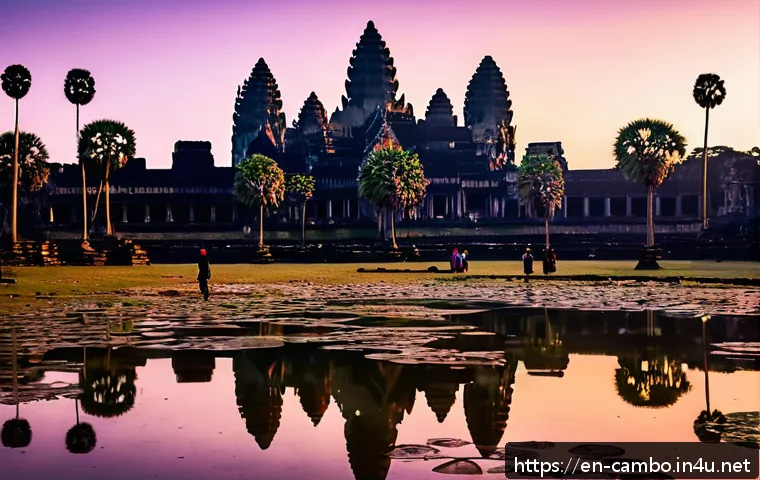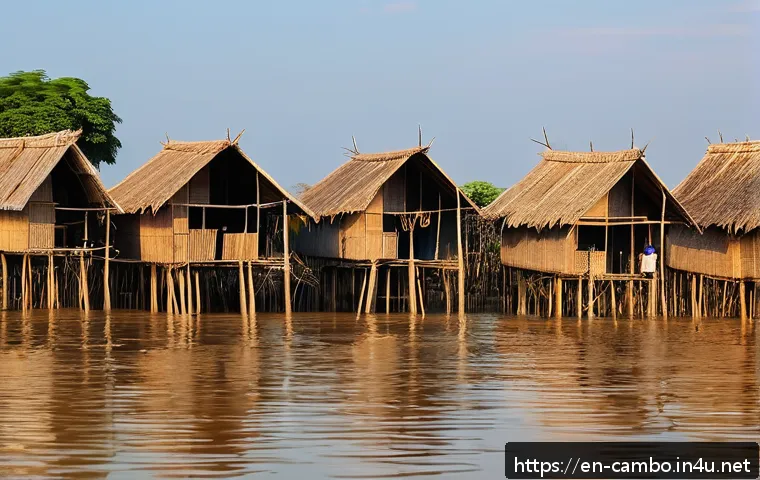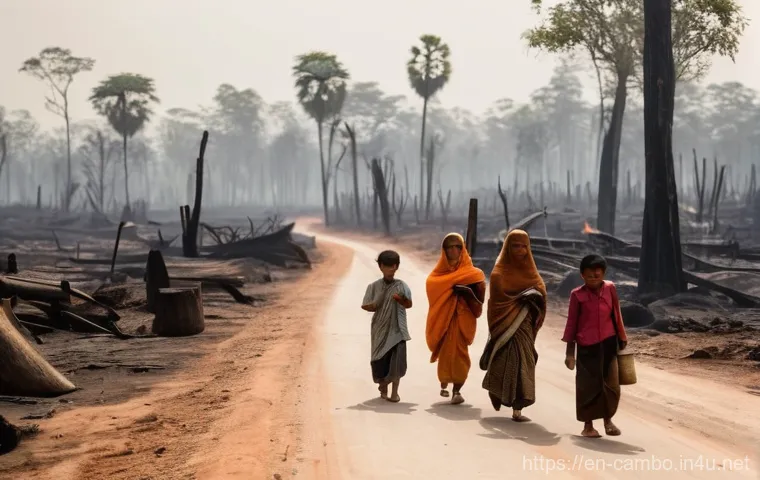
There’s a quiet crisis unfolding in Southeast Asia, one that often escapes the headlines but carries immense weight for our planet and its people. I’ve been keeping a close eye on the devastating wildfires that have been ravaging parts of Cambodia, particularly during its dry seasons, and honestly, it’s heartbreaking to see the impact.
This isn’t just about a few trees burning; it’s a stark indicator of deeper environmental woes, from escalating deforestation pressures to the undeniable grip of climate change making everything worse.
The smoke plumes aren’t just a local problem, either; they contribute to regional haze, affecting air quality and public health across borders. What I’ve personally observed from following these developments is a complex interplay of human activity and natural vulnerability that demands our immediate attention and understanding.
It makes me wonder about the long-term ecological footprint and what future generations will inherit if we don’t address these challenges head-on. Let’s delve into the heart of Cambodia’s environmental struggles and uncover what’s truly at stake.
The Silent Scorch: Unraveling Cambodia’s Wildfire Woes
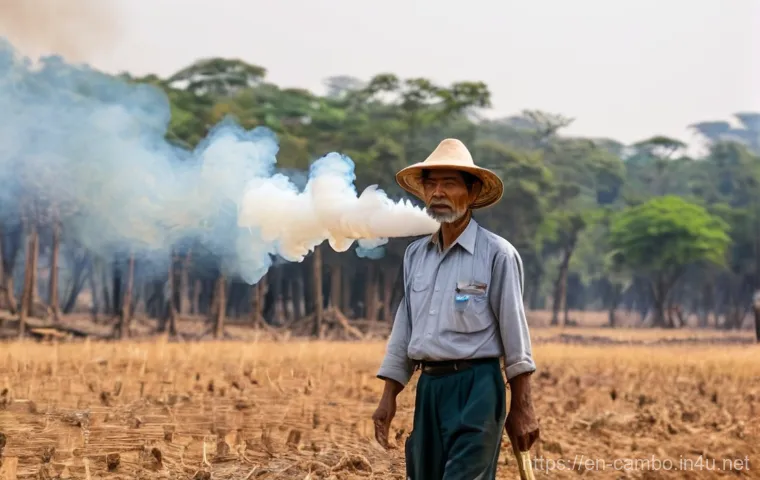
It’s easy to look at news headlines and see broad strokes, but when you dig a little deeper into the environmental challenges facing places like Cambodia, you start to see a really complex picture. The wildfires, especially during the relentless dry seasons, aren’t just isolated incidents; they’re symptomatic of an interconnected web of issues that truly test the resilience of both nature and local communities. I’ve spent a fair bit of time trying to understand the root causes, and what becomes incredibly clear is that there’s no single villain here. We’re talking about a blend of traditional agricultural practices that sometimes get out of hand, vast stretches of forest made vulnerable by years of human encroachment, and the undeniable shadow of a changing climate that makes every spark a potential disaster. The air gets thick with smoke, and you can practically feel the weight of what’s being lost, not just in terms of trees, but the incredible biodiversity that calls these forests home. It’s a sobering thought, and it really makes you pause and consider our global responsibilities.
When Traditional Practices Meet Modern Pressures
One of the core drivers behind many of these fires, as I’ve come to understand, stems from traditional agricultural methods, particularly slash-and-burn farming. For generations, local farmers have used fire to clear land for planting or to rejuvenate fields, a practice deeply embedded in their way of life. However, with increasing population density, shrinking available land, and more unpredictable weather patterns, this age-old technique has become a far riskier gamble. What was once a controlled burn can now, with a strong gust of wind and tinder-dry underbrush, quickly escalate into an uncontrollable inferno. I’ve often wondered about the dilemmas these communities face; they’re simply trying to feed their families, but the environmental costs are becoming astronomical. It’s not a question of blame, but rather a complex situation where traditional livelihoods collide with rapidly changing ecological realities, leaving everyone, and especially the land, in a precarious position.
Deforestation: Fueling the Firestorm
Beyond traditional farming, the specter of deforestation looms large over Cambodia’s environmental crisis. It’s hard to ignore the stark reality: as more forests are cleared, whether for logging, agricultural expansion, or infrastructure development, the land becomes increasingly susceptible to fire. Dense, healthy forests are naturally more resistant to widespread blazes, retaining moisture and creating natural firebreaks. But when these intricate ecosystems are fragmented and degraded, they transform into vast stretches of dry, vulnerable fuel. I’ve personally felt a pang of sadness seeing images of once-lush areas reduced to barren earth, knowing that each lost tree was a small barrier against the very fires now consuming the landscape. It’s a vicious cycle where human activity weakens the environment, making it more prone to destruction, which in turn necessitates even more human intervention, often leading to further degradation.
The Climate Change Conundrum: A Vicious Cycle Unfolding
It’s impossible to talk about the increasing severity and frequency of Cambodia’s wildfires without bringing climate change into the conversation. Frankly, it feels like we’re caught in a terrible feedback loop. Warmer temperatures, extended dry seasons, and more erratic rainfall patterns – these aren’t just abstract scientific predictions anymore; they are the lived reality for millions in Southeast Asia. I’ve seen reports that highlight how these conditions create perfect tinderboxes, turning what might have been manageable small fires into raging infernos that defy containment efforts. My own observations, even from afar, suggest that the dry season now feels longer, harsher, and more intense, pushing the already fragile ecosystems to their breaking point. It’s a sobering thought that the very emissions we produce globally are exacerbating local crises like these, impacting communities far removed from the sources of the problem.
Droughts and Rising Temperatures: The Perfect Recipe for Disaster
When I think about the increasing vulnerability of Cambodia’s forests, the immediate culprits that spring to mind are the prolonged droughts and the persistent rise in average temperatures. It’s a double whammy, really. Less rainfall means vegetation becomes drier, quicker, and more combustible. Couple that with higher ambient temperatures, and you have a landscape primed for ignition. What struck me particularly is how even small fires, which might once have fizzled out, now find ample fuel and conditions to spread rapidly and uncontrollably. I’ve often imagined the stress on local firefighters, battling blazes fueled by conditions that seem to grow more extreme with each passing year. It’s not just about putting out fires; it’s about confronting a landscape that’s fundamentally changing, making firefighting efforts incredibly challenging and often dangerous.
Ecosystemic Breakdown: Losing More Than Just Trees
The true cost of these fires, amplified by climate change, extends far beyond the immediate visible destruction. We’re not just losing trees; we’re witnessing an alarming breakdown of intricate ecosystems. These forests are vital habitats for countless species, many of which are endangered, like Asian elephants, clouded leopards, and various bird species. When their homes burn, their populations dwindle, pushing some closer to the brink of extinction. I’ve often felt a profound sadness picturing these animals fleeing smoke and flames, their ancient migratory paths disrupted, their food sources destroyed. It’s a ripple effect that touches everything from soil quality to water cycles, profoundly altering the natural balance. This ecological devastation, in my opinion, represents an irreplaceable loss, not just for Cambodia but for the entire planet’s biodiversity.
Beyond Borders: The Regional Haze and Public Health Crisis
One of the things that truly brings home the interconnectedness of our world, especially when it comes to environmental issues, is the regional haze phenomenon. When Cambodia burns, the smoke doesn’t just stay put; it travels, often blanketing neighboring countries in a thick, choking smog. I’ve seen pictures and reports of this haze affecting air quality in places like Thailand and Vietnam, disrupting daily life and posing serious health risks. It’s a stark reminder that environmental problems rarely respect national boundaries. What starts as a local blaze quickly transforms into a regional public health crisis, impacting millions who have no direct connection to the fires themselves. This kind of cross-border pollution really underscores the need for regional cooperation and shared solutions, because no single nation can tackle this problem alone.
Respiratory Ailments on the Rise
The health impacts of this persistent smoke are genuinely concerning, and I’ve heard numerous accounts of people suffering. Imagine breathing in that acrid air day in and day out; it’s a terrifying thought. The fine particulate matter in wildfire smoke can penetrate deep into the lungs, leading to a surge in respiratory ailments like asthma attacks, bronchitis, and other acute respiratory infections. For vulnerable populations – young children, the elderly, and those with pre-existing conditions – it’s an especially grave threat. I often wonder about the long-term health consequences for communities continuously exposed to such poor air quality. It’s not just an inconvenience; it’s a silent assault on public health, placing immense strain on already stretched healthcare systems in the region.
Economic Fallout: Tourism and Livelihoods Threatened
It’s not just human health that suffers; the regional haze also casts a long shadow over the economy, particularly the vital tourism sector. Who wants to travel to a destination when the air is thick with smoke and visibility is poor? I’ve seen how this haze can deter tourists, leading to flight cancellations and a drop in bookings for hotels and tours. For a country like Cambodia, where tourism plays a crucial role in the economy, this can have devastating consequences for countless individuals whose livelihoods depend on it. From tour guides to street vendors, many find their incomes drastically reduced during these hazy periods. It’s a cruel irony that the very natural beauty that attracts visitors is being marred and threatened by these environmental crises.
The Human Toll: Displaced Communities and Food Insecurity
When wildfires rage, the impact on human lives goes far beyond just breathing unhealthy air. I’ve been particularly moved by the stories of communities directly affected, often losing everything to the flames. Imagine your home, your crops, your entire livelihood, vanishing in a puff of smoke. It’s a devastating reality for many families in rural Cambodia who depend directly on the land for survival. This isn’t just about property damage; it’s about the erosion of stability, the forced displacement of people, and the terrifying specter of food insecurity. These aren’t just statistics; these are real people facing immense hardship, struggling to rebuild their lives from scratch. It really makes you appreciate the profound interconnectedness between environmental health and human well-being.
Forced Displacement and the Loss of Home
One of the most heartbreaking consequences of these intense wildfires, for me, is the forced displacement of families. When their homes are engulfed by fire, people are left with nothing but the clothes on their backs. These aren’t wealthy urban dwellers with insurance and support networks; these are often subsistence farmers or forest-dependent communities whose entire existence is tied to their land. I’ve read accounts of entire villages having to evacuate, leaving behind generations of accumulated possessions and memories. The psychological toll of losing your home and community, often repeatedly, must be immense. It raises crucial questions about long-term support and resettlement strategies for these vulnerable populations who bear the brunt of environmental degradation.
Impact on Agriculture and Livelihoods
Beyond homes, the fires decimate agricultural lands, which for many in Cambodia, means their sole source of food and income. Rice paddies, cashew farms, and other vital crops are destroyed, leading directly to food insecurity. What really struck me is the long-term impact: it’s not just the immediate harvest that’s lost, but the soil fertility can be severely degraded, making future cultivation incredibly challenging. This creates a cascade of economic hardships, forcing people into precarious situations, sometimes leading to internal migration or increased poverty. I’ve often thought about the resilience required for these communities to bounce back, year after year, when the very ground they depend on is literally burning beneath their feet.
Charting a Course for Resilience: Sustainable Pathways Forward
While the challenges facing Cambodia due to wildfires and environmental degradation are immense, it’s not a situation without hope. What truly inspires me is seeing the dedication of local and international groups working towards solutions. It’s clear that a multi-faceted approach is needed, one that tackles the immediate threats while also building long-term resilience within communities and ecosystems. From implementing early warning systems to reforesting vast areas with native species, there’s a concerted effort to shift the narrative from despair to proactive conservation. My personal belief is that empowering local communities with knowledge and resources is absolutely key; they are, after all, the frontline stewards of these precious natural resources.
Community Engagement and Fire Management
A cornerstone of building resilience against wildfires, in my opinion, lies in robust community engagement and improved fire management strategies. This means moving beyond just fighting fires when they erupt and instead focusing on prevention. Educating local populations about safer agricultural burning practices, providing alternatives to slash-and-burn, and establishing community-led fire prevention teams are crucial steps. I’ve been particularly impressed by initiatives that involve local villagers in patrolling forest areas, identifying hotspots, and even participating in controlled burns to reduce fuel load. It really highlights how empowering those closest to the land can make the most significant difference. It’s about fostering a sense of shared responsibility and equipping people with the tools and knowledge to protect their environment.
Reforestation and Sustainable Land Use
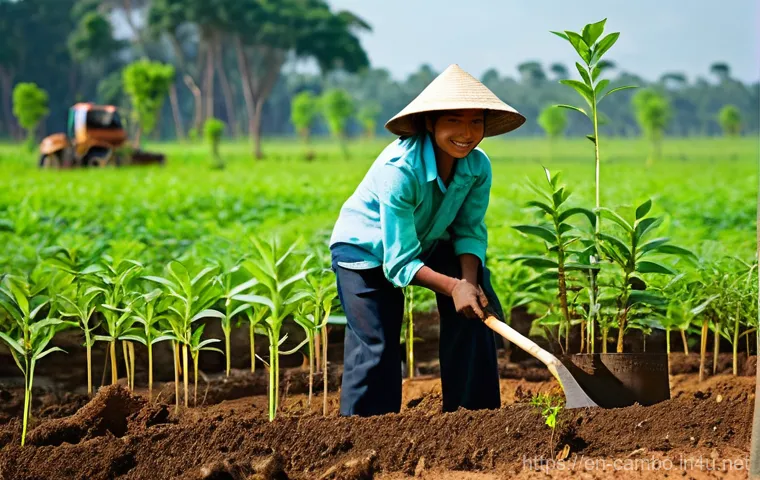
Looking to the future, large-scale reforestation efforts and the promotion of sustainable land-use practices are absolutely vital. It’s not enough to just stop the fires; we need to heal the land that’s already been scarred. Planting native trees, restoring degraded forest areas, and implementing agroforestry systems that integrate trees with crops can help bring back ecological balance. I’ve always found it incredibly hopeful to see new saplings taking root in areas that were once barren and charred. This isn’t just about ecological recovery; it’s also about creating sustainable livelihoods for communities, providing them with alternative income sources that don’t rely on destructive practices. It’s a long game, for sure, but one that offers profound rewards for both people and the planet.
Innovations and Partnerships: Hope on the Horizon
The scale of Cambodia’s environmental challenges can feel overwhelming, but what truly gives me hope are the innovative solutions and collaborative partnerships emerging on various fronts. It’s inspiring to see how technology is being leveraged, how international organizations are stepping up, and how local governments are starting to prioritize environmental protection with renewed vigor. My take is that these collaborations are absolutely essential, bringing together diverse expertise and resources to tackle problems that no single entity could solve alone. It’s a testament to human ingenuity and the collective will to make a positive impact, even in the face of daunting odds.
Leveraging Technology for Early Detection and Monitoring
One area where I see immense potential is in the application of technology for early detection and monitoring of wildfires. Imagine using satellite imagery, drones, and AI-powered analytics to identify nascent fires before they spiral out of control. I’ve heard about systems being piloted that can provide real-time alerts to authorities, drastically reducing response times. This kind of proactive approach, in my view, is a game-changer. It allows resources to be deployed more efficiently, potentially saving vast tracts of forest and countless lives. It’s an exciting frontier in conservation, moving us from reactive firefighting to proactive prevention, and it truly makes me believe in a more resilient future.
International Cooperation and Funding
Addressing complex cross-border issues like regional haze and deforestation absolutely necessitates robust international cooperation and funding. No country can bear this burden alone. I’ve seen positive signs with various international bodies, NGOs, and donor countries providing crucial financial and technical support to Cambodia. This support helps fund everything from reforestation projects and community training to the development of early warning systems and sustainable agriculture initiatives. It’s a powerful reminder that global problems require global solutions, and when nations come together, incredible progress is possible. My hope is that these partnerships continue to strengthen and expand, creating a more secure and sustainable future for Cambodia and the wider Southeast Asian region.
| Environmental Challenge | Key Impacts on Cambodia | Potential Solutions |
|---|---|---|
| Wildfires | Forest destruction, biodiversity loss, air pollution, health issues | Community fire management, early warning systems, responsible burning education |
| Deforestation | Habitat loss, soil erosion, increased fire risk, climate change acceleration | Reforestation programs, sustainable logging, protected areas expansion |
| Climate Change | Prolonged droughts, extreme weather, ecosystem stress, agricultural disruption | Climate-resilient agriculture, renewable energy adoption, global emission reduction |
| Regional Haze | Public health crisis, tourism decline, economic losses, decreased visibility | Cross-border cooperation, strict burning regulations, sustainable land use |
Empowering Local Stewards: A Grassroots Movement for Change
It’s easy to focus on the big-picture issues and governmental policies, but what often gets overlooked, and what I believe is truly the engine of lasting change, is the power of local communities. These are the people who live closest to the land, who understand its rhythms and vulnerabilities intimately. Empowering them with the knowledge, resources, and agency to protect their environment isn’t just a nice idea; it’s an absolute necessity. I’ve found it incredibly inspiring to learn about grassroots initiatives where local villagers are taking direct action, becoming guardians of their own forests, and advocating for sustainable practices. This ground-up approach builds not just environmental resilience, but also social cohesion and economic stability.
Indigenous Knowledge and Modern Conservation
One of the most valuable, yet sometimes underutilized, resources in conservation is indigenous knowledge. Generations of living in harmony with the forest have endowed local communities with profound insights into sustainable practices, ecological indicators, and traditional fire management techniques. My personal belief is that integrating this ancient wisdom with modern scientific conservation methods creates a powerful synergy. It’s not about replacing one with the other, but about combining the best of both worlds. I’ve seen how projects that respect and incorporate local knowledge tend to be more effective and sustainable in the long run, fostering a sense of ownership and relevance among the communities directly involved. It’s a beautiful way to ensure that conservation efforts are culturally sensitive and deeply rooted in the local context.
Economic Alternatives for Forest-Dependent Communities
For many communities, burning forests or engaging in unsustainable logging isn’t a choice born of malice, but of economic necessity. This is why providing viable economic alternatives is a critical component of any sustainable solution. Projects that promote sustainable livelihoods, such as eco-tourism, organic farming, or the cultivation of non-timber forest products, can offer pathways out of poverty without destroying the environment. I’ve often thought about how impactful it can be to empower individuals to become entrepreneurs who thrive by protecting, rather than exploiting, their natural surroundings. When people see a direct benefit in preserving the forest, their incentive to protect it skyrockets. It’s about creating a win-win scenario where both human well-being and ecological health can flourish side by side.
Personal Reflections and a Call to Global Awareness
Having delved into the intricacies of Cambodia’s environmental struggles, especially the harrowing impact of wildfires, it’s impossible not to feel a profound sense of urgency. What I’ve personally taken away from this journey of understanding is that these are not isolated events confined to a distant corner of the world. They are deeply intertwined with global climate patterns, international markets, and our collective human footprint. The smoke that drifts across borders, the loss of biodiversity that impacts our shared planet, and the human suffering endured by vulnerable communities – these are all reminders that we are part of a larger, interconnected ecosystem. It really drives home the point that what happens in one part of the world can and does affect us all.
Our Shared Responsibility
I truly believe that acknowledging this shared responsibility is the first step towards meaningful change. It’s easy to feel overwhelmed by the scale of environmental crises, but every small action, every informed decision, and every voice raised in advocacy contributes to a larger movement. Whether it’s supporting organizations working on the ground in Cambodia, advocating for stronger environmental policies, or simply becoming more conscious consumers, each one of us has a role to play. My hope is that by shedding light on these issues, more people will feel compelled to learn, to care, and most importantly, to act. Because ultimately, the future of Cambodia’s precious forests, and indeed our planet, rests on our collective willingness to make a difference.
Looking Towards a Greener Future
Despite the grim realities, I remain cautiously optimistic. There’s an incredible resilience in nature, and even more so in the human spirit. The dedication of conservationists, the innovation of scientists, and the unwavering commitment of local communities give me genuine hope for a greener future for Cambodia. It won’t be easy, and the path ahead is filled with challenges, but the awareness is growing, the tools are improving, and the collective will to protect our planet is strengthening. I truly believe that by continuing to foster collaboration, empowering local stewards, and pushing for sustainable solutions, we can help Cambodia, and other nations facing similar struggles, move towards a future where their vibrant ecosystems can thrive once again.
Bringing It All Together
Phew, what a journey we’ve taken through the complexities of Cambodia’s environmental landscape. It’s truly eye-opening to see how interconnected everything is, from age-old farming methods to the immense pressures of climate change and even our global consumption patterns.
Reflecting on it all, I really feel a mix of concern for the challenges ahead and a strong sense of hope fueled by the incredible efforts of people on the ground.
It’s a powerful reminder that these aren’t just abstract issues; they impact real lives, real communities, and our shared natural heritage. But remember, awareness is the first step, and by staying informed and supporting sustainable initiatives, we each play a part in writing a more hopeful chapter for Cambodia and our planet.
Let’s keep this conversation going and turn knowledge into action!
Handy Tips for a Sustainable Future
Here are a few actionable insights and useful bits of information that I’ve picked up, which can help us all contribute, even from afar, to a more sustainable world:
- When you’re planning your next vacation, consider looking into eco-tourism options. Choosing tour operators and accommodations that prioritize environmental conservation and community well-being directly supports sustainable practices in places like Cambodia. It’s a wonderful way to experience nature responsibly and ensure your travel dollars make a positive impact.
- Educate yourself about the origins of the products you buy. Understanding supply chains, especially for goods like timber or agricultural products, can help you make more informed choices that don’t inadvertently contribute to deforestation or unsustainable land use. Look for certifications that guarantee ethical sourcing!
- Support organizations and NGOs working on the ground in Southeast Asia. Many dedicated groups are tirelessly implementing reforestation projects, educating local communities on sustainable farming, and advocating for stronger environmental protections. Even small contributions can make a significant difference.
- Consider reducing your carbon footprint. While local issues in Cambodia have unique drivers, global climate change undeniably exacerbates them. Simple actions like conserving energy, opting for public transport, or choosing renewable energy sources contribute to the larger effort to mitigate climate impacts.
- Engage in local advocacy. Talk to your friends, family, and community about environmental issues, both local and global. Raising awareness and advocating for policies that promote sustainability can create a ripple effect, encouraging governments and corporations to adopt greener practices. Every voice truly matters!
Key Takeaways
To sum it all up, the wildfires in Cambodia are a stark symptom of deeper environmental challenges, driven by a complex interplay of traditional agricultural practices, pervasive deforestation, and the undeniable acceleration of climate change. These blazes aren’t just destroying precious forests; they’re unleashing a regional haze that creates a serious public health crisis and devastates local economies, especially the crucial tourism sector. But beyond the ecological and economic fallout, it’s the human toll – the forced displacement of communities and the crushing blow to food security – that truly underscores the urgency of this situation. However, there is a path forward through robust community engagement, sustainable land-use practices, and the clever leveraging of technology for early detection. International cooperation and vital funding are absolutely indispensable, providing a beacon of hope. Ultimately, empowering local stewards and integrating indigenous wisdom with modern conservation efforts are key to fostering resilience and carving out a greener, more secure future for Cambodia’s vibrant ecosystems.
Frequently Asked Questions (FAQ) 📖
Q: What exactly is causing these widespread wildfires in Cambodia, and why do they seem to be getting worse year after year?
A: Oh, this is such a critical question, and one I’ve been wrestling with a lot as I follow the news. From what I’ve observed and gathered, it’s a really tough mix of human actions and an increasingly unpredictable climate.
On one hand, you have deforestation pressures; land is being cleared for agriculture, often through slash-and-burn practices, which can quickly get out of control, especially during the dry season.
Then there’s also the illegal logging, which leaves behind a lot of dry tinder. But what truly makes it worse, and what I feel personally is the biggest accelerator, is the undeniable impact of climate change.
We’re seeing longer, hotter, and more severe dry seasons across Southeast Asia. This means the vegetation is drier for longer, turning vast areas into a perfect fuel load for any spark.
It’s like a vicious cycle: humans create opportunities for fires, and then climate change just amplifies their intensity and spread. It’s heartbreaking to think about the delicate balance that’s being tipped.
Q: Beyond the immediate flames, how do these Cambodian wildfires impact the wider region and even our global environment?
A: That’s where the true gravity of the situation hits home for me. It’s definitely not just a localized problem, not by a long shot. The most immediate and noticeable impact across borders is the regional haze.
I’ve seen reports and photos from neighboring countries like Thailand and Vietnam, where the air quality plunges dramatically due to smoke plumes traveling hundreds of miles.
This isn’t just an aesthetic issue; it’s a serious public health crisis, leading to respiratory illnesses and other health complications for millions of people.
But the ripple effects go even further. Ecologically, these fires obliterate unique biodiversity, destroying habitats for countless species, many of which are already endangered.
And here’s a really sobering thought: these fires release massive amounts of stored carbon into the atmosphere, which then feeds back into climate change, creating an even warmer, drier environment – a terrifying feedback loop.
It’s a stark reminder that environmental issues truly know no borders, and what happens in one corner of the world really does affect us all.
Q: What can be done, or what efforts are currently underway, to help mitigate these devastating wildfires and their long-term effects?
A: This is the hopeful part, where we can actually see some solutions starting to emerge, even if the challenges are huge. From my vantage point, it’s going to take a multi-pronged approach.
Locally, there’s a huge push for better fire management practices, educating communities about controlled burns versus reckless clearing, and implementing early warning systems.
I’ve heard about some incredible local initiatives where villagers are being trained to manage forest resources sustainably, which is just fantastic. On a larger scale, there’s an increasing focus on international cooperation to combat illegal logging and promote sustainable agriculture, which directly tackles some of the root causes of deforestation.
And of course, the big one – addressing climate change. This means global efforts to reduce carbon emissions, transition to renewable energy, and protect existing forests are absolutely crucial.
What I feel personally is that investing in these communities, giving them viable alternatives to destructive practices, and supporting conservation efforts, both big and small, is our best bet for protecting Cambodia’s precious ecosystems for generations to come.
It’s a huge undertaking, but it’s one we absolutely have to commit to.