Hello everyone! As someone who’s always fascinated by emerging markets and the incredible stories unfolding within them, I’ve kept a close eye on Cambodia’s journey, especially its fascinating financial landscape.
It’s truly a dynamic environment, constantly evolving and presenting some seriously interesting opportunities and shifts that frankly, many global investors might be missing out on.
From vibrant digital payment adoption to the robust growth in microfinance, Cambodia is carving out its own unique path in Southeast Asia. I’ve noticed a real buzz around how technology is reshaping traditional banking here, and it’s not just a trend; it’s a fundamental transformation that impacts everyday Cambodians and international players alike.
The nation’s financial sector, once quite nascent, is now experiencing a remarkable surge, driven by increasing financial literacy and a young, digitally-savvy population eager for modern solutions.
I’ve personally seen how innovative fintech solutions are making financial services more accessible, pushing the boundaries of what’s possible in a developing economy.
However, it’s not without its complexities; navigating the regulatory environment and understanding the unique cultural nuances are absolutely key. But trust me, the potential for growth and the impactful changes happening right now are simply too significant to ignore.
If you’re curious about where the real action is, you’re in for a treat. Let’s delve deeper into what’s truly happening on the ground and explore this exciting evolution together!
The Digital Leap: How Fintech is Redefining Access
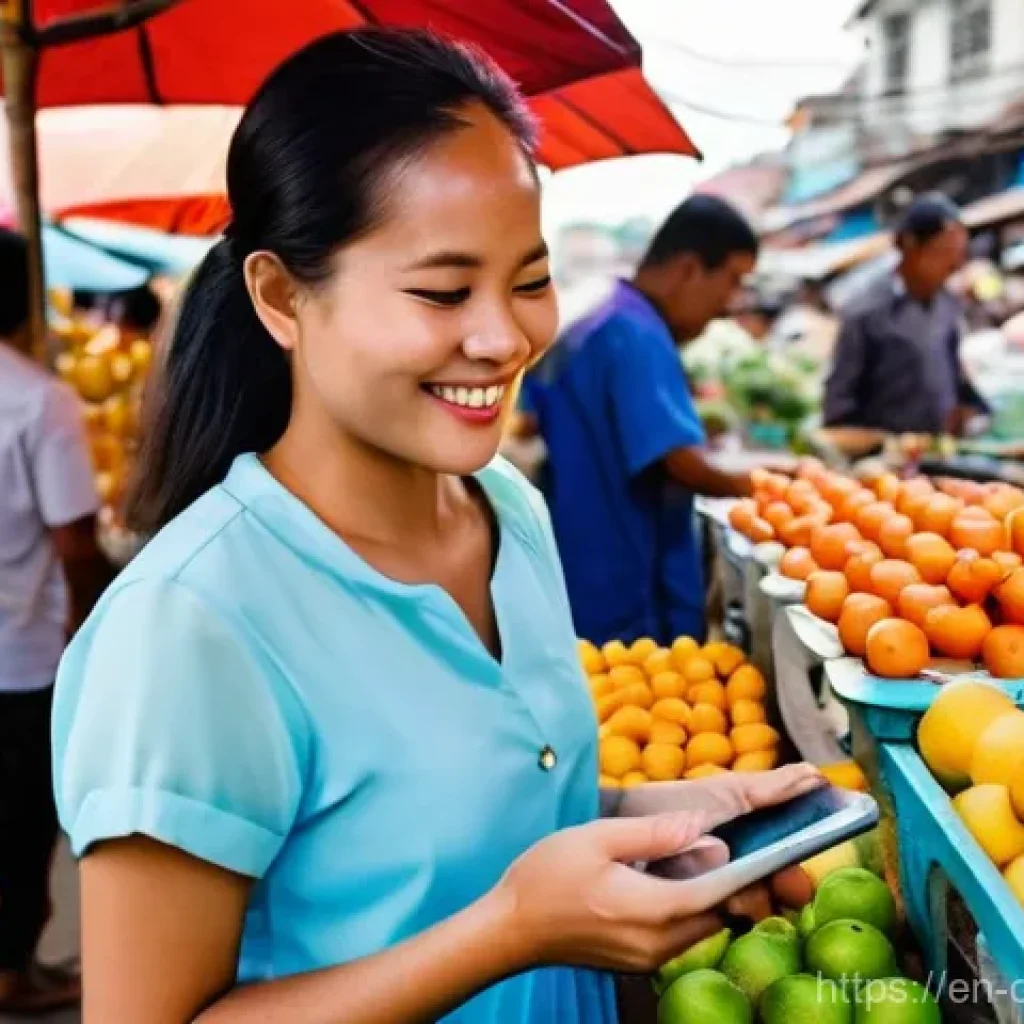
Stepping foot into Phnom Penh these days, it’s truly remarkable how quickly things are changing, especially when it comes to how people handle their money. It feels like just yesterday cash was king, but now, digital payments are absolutely everywhere! I’ve personally seen street vendors and tuk-tuk drivers flashing QR codes for payments, and it’s not just a city phenomenon. This explosion of fintech has democratized financial services in a way that traditional banking simply couldn’t, reaching communities that were once considered ‘unbanked.’ It’s more than just convenience; it’s a powerful tool for financial inclusion, giving millions access to services that were previously out of reach. We’re talking about everything from easy bill payments and money transfers to even accessing micro-insurance products right from a smartphone. The sheer speed of this adoption has impressed me to no end. It’s clear that Cambodia’s young and tech-savvy population has embraced these innovations with open arms, proving that a developing economy can often leapfrog older technologies.
Cashless Living: The Rise of QR Payments
When I first visited Cambodia years ago, carrying enough cash was always a concern, especially in markets. Now, it’s a completely different story. I’ve found myself seamlessly paying for my morning coffee or a fresh coconut using just my phone through QR codes. Bakong, the national payment system developed by the National Bank of Cambodia, has been a game-changer here. It allows inter-operability between various banks and payment service providers, meaning you don’t need to be with the same bank as the merchant to make a payment. This level of integration is something many developed nations are still striving for! It feels incredibly futuristic yet is deeply integrated into daily life. From my observations, it has fostered a sense of trust and efficiency, reducing the reliance on physical cash which, let’s be honest, can be a bit cumbersome and risky at times. This rapid shift highlights Cambodia’s openness to innovation and its determination to build a modern financial infrastructure that serves its people effectively.
Mobile Money’s Impact on Rural Communities
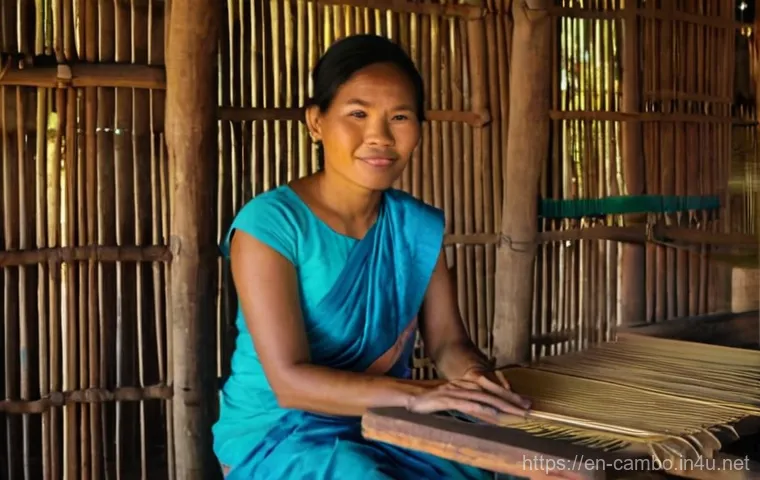
It’s easy to focus on the bustling urban centers, but what truly fascinates me is how mobile money has transformed rural areas. I’ve traveled through some incredibly remote villages where traditional banks simply don’t have a footprint. Yet, thanks to services like Wing, TrueMoney, and AMK, people can send and receive money, pay for goods, and even get their salaries through agents right in their own communities. My personal experience chatting with villagers showed me the profound difference this makes – it saves them long, costly trips to the nearest town just to access basic financial services. This isn’t just about convenience; it’s about empowering individuals and small businesses, fostering economic activity in places where it was once stifled by geographical barriers. The impact on remittances, for example, is huge. Families can receive money from relatives working abroad almost instantly, securely, and at a much lower cost than traditional methods. It’s a testament to how targeted technological solutions can truly uplift an entire population.
Microfinance Marvels: Empowerment from the Ground Up
If there’s one sector that truly embodies Cambodia’s spirit of resilience and growth, it’s microfinance. Having tracked its development over the years, I’ve seen firsthand the transformative power of small loans in this nation. It’s not just about providing capital; it’s about igniting dreams and fostering an entrepreneurial spirit that runs deep within Cambodian culture. The microfinance institutions (MFIs) here aren’t just lenders; they often act as community partners, providing financial literacy training and business advice alongside their credit offerings. This holistic approach is what truly sets them apart and, in my opinion, contributes significantly to their success and impact. While debates around interest rates and over-indebtedness are always part of the conversation, I believe the overall narrative is one of profound positive change, enabling countless individuals to lift themselves and their families out of poverty. It’s a critical component of the financial ecosystem here, filling a gap that commercial banks simply haven’t been able to address at scale.
Small Loans, Big Dreams: A Lifeline for Entrepreneurs
I’ve met so many incredible people in Cambodia whose stories are directly linked to microfinance. Imagine a woman selling fresh produce at a local market, dreaming of expanding her stall; or a young man wanting to buy a sewing machine to start a small tailoring business. Without access to conventional bank loans, these aspirations might remain just dreams. This is where MFIs step in, providing that crucial initial capital, often as little as a few hundred dollars, which can make all the difference. My experience suggests that these small loans, coupled with accessible repayment structures, empower individuals to take control of their economic futures. It’s a powerful model for grassroots development, fostering a vibrant ecosystem of small and medium-sized enterprises (SMEs) that form the backbone of the Cambodian economy. These aren’t just statistics; these are real people building real businesses, creating jobs, and contributing to the prosperity of their communities. It’s truly inspiring to witness the ripple effect of these small investments.
The Ethical Edge: Ensuring Sustainable Growth
Of course, with great power comes great responsibility, and the microfinance sector isn’t without its challenges. I’ve always been keen on understanding how MFIs balance growth with responsible lending practices. What I’ve observed is a growing emphasis on client protection and financial literacy, driven by both regulatory oversight and the institutions themselves recognizing the importance of sustainable development. The National Bank of Cambodia has been quite proactive in setting guidelines to prevent over-indebtedness and promote transparency. For me, it boils down to trust; if clients don’t trust the system, it simply won’t work in the long run. Many MFIs have invested heavily in training their loan officers not just to lend, but to educate, ensuring borrowers understand their commitments and the best ways to utilize their loans. This ethical dimension is something I deeply appreciate, as it shifts the focus from purely profit-driven motives to a more community-centric approach, aiming for long-term well-being rather than short-term gains. It’s a continuous journey, but the commitment to ethical practices is palpable.
Navigating the Regulatory Currents: Opportunities and Challenges
Understanding the regulatory landscape in any emerging market is crucial, and Cambodia is no exception. It’s a dynamic environment, constantly evolving to keep pace with rapid financial innovation and global standards. As an observer, I’ve found that the National Bank of Cambodia (NBC) plays a pivotal role, striving to strike a balance between fostering growth and ensuring stability and consumer protection. They’ve been quite forward-thinking in some areas, like with the Bakong system, but also understandably cautious in others, particularly concerning novel investment vehicles or highly volatile assets. For anyone looking to invest or operate in Cambodia’s financial sector, staying abreast of these regulatory shifts isn’t just good practice; it’s absolutely essential. My conversations with local experts reveal a strong desire to attract foreign investment while simultaneously safeguarding the domestic market from undue risks. It’s a delicate dance, but one that is being executed with increasing sophistication.
The Central Bank’s Vision: Balancing Innovation and Stability
I’ve always been impressed by the NBC’s proactive stance on technology, particularly with their development of the Bakong system. It really shows a commitment to embracing innovation rather than shying away from it. However, they also maintain a very watchful eye on stability, which is exactly what you want from a central bank. They’ve been quite clear about their objectives: promoting financial stability, fostering financial inclusion, and maintaining the value of the national currency. This holistic vision helps explain why certain new financial products or services might face more scrutiny than others. From my perspective, this careful approach builds confidence, both domestically and internationally. It signals that while Cambodia is open for business and keen on modernization, it’s not at the expense of sound financial management. It’s a pragmatic yet progressive stance that has, in my opinion, served the country well in maintaining its economic momentum.
Evolving Frameworks: What Investors Need to Know
For foreign investors eyeing Cambodia’s promising financial sector, understanding the nuances of its evolving regulatory framework is paramount. It’s not a static environment; rules and guidelines are frequently updated to address new market realities and global best practices. For instance, regulations around capital requirements for banks and MFIs have been strengthened, indicating a move towards a more robust and resilient system. I’ve learned that patience and due diligence are key here. Engaging with local legal and financial advisors who understand the intricate details of Cambodian law can save a lot of headaches down the line. What might seem straightforward in a more established market could have subtle differences here that are crucial to navigate successfully. My takeaway is that while the journey might require a bit more effort in understanding the landscape, the potential rewards for those who do their homework and align with the country’s development goals are significant.
The Rial’s Resurgence: Strengthening Local Currency and Economy
One of the most fascinating aspects of Cambodia’s financial evolution, from my vantage point, has been the concerted effort to promote the Cambodian Riel (KHR). For a long time, the US dollar was overwhelmingly dominant, deeply embedded in daily transactions. While dollarization offered stability, it also presented challenges for monetary policy and national identity. I’ve observed a gradual but firm shift by the National Bank of Cambodia to encourage the use of the Riel, and frankly, I find it quite exciting. It’s not about eradicating the dollar overnight, but rather about strengthening the national currency’s role and fostering greater monetary independence. This isn’t just an economic policy; it’s a statement about national sovereignty and building a resilient, self-reliant financial system. Walking through markets now, I hear Riel prices quoted more frequently, and I see more Cambodians using their national currency with pride, which tells me these efforts are genuinely taking root at a grassroots level.
De-dollarization Efforts: A National Priority
The campaign to encourage the use of the Riel has been a strategic national priority, and I’ve seen various initiatives rolled out to support it. The NBC, for instance, has issued regulations encouraging businesses to display prices in Riel and has promoted lending and saving in the national currency. While the dollar still maintains a strong presence, particularly for larger transactions and international trade, the everyday use of the Riel is steadily growing. I remember talking to a shop owner in Siem Reap who mentioned how much easier it was to manage her books now that more customers were paying in Riel, reducing the hassle of currency exchange. This gradual de-dollarization is a marathon, not a sprint, but the progress is clear. It’s about creating an environment where the Riel is a trusted and convenient medium of exchange, which in turn gives the central bank greater control over its monetary policy tools, ultimately benefiting the wider economy.
Building Trust in Local Currency
Building trust in a local currency after years of dollar dominance is no small feat. It requires consistent policy, public education, and a stable economic environment. What I’ve witnessed in Cambodia is a methodical approach to achieving this. The government’s prudent fiscal management and the country’s steady economic growth have undoubtedly played a crucial role in bolstering confidence in the Riel. Furthermore, the increasing accessibility of financial services through fintech, where many transactions are denominated in Riel, also contributes to its wider acceptance. I’ve personally experienced transactions where the Riel is the default, and it feels natural and seamless. This isn’t just about economic indicators; it’s about a psychological shift where people increasingly view their national currency as reliable and sufficient for their daily needs. It’s a powerful symbol of economic maturity and self-assurance that I believe will continue to gain traction.
Beyond the Banks: Emerging Investment Avenues
While traditional banking and microfinance are cornerstones, Cambodia’s financial landscape is also diversifying, offering some really interesting avenues for investment that go beyond conventional institutions. As an observer always on the lookout for unique opportunities, I’ve noticed a growing interest in sectors like real estate, renewable energy projects, and even the nascent capital market. It’s a sign of a maturing economy when investment options start expanding beyond the most basic forms. For those with a higher risk appetite and a long-term view, these emerging areas present a chance to be part of Cambodia’s growth story in a more direct and impactful way. Of course, due diligence is paramount, but the potential returns can be quite attractive given the country’s strong economic trajectory. It truly feels like there’s a new frontier opening up for savvy investors.
The Appeal of Green Investments
Cambodia’s commitment to sustainable development is creating some truly compelling opportunities in green investments. I’ve seen a noticeable shift towards renewable energy projects, particularly solar, driven by both government incentives and a global push for cleaner energy. For investors, this means the chance to contribute to environmental sustainability while also tapping into a growing market. My conversations with developers reveal strong government support for these initiatives, which de-risks them to a certain extent. Beyond energy, there’s also potential in sustainable agriculture and eco-tourism infrastructure, aligning with the country’s natural beauty and tourism potential. It’s an area where impact investing can truly thrive, offering both financial returns and positive social and environmental outcomes. This blend of purpose and profit is increasingly attractive to a new generation of investors, and Cambodia is certainly positioning itself as a player in this space.
Private Equity’s Role in a Developing Market
Private equity (PE) is slowly but surely making its mark in Cambodia, especially in sectors poised for significant growth, such as manufacturing, consumer goods, and technology. Unlike public markets, PE offers a more hands-on approach, providing not just capital but also strategic guidance and operational expertise to local businesses. I’ve observed that this kind of partnership is particularly valuable in a developing market, helping companies scale up, improve governance, and prepare for future expansion. It’s not as visible as a stock exchange, but its impact on nurturing local champions is profound. For investors, it means access to high-growth, unlisted companies that might not be accessible through other means. While it requires a deeper understanding of the local business environment and a longer investment horizon, the potential for significant value creation is definitely there. It’s exciting to see this sophisticated form of finance take root and contribute to Cambodia’s economic diversification.
Consumer Confidence and the Future of Financial Literacy
As the financial landscape evolves, so too does the Cambodian consumer. I’ve noticed a palpable shift in financial awareness and confidence among the general population, which I believe is absolutely vital for sustainable growth. It’s not enough to just offer services; people need to understand how to use them wisely, how to manage their money, and how to plan for their financial future. This growing financial literacy is a testament to the efforts of various stakeholders, including the central bank, MFIs, and NGOs, all working to empower individuals with the knowledge they need. When consumers are well-informed, they make better decisions, leading to a more stable and resilient financial system overall. My personal interactions have often highlighted a strong desire among Cambodians, especially the youth, to learn more about personal finance and investment, signaling a bright future for financial education in the country.
Financial Education: Bridging the Knowledge Gap
The journey towards widespread financial literacy is continuous, but Cambodia is definitely making strides. I’ve seen some excellent initiatives, from educational campaigns by the NBC to practical workshops offered by MFIs and community groups. These efforts are crucial in bridging the knowledge gap, particularly for those in rural areas or with limited formal education. It’s about demystifying financial concepts and making them relatable to everyday life – things like budgeting, saving for emergencies, and understanding the terms of a loan. My personal takeaway is that when people truly grasp these fundamentals, they become more empowered to make choices that improve their economic well-being, rather than falling prey to predatory practices. It’s an investment not just in individuals, but in the entire nation’s economic resilience, ensuring that as the financial sector grows, people grow with it in a healthy and informed way.
Trust in Institutions: A Growing Relationship
A crucial aspect of any thriving financial sector is the public’s trust in its institutions. From my observations, this trust is steadily growing in Cambodia, built on a foundation of increasing transparency, better regulation, and more accessible services. The digital transformation has played a huge part here; being able to conduct transactions securely and conveniently through mobile apps fosters a sense of reliability. When I talk to ordinary Cambodians, there’s a clear appreciation for the newfound ease of accessing services that were once cumbersome. While challenges certainly remain, the consistent efforts by regulators and financial service providers to maintain high standards and protect consumers are making a real difference. This isn’t just about having more banks or MFIs; it’s about building a relationship of confidence between the people and the financial ecosystem that serves them, and I find that truly encouraging for the country’s long-term prosperity.
Foreign Direct Investment: Fueling the Financial Engine
Foreign Direct Investment (FDI) has been an undeniable powerhouse behind Cambodia’s economic ascent, and its role in shaping the financial sector is particularly profound. Looking at the sheer volume of investment flowing into the country, it’s clear that global players recognize the immense potential here. From infrastructure development that indirectly boosts financial activity to direct investments in banks and financial technology companies, FDI acts as a critical engine of growth. I’ve personally seen how these capital injections not only bring much-needed funds but also introduce new technologies, management expertise, and best practices that elevate the entire sector. It creates jobs, stimulates innovation, and integrates Cambodia more deeply into the global financial architecture. Without this external confidence and capital, the rapid progress we’ve discussed wouldn’t be nearly as pronounced. It’s a clear indicator that the world sees a compelling growth story unfolding in this vibrant Southeast Asian nation.
Sector-Specific Attractiveness: Garment, Tourism, and Beyond
Historically, FDI in Cambodia has been heavily concentrated in sectors like garments and textiles, and of course, tourism, which continues to be a massive draw. However, what I find truly exciting is the diversification happening right now. While these traditional sectors remain vital, there’s a growing influx of foreign capital into areas like manufacturing diversification, infrastructure (think roads, ports, and energy), and increasingly, into the digital economy and financial services. This shift signifies a maturing economy that’s building out its foundational elements and embracing higher-value industries. My conversations with business leaders often highlight the strategic geographical location, the young workforce, and favorable investment policies as key attractors. It’s not just about cheap labor anymore; it’s about building a sustainable and diversified economic base that can withstand global shocks, and FDI is absolutely critical in funding this evolution across various sectors, creating a ripple effect on financial demands and services.
Policy Incentives and Investor Protections
Cambodia has worked diligently to create an attractive environment for foreign investors, and I’ve seen how various policy incentives play a significant role. The government offers a range of tax exemptions, import duty reductions, and special economic zones that provide a conducive operational environment. Furthermore, the country has been active in signing bilateral investment treaties and free trade agreements, which offer added layers of protection and stability for foreign capital. From an investor’s perspective, knowing that there are clear legal frameworks and government support can make all the difference when deciding where to allocate resources. While bureaucratic hurdles can still exist, my experience suggests that there’s a genuine effort to streamline processes and respond to investor feedback. This commitment to fostering a welcoming and secure investment climate is, in my opinion, one of the unsung heroes behind Cambodia’s economic resilience and its burgeoning financial sector.
| Financial Service Category | Key Developments in Cambodia | Impact on Everyday Cambodians |
|---|---|---|
| Digital Payments & Mobile Wallets | Explosion of QR code usage (Bakong, Wing, TrueMoney), inter-operability between banks. | Increased convenience, financial inclusion for unbanked, easier remittances. |
| Microfinance Institutions (MFIs) | Robust growth, focus on rural areas, small loans for entrepreneurs, financial literacy programs. | Empowerment of small businesses, poverty reduction, access to credit for underserved. |
| Traditional Banking | Modernization of services, adoption of digital platforms, increasing stability and regulation. | Improved customer experience, wider range of products, enhanced security. |
| Capital Markets | Phnom Penh Stock Exchange (PPSE) growing, increased awareness of bonds and equities. | New avenues for investment and fundraising, fostering corporate governance. |
| Insurance Sector | Emerging growth in life and non-life insurance, increasing awareness and product offerings. | Improved risk management for individuals and businesses, enhanced financial security. |
Wrapping Things Up
Reflecting on Cambodia’s incredible financial journey, it’s genuinely inspiring to see how quickly the nation has embraced innovation and inclusivity. From bustling city markets to the most remote villages, the digital leap is undeniable, democratizing access to financial services in ways that seemed unimaginable just a few years ago. My experiences here have shown me a resilient spirit, a keen embrace of technology, and a powerful drive towards economic empowerment. It’s truly a testament to what thoughtful policy, technological adoption, and a vibrant entrepreneurial culture can achieve, forging a path that many other developing nations could certainly learn from. I leave feeling optimistic about Cambodia’s financial future, ready to witness even more exciting transformations ahead.
Useful Insights to Keep in Mind
1. Embrace Digital Payments: When visiting Cambodia, don’t be surprised to find QR codes everywhere. Services like Bakong, Wing, and TrueMoney are widely used, making cashless transactions incredibly convenient for everything from street food to tuk-tuk rides. It’s truly a seamless experience once you get the hang of it!
2. Microfinance is a Game Changer: The impact of microfinance here is profound. If you’re interested in understanding grassroots economic development, delve a bit into how MFIs empower local entrepreneurs and communities. It’s a powerful story of small loans making a big difference.
3. Riel is Gaining Ground: While the US dollar is still prevalent, especially for larger transactions, you’ll notice a significant push to use the Cambodian Riel (KHR) for daily purchases. Supporting the local currency helps the economy and makes for a more authentic local experience.
4. Investment Opportunities are Diversifying: Beyond traditional sectors, keep an eye on emerging areas like green investments (solar energy, sustainable agriculture) and the growing capital market. Cambodia’s economy is maturing, offering exciting new avenues for savvy investors looking for growth.
5. Financial Literacy is Key: The country is actively investing in financial education. This growing awareness among the population is crucial for sustainable growth and a healthy financial ecosystem. It’s a positive sign for the future stability and resilience of Cambodia’s financial sector.
Key Takeaways
Cambodia’s financial landscape is undergoing a remarkable transformation, driven by robust fintech adoption and a strategic push for financial inclusion. The rise of digital payments, the impactful role of microfinance in empowering underserved communities, and the National Bank of Cambodia’s proactive regulatory approach are all fostering a dynamic and increasingly stable environment. Efforts to strengthen the national currency, the Riel, are gradually reshaping daily transactions, while diversifying investment avenues signal a maturing economy. This journey underscores a strong commitment to economic development and offers valuable lessons in leveraging technology for widespread benefit.
Frequently Asked Questions (FAQ) 📖
Q: What’s really driving the incredible growth and transformation in Cambodia’s financial sector right now?
A: Honestly, it’s a fascinating mix of things coming together! From what I’ve personally observed and felt on the ground, a huge part of it is the sheer energy of Cambodia’s young population.
They’re incredibly tech-savvy and aren’t afraid to embrace new digital solutions, which has really fueled the rapid adoption of digital payments. Think about it – people are eager for convenience, and mobile banking, QR code payments, and even things like Bakong (the national blockchain-based payment system) are making financial services accessible in ways that traditional banking just couldn’t.
I’ve also been so impressed by the robust microfinance sector here. It’s not just about tiny loans anymore; it’s a foundational element providing financial inclusion to so many people who were previously underserved.
This widespread access to credit and basic financial tools has a ripple effect, empowering small businesses and individuals, and creating a more financially literate society overall.
It feels like a snowball effect, where each piece of the puzzle – youth adoption, fintech innovation, and microfinance expansion – is pushing the entire sector forward at an exhilarating pace.
It’s genuinely inspiring to witness how quickly things are changing!
Q: You mentioned complexities and challenges. What should someone know before trying to navigate Cambodia’s evolving financial landscape, especially from an investment perspective?
A: That’s a really crucial question, and it’s where my own experiences have taught me a lot! While the opportunities are undeniably exciting, it’s absolutely vital to go in with your eyes wide open.
The regulatory environment, for instance, is still maturing. It’s not as established or predictable as what you might find in more developed markets, and policies can sometimes evolve quite rapidly.
This means staying incredibly agile and, frankly, having good local counsel is non-negotiable. I’ve personally seen how much difference understanding the specific legal frameworks and licensing requirements can make.
Beyond that, and just as importantly, are the cultural nuances. Business here often thrives on relationships and trust built over time, which is something a lot of international players might overlook.
It’s not just about the numbers; it’s about understanding local customs, communication styles, and the social fabric. Rushing in without appreciating these subtle yet powerful dynamics can definitely lead to missteps.
So, my advice? Take your time, build genuine connections, and always prioritize deep local understanding alongside your financial due diligence. It makes all the difference, trust me.
Q: Given all this dynamism, what specific opportunities within Cambodia’s financial sector do you see as particularly promising for investors or entrepreneurs right now?
A: Oh, this is where it gets really exciting! If you ask me, and based on what I’m observing firsthand, fintech is absolutely where a lot of the action is.
With such a high rate of digital payment adoption and a young population keen on technology, there’s immense potential for innovative solutions in areas like mobile banking, e-wallets, and even more specialized services like insurtech or regtech that cater to local needs.
I mean, the infrastructure is getting better, and people are ready for it! Beyond pure fintech, the growth in financial literacy and access means there’s also a huge runway for services that support small and medium-sized enterprises (SMEs).
Many of these businesses are just starting to fully integrate into the formal economy, and they need tailored financial products, not just basic loans.
I’m talking about things like supply chain financing, digital lending platforms for micro-businesses, or even educational financial literacy tools. The sheer scale of the unbanked or underbanked population still presents a massive market for those willing to innovate and understand the local context.
For someone looking to make a real impact and see significant returns, focusing on solutions that bridge these gaps feels like a genuinely golden opportunity.
It’s a space where innovation can truly drive both profit and profound social change.