
For most travelers, a travel eSIM is the easiest way to have data as soon as you land in Cambodia, while a local prepaid SIM can be a better fit if you want in-person help and flexible local top-ups.
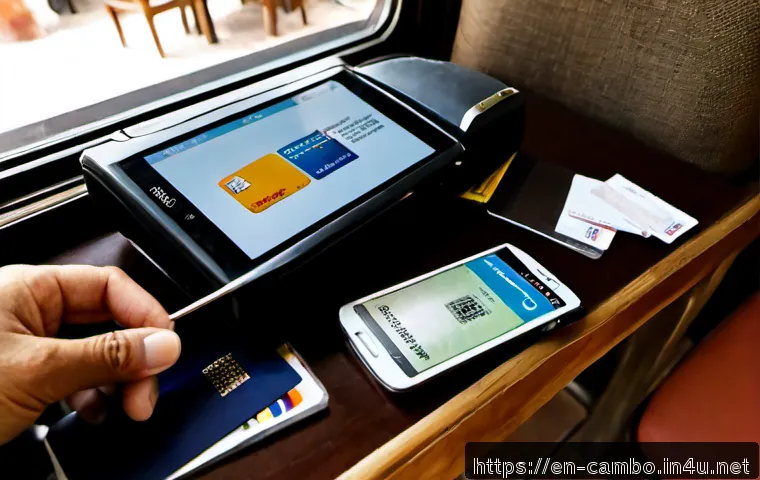
Airport counters are convenient, but an official carrier store in the city gives you more time to compare plan details before paying. Cambodia’s main mobile brands include Smart, Cellcard, and Metfone, and coverage can vary between cities, coastal areas, and rural routes.
Check that your phone is unlocked, confirm eSIM compatibility if relevant, and keep your passport available for local SIM registration. Comparing your home carrier’s roaming pass with a prepaid data plan before departure can help you avoid an unexpectedly costly option.
At a Glance
- Choose an eSIM before departure if you want mobile data immediately after landing and your phone supports eSIM.
- Choose an airport prepaid SIM if convenience matters most and you want help activating it right away.
- Choose an official city store if you want more time to compare local prepaid plans, top-up options, and package details.
| Option | Best For | Convenience | Likely Cost Level | Support |
|---|---|---|---|---|
| Airport prepaid SIM | Immediate arrival connectivity | High | Compare before buying | In-person setup help may be available |
| Official carrier store | Comparing plans and arranging top-ups | Medium | May offer better local-plan flexibility | Strong for questions and registration checks |
| Travel eSIM | Data available upon arrival | High | Compare total data and validity | Usually online rather than in-person |
| Home-carrier roaming | Keeping your usual number with minimal setup | High | Can be more expensive | Handled by your home carrier |
The Quickest Way to Get Connected After Landing
The quickest route depends on whether you need data before leaving the airport. A travel eSIM can be installed before your flight, while an airport SIM gives you a physical local card with in-person activation support. If you are not in a rush, waiting until you reach an official carrier store can make it easier to compare the available prepaid data plans.
Three Practical Choices: Airport Prepaid SIM, City-Store SIM, or Travel eSIM
An airport prepaid SIM is simple: arrive, show the required identification if requested, choose a package, and test the connection before you leave. A city-store SIM takes more time but can be useful for travelers who want to ask about data top-ups, calls, validity, and local support. A Cambodia eSIM is often the smoothest option for compatible unlocked phones, especially when maps, messaging, or ride-hailing apps are needed right after landing.
A Three-Line Answer for Short Trips, Longer Stays, and Late-Night Arrivals
For a short city break, an eSIM or airport SIM is usually the simplest choice. For a longer stay, a local prepaid SIM from an official store may offer more flexibility when you need to top up. For a late-night arrival, prepare an eSIM in advance or confirm whether airport counters will be available when you land.
What to Prepare Before Leaving Home
Check whether your phone is unlocked and whether it supports eSIM if you are considering a digital plan. Save your hotel address offline, since you may need it for your first ride or check-in. Keep your passport accessible for local SIM registration, and review your home carrier’s roaming charges so you have a meaningful comparison.
Compare Prepaid SIMs, eSIMs, and Roaming Costs
There is no single best Cambodia SIM card for every traveler. The right choice comes down to setup speed, your phone, expected data use, and whether you need a local phone number or only mobile data. Avoid deciding only by a headline price; compare the total trip cost, data allowance, validity period, and top-up access.
Convenience, Setup Time, and Support Compared
A local physical SIM may be more comfortable for travelers who prefer face-to-face assistance. A travel eSIM reduces the need to swap cards and can keep your usual SIM in place, but the selected eSIM provider may offer data only. Home-carrier roaming is familiar and requires little preparation, yet its travel pass can cost more than a local prepaid SIM or travel eSIM depending on your carrier.
How to Estimate the Right Amount of Mobile Data
Start with what you will actually do on the road. Maps, messaging, ride-hailing, restaurant searches, and hotel communication are common everyday uses. Video uploads, cloud backups, social posting, hotspot use, and remote work can consume much more data. If your travel style changes from city sightseeing to working from a hotel or sharing data with another device, choose a plan that has a clear top-up path.
When Paying More Is Worth It for Immediate Connectivity
Paying more can be reasonable when you need data at once for an airport transfer, a ride-hailing app, navigation, or contacting your accommodation. It can also be worthwhile if you arrive with children, late at night, or after a long flight. The key is not assuming that the most convenient option is automatically the best value for the entire trip.
Comparison Table: Local SIM vs. Travel eSIM vs. Roaming Pass
| Decision Point | Local Prepaid SIM | Travel eSIM | Home-Carrier Roaming Pass |
|---|---|---|---|
| Phone requirement | Unlocked phone and SIM slot | Compatible, unlocked eSIM phone | Your usual phone and carrier service |
| Activation | Usually completed after purchase | Can be arranged before departure | Depends on your home carrier |
| Calls and local number | May be available with the local plan | Check whether it is data-only | Usually retains your usual number |
| Best comparison check | Plan terms, top-ups, registration | Coverage arrangement and validity | Daily or trip-wide roaming charges |
Where to Buy and Activate a Local Plan Safely
Prepaid SIM cards are commonly sold at international arrival areas, carrier stores, and authorized mobile-phone shops. Buying through an official or authorized channel gives you a clearer place to ask questions if activation or top-up issues arise.
Airport Counters: Best for Simple, Immediate Setup
Airport counters are useful when you want one straightforward task completed before traveling onward. Ask the staff to confirm the selected package, activate the SIM where possible, and test mobile data while you are still at the counter. This matters if you need maps or transport apps immediately.
Official Carrier Stores and Authorized Retailers: Best for Plan Comparison
Official carrier stores are a practical choice if you can wait until you are in Phnom Penh, Siem Reap, or another town. You can ask about package terms, local calls, data balance checks, and where to top up. Cambodia’s major brands include Smart, Cellcard, and Metfone, but the best fit may depend on your route rather than the brand name alone.
Passport Registration, Receipt Checks, and Confirming the Package Before Paying
A passport or other accepted identification may be required to register a local SIM. Requirements can vary by sales location, so ask what is needed before the process begins. Keep your receipt, confirm the phone number if one is included, and ask how to check your remaining data and package expiry.
Why Avoiding Unverified Sellers Can Reduce Activation Problems
An unverified seller may not provide clear registration help, a receipt, or useful support if the SIM does not activate as expected. That does not mean every small shop is unsuitable, but authorized retailers and carrier stores make it easier to verify what you are buying. Always confirm the package details before handing over payment in Cambodian riel or US dollars.
Set Up Your Phone and Avoid Common Connectivity Mistakes
A good plan can still fail to feel useful if your phone is locked, the wrong SIM is selected for data, or settings are incomplete. Take a few minutes to test the essentials before you leave the store or airport area.
Check Whether Your Phone Is Unlocked and Supports eSIM

A physical local SIM generally requires an unlocked phone. For eSIM, compatibility depends on the phone model, carrier-lock status, and the provider’s coverage arrangement. Do not assume that a phone supporting eSIM in one country will work with every travel eSIM product.
Confirm Mobile Data, APN Settings, Calls, and Hotspot Access
Ask whether the plan includes data only or also supports local calls. If mobile data does not connect, check which SIM is selected for data and whether any APN settings are required. If you expect to share data with a laptop or family member, test hotspot access before relying on it.
Test Maps, Messaging, and Ride-Hailing Before Leaving the Store
Open a map, send a message, and load a ride-hailing app while you have staff nearby. These are practical tests because they reflect the services travelers often need most. If the signal appears weak indoors, step outside before making a judgment; building conditions can affect performance.
Top-Ups, Expiry Dates, and Protecting Your SIM Details
Ask how top-ups work and how to check the package validity date. Store the SIM packaging or eSIM activation details securely, especially if it contains account information. If you switch back to your home SIM, double-check that mobile data does not automatically return to an expensive roaming connection.
Choose Based on Your Cambodia Itinerary
Signal quality and data speed can vary by location, terrain, building conditions, and network. Your itinerary should influence the purchase decision more than a generic claim that one option works best everywhere.
Phnom Penh and Siem Reap City Breaks
For trips focused on Phnom Penh or Siem Reap, convenience may be the main priority. An airport SIM or pre-installed travel eSIM can cover immediate navigation and hotel communication. If you have time, an official city store can help you compare plan details and future top-up options.
Multi-City Travel, Border Crossings, and Rural Routes
For travel beyond major cities, avoid assuming coverage will be identical across every route. Ask the seller about your planned destinations, but remember that exact performance at a hotel, island, border area, or rural location still needs local confirmation. Download offline maps as a backup before longer road trips.
Remote Workers, Content Creators, and Travelers Needing Hotspot Data
If you need video meetings, uploads, cloud access, or a laptop connection, check whether the plan allows hotspot use and how top-ups work. A data-only eSIM can be convenient, but you should verify its validity and data terms before purchase. For work-critical connectivity, keep a backup option such as hotel Wi-Fi, offline files, or a second data source where practical.
Families and Groups: Separate Plans Versus One Shared Hotspot
A shared hotspot can reduce setup steps, but it also puts everyone’s connectivity on one phone and can increase data use quickly. Separate plans may be simpler when travelers split up during the day. Consider battery life, device compatibility, and whether each person needs independent access to maps and messages.
Selection Criteria and Comparison Summary
Before buying, check phone compatibility, total trip data needs, plan validity, coverage along your route, and your home carrier’s roaming cost. Choose an airport SIM when speed matters most, a carrier store when you want clearer support and local top-up guidance, or an eSIM when a compatible phone needs data immediately on arrival. Compare total trip data needs, phone compatibility, and roaming charges before selecting a plan. For current package terms, registration details, and coverage information, check the official provider or seller page before paying.
Final Thoughts
Buying a SIM card in Cambodia is usually straightforward when you prepare your phone and know what you need from the plan. A travel eSIM can reduce arrival-day stress, while a local prepaid SIM can be useful for travelers who want in-person support. Keep the decision practical: prioritize reliable access to maps, messaging, transport, and accommodation communication. Then confirm the current package details rather than relying on old promotions or traveler reports.
Useful Information to Know
Currency: Cambodia commonly uses Cambodian riel (KHR) and US dollars (USD) for everyday transactions.
Registration: Carry your passport because identification may be requested for a local SIM.
Coverage: Signal and speed can vary between Phnom Penh, Siem Reap, coastal locations, and rural areas.
Backup: Offline maps are useful even when you expect to have mobile data.
Important Notes
Current prepaid prices, data allowances, package validity, promotions, activation fees, and registration procedures can change. A specific phone’s eSIM support, local-band compatibility, dual-SIM function, and carrier-lock status must be checked directly on that device. Also confirm whether an eSIM includes a Cambodian number, voice calls, or data only before purchasing.
Frequently Asked Questions
Q1. Is it better to buy a SIM card at Phnom Penh or Siem Reap airport, or in the city?
A1. The airport is usually better if you need data immediately for transport, maps, or contacting your hotel. A city-based official carrier store may be better if you want more time to compare prepaid plans, ask about top-ups, and confirm registration details. The best choice depends on your arrival time and how urgently you need connectivity.
Q2. How much mobile data should I buy for a one-week trip to Cambodia?
A2. Base the decision on your habits rather than a fixed amount. Basic maps, messaging, ride-hailing, and browsing generally require less data than video streaming, frequent uploads, hotspot sharing, or remote work. Choose a plan with a clear top-up method if you are unsure, and check its validity period before paying.
Q3. Is a Cambodia eSIM safe and suitable for travelers who need maps, messaging, and ride-hailing apps?
A3. A travel eSIM can be a practical option for those uses if your phone is unlocked, supports eSIM, and the provider’s coverage arrangement works for your itinerary. Confirm whether the eSIM is data-only, whether it can be used for hotspot access, and how long the plan remains valid. Testing maps and messaging shortly after activation is a sensible precaution.